
You may be eating clean meals, drinking more water, taking quality supplements, and trying to make better wellness choices. But if you still feel low on energy, bloated after meals, or unpredictable with digestion, there may be one important question to ask.
Is your body actually absorbing what you are giving it?
Many people focus on what they consume. They think about vitamins, minerals, protein, fiber, superfoods, and supplements. But the body does not benefit from nutrients simply because they enter the mouth. The real value comes when those nutrients are broken down, absorbed, and used.
That is where digestion becomes more than just comfort. It becomes the gateway to energy, nourishment, and whole-body balance.
Digestion Is More Than Breaking Down Food
Digestion is often described as the process of breaking food down. That is true, but it is only part of the story.
The deeper goal of digestion is nutrient uptake. After food is broken down, nutrients need to pass through the lining of the small intestine and enter the body’s system. This is where vitamins, minerals, amino acids, and other important compounds can be put to use.
But when the digestive tract is irritated, congested, sluggish, or out of balance, that process may not work as smoothly. Even good food may not be fully utilized. Supplements may pass through without delivering the expected benefits. Meals that should feel nourishing may leave you feeling heavy, gassy, or tired.
In other words, the problem may not always be what you are eating. Sometimes, the issue is what your body is able to absorb.
Why the Small Intestine Matters So Much
The small intestine plays a major role in nutrient absorption. Its lining acts like a selective surface, helping the body take in what it needs while moving waste along.
When this lining is healthy and receptive, digestion can feel smoother and more efficient. But when the gut environment becomes imbalanced, absorption may suffer. This can affect how energized, comfortable, and regular a person feels.
A congested or irritated intestinal environment may also make digestion feel unpredictable. Some people may notice bloating, occasional discomfort, irregular bowel habits, or a sense that food is not sitting well.
Supporting the digestive foundation can help create better conditions for nutrient uptake.
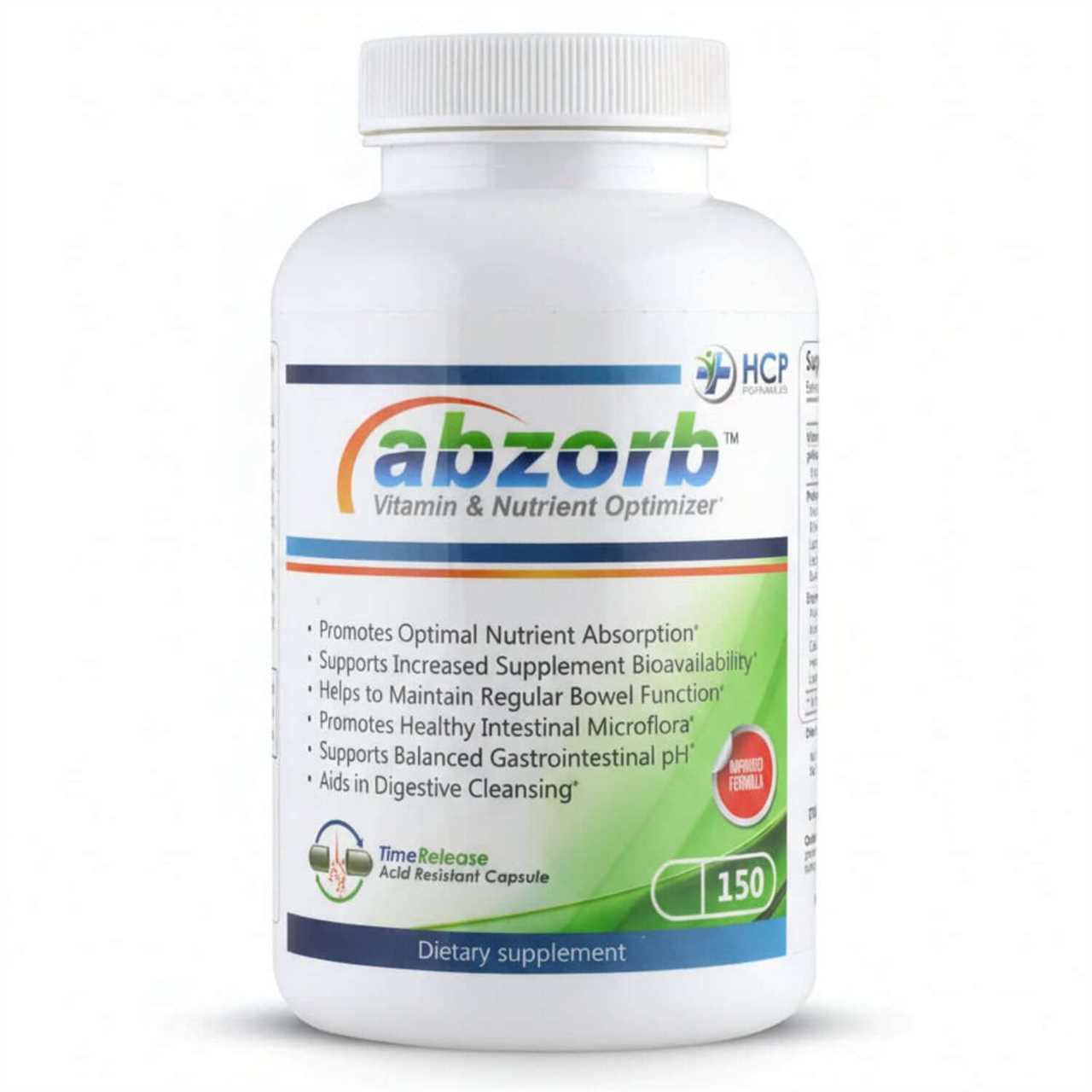
Probiotics, Digestive Enzymes and More
This professional-grade oral supplement combines high-potency digestive enzymes, a five-strain probiotic blend, essential Vitamin D3, and bioavailable magnesium. Enhanced with prebiotic inulin, Abzorb is meticulously formulated to enhance nutrient absorption, clear the small intestine microvilli, and maintain an optimal microflora balance.
Get yours now!The Three-Part Approach to Better Absorption
A well-rounded digestion support strategy often focuses on three areas: breaking food down, supporting healthy gut balance, and helping maintain a cleaner intestinal environment.
Digestive enzymes can help break food into smaller components, reducing the workload on the digestive system. When food is processed more efficiently, the body may have an easier time accessing nutrients.
Supportive microflora can help promote balance in the gut environment. A healthier digestive ecosystem may support comfort, regularity, and smoother digestion from start to finish.
Magnesium-based cleansing support may also help maintain balance in the gastrointestinal tract. When the intestinal lining feels less burdened, it may become more receptive to nutrient absorption.
Better Utilization May Be the Missing Piece
Many people keep adding more to their routine when they do not feel results. More supplements. More superfoods. More health trends.
But sometimes, the missing piece is not more input. It is better utilization.
When digestion works more harmoniously, the body may get more value from the food and nutrients already being consumed. This can support steadier energy, less bloating after meals, and more predictable bowel activity.
"When digestion works more harmoniously, the body may get more value from the food and nutrients already being consumed. "
— Martin

The goal is not to force the body. It is to remove obstacles so the body can do what it was designed to do.
Real Wellness Begins With What You Absorb
Your body needs nourishment, but nourishment only matters when it can be absorbed and used.
If you are doing many things right but still feel off, digestion may deserve a closer look. Supporting enzymes, gut balance, intestinal cleanliness, hydration, and healthy eating habits can all help create a stronger foundation.
Wellness is not only about what goes in. It is about what your body can receive, process, and use.
When absorption improves, the entire system may feel more supported from the inside out.

Frequently Asked Questions
Why can someone eat healthy but still feel low on energy?
Healthy food only helps when the body can break it down and absorb the nutrients. If digestion is sluggish, irritated, or imbalanced, nutrients may not be fully utilized. This can leave someone feeling tired, bloated, or less nourished despite eating well.
What role does the small intestine play in nutrient absorption?
The small intestine is where most nutrient absorption happens. After food is broken down, vitamins, minerals, amino acids, and other nutrients pass through the intestinal lining into the body. If that lining is irritated or congested, absorption may become less efficient.
What are signs of poor nutrient absorption?
Possible signs may include bloating after meals, low energy, irregular bowel habits, feeling heavy after eating, or not noticing benefits from healthy foods and supplements. These symptoms can have many causes, so ongoing digestive issues should be discussed with a healthcare professional.

The Ancient “Liver Protector” Your Body May Have Been
Your liver works silently every day. It helps process what you eat, supports digestion, assists metabolism, and plays an important role in how your body handles the modern world.
Read Article →
Best Foods for Adults Over 40
After 40, food starts to matter in a more noticeable way. Meals can either support the body or leave it feeling sluggish, hungry, bloated, or low in energy.
Read Article →