In the intricate architecture of the human body, where bones, skin, and hair form a complex tapestry, a quiet yet foundational mineral often goes unnoticed. While conversations frequently revolve around calcium or vitamin D, silica, a mineral commonly associated with sand and quartz, plays a pivotal, often unsung, role in maintaining the strength and resilience of our connective tissues. This essential element, abundant in nature, is increasingly recognized for its contribution to everything from the elasticity of skin to the integrity of blood vessels, prompting a deeper look into its biological significance and how it finds its way onto our plates and into our bodies.
The Body's Hidden Builder: Silica's Structural Role
Silica is not merely an inert compound; it is an active participant in the body's ongoing construction and maintenance efforts. Its primary function centers on reinforcing connective tissues—the biological glue that holds us together. This includes the robust framework of bones, the flexible network of cartilage, and the supportive structures of ligaments and tendons. Beyond these deeper tissues, silica also underpins the visible vitality of hair, skin, and nails, contributing to their strength and healthy appearance. Crucially, this mineral is integral to the processes that facilitate the body's production of collagen, the most abundant protein in the human body, responsible for maintaining tissue elasticity and overall structural integrity.
A Dietary Gap: Modern Agriculture's Unintended Consequence
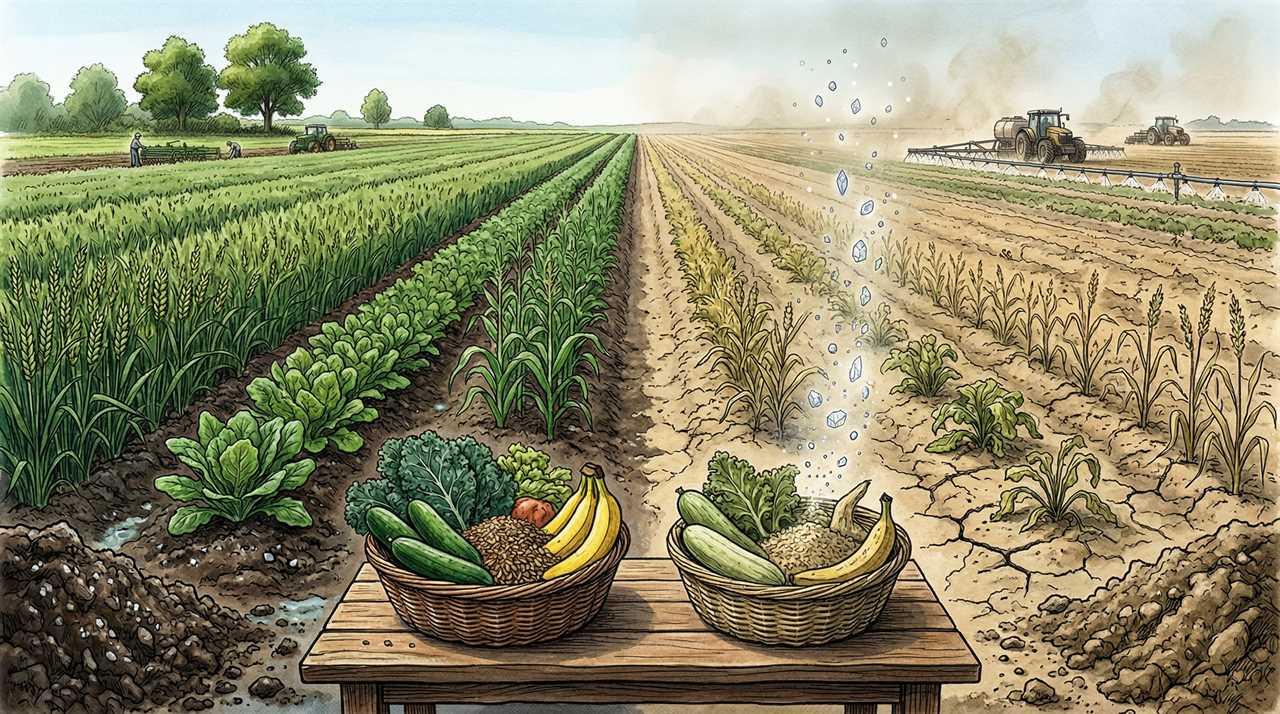
Despite its widespread presence in soil, plants, and water, many individuals may not be receiving adequate amounts of silica through their diet alone. A significant factor contributing to this potential deficiency is the evolution of modern agricultural practices. Over decades, these methods have led to a steady depletion of mineral content in the soil. Consequently, the silica that whole plant foods once reliably delivered has seen a quiet decline, creating a nutritional gap that can impact the very structures dependent on it. This shift highlights a broader challenge in nutritional science: how to ensure the body receives all the trace elements it needs when the natural sources are diminishing.
Nature's Pantry: Foods Rich in Silica
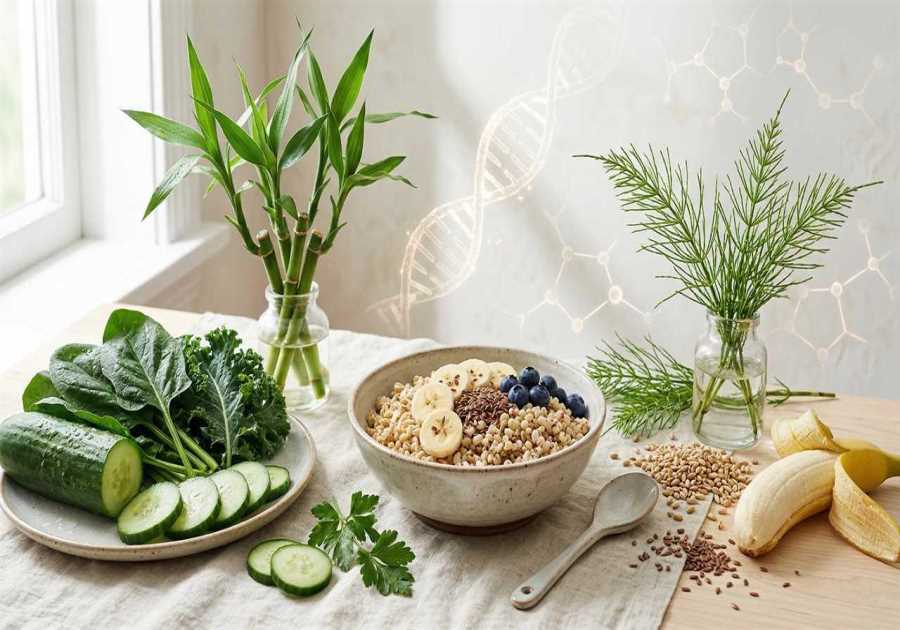
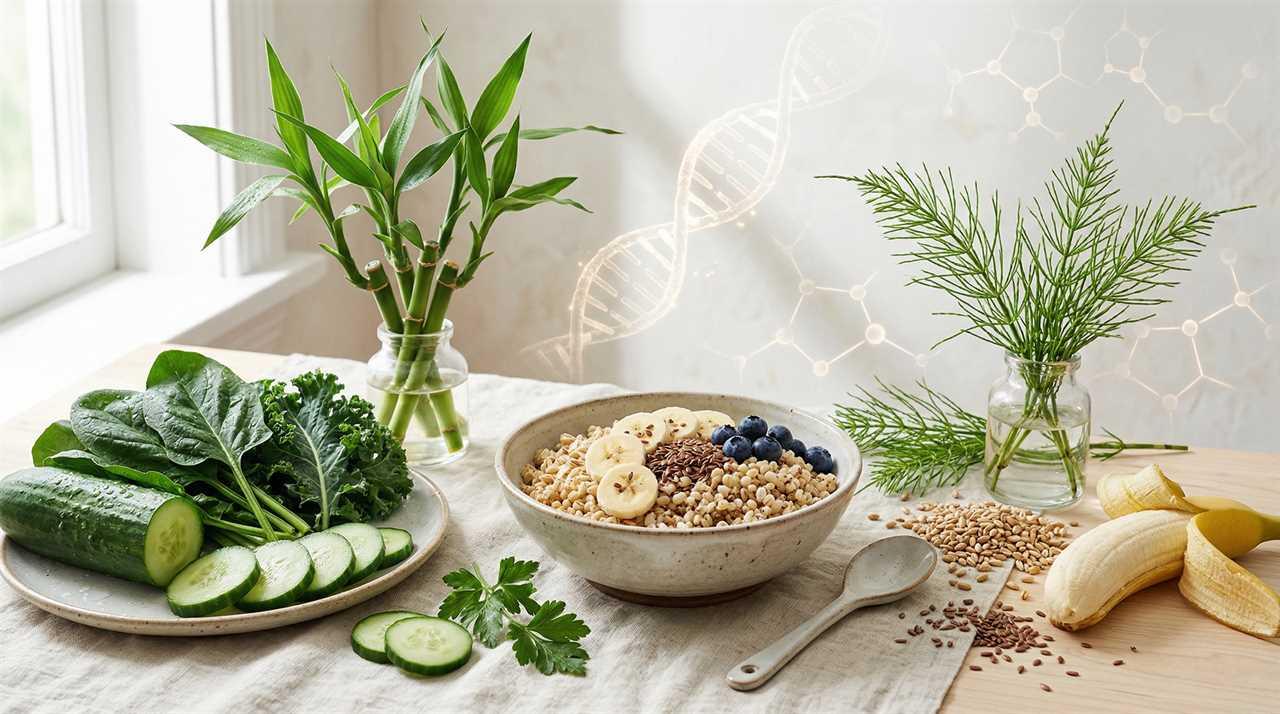
Fortunately, nature offers a variety of accessible sources for those looking to bolster their silica intake. Everyday foods can serve as reliable conduits for this vital mineral:
- Whole Grains: Oats, barley, and brown rice are particularly adept at absorbing silica directly from the soil as they grow, making them excellent staples for a mineral-rich diet.
- Leafy and Root Vegetables: Spinach, lettuce, beets, and potatoes not only provide a spectrum of other trace minerals but also carry notable amounts of silica, contributing to a broader nutritional foundation.
- Bananas: These widely available fruits are a surprisingly concentrated source of dietary silica, easily integrated into daily routines.
- Cucumbers: With a high silica content relative to their caloric density, cucumbers are an effortless addition to meals, whether raw or in salads.
- Herbal Powerhouses: Horsetail herb stands out as one of the most silica-dense plants available, with a long history of use in traditional herbal practices. Similarly, bamboo, another exceptional botanical source, provides concentrated silica extracts often favored in supplement formulations.
These plant-based options deliver silica in forms that align with whole-food nutritional approaches, ensuring the mineral is presented in a natural matrix.
Beyond Diet: The Role of Bioavailable Supplements
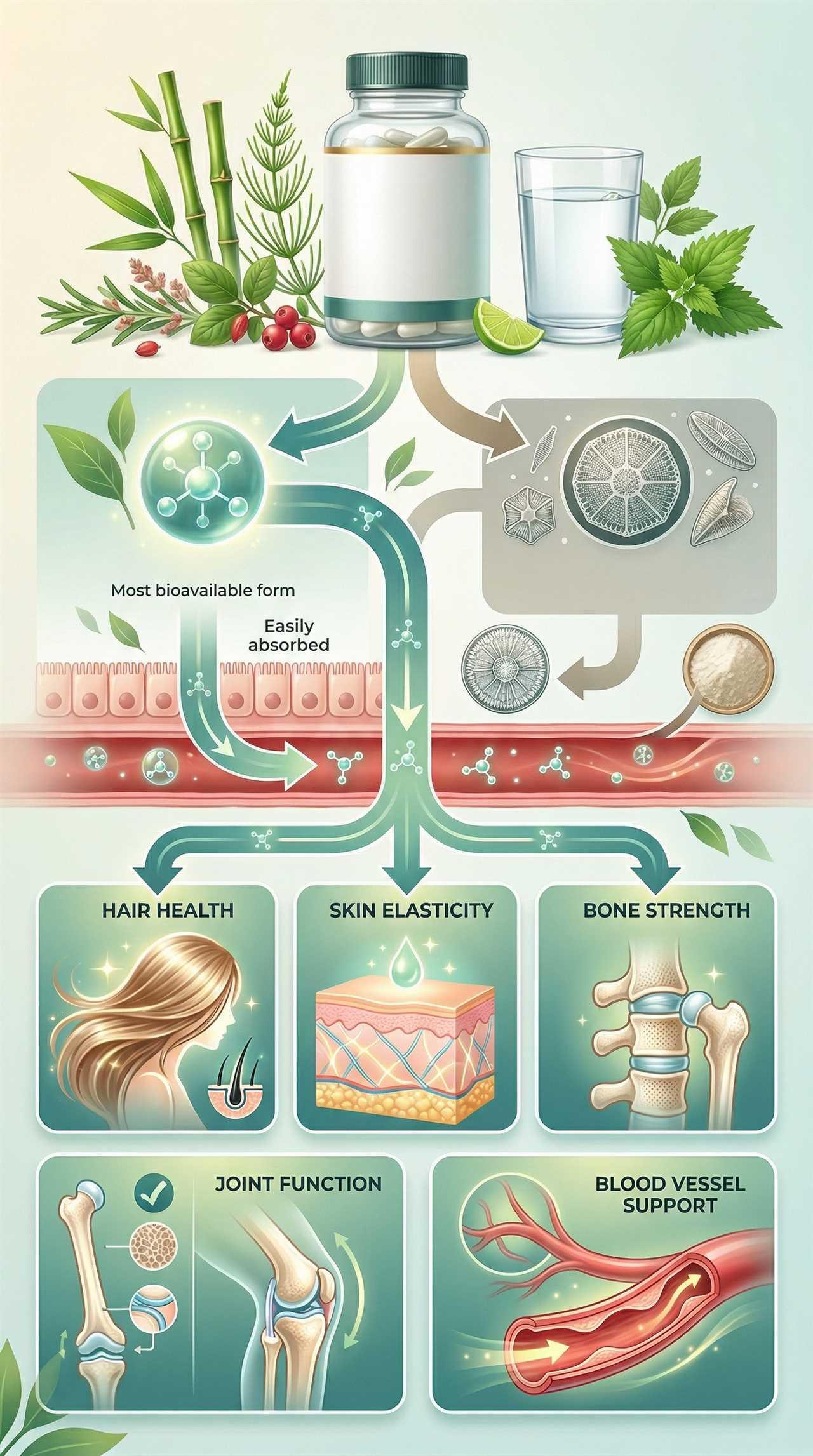
For those seeking to ensure consistent silica intake, especially given the variability of soil mineral levels, supplements offer a targeted approach. However, not all forms of silica are absorbed with equal efficiency by the body. Orthosilicic acid emerges as a key player in this discussion, recognized for its high bioavailability. This soluble form of silicon, found naturally in water and certain plants, possesses a simple structure that allows for more efficient absorption compared to other silica compounds. Its inclusion in many silica supplements aims to facilitate the body's access to the mineral, thereby supporting processes linked to connective tissues, including hair, skin, bones, and blood vessels. Another form, diatomaceous earth silica, derived from the fossilized shells of microscopic aquatic organisms, also contributes to the array of dietary silica options.
The Collagen Connection: Silica's Synergistic Action
The conversation surrounding silica frequently intertwines with collagen production, a relationship central to its structural benefits. Collagen, the body's primary structural protein, is crucial for maintaining the strength and flexibility of skin, connective tissues, bones, and blood vessels. Silica contributes to the complex biochemical processes that enable the body to build and maintain this foundational protein. By supporting collagen formation, silica indirectly enhances the resilience and integrity of these vital tissues, making it a valuable nutrient for those focused on maintaining youthful skin elasticity, robust joint mobility, and strong skeletal structures.
A Trace Mineral with Broad Reach
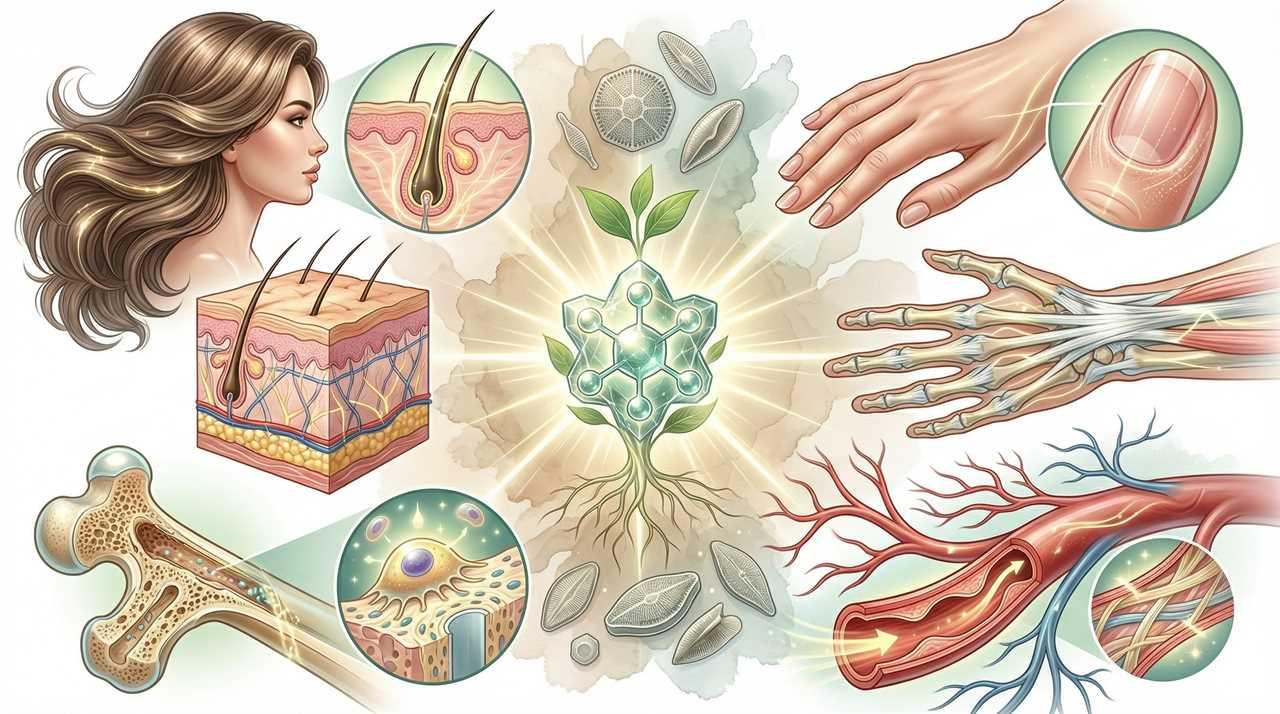
While regulatory agencies deem food-grade silicon dioxide, a common form of silica, safe at levels used in dietary products, silica itself is often described as a trace mineral rather than an "essential" nutrient in the same category as calcium or iron. Nevertheless, a growing body of research underscores its significant contributions to structural processes and mineral balance within the body. From reinforcing the early stages of bone formation to supporting the connective tissue that forms ligaments and tendons, silica's reach is broad. As awareness grows about the impact of soil depletion on nutrient content, recognizing the quiet, heavy lifting performed by minerals like silica becomes increasingly important in the pursuit of lasting health and vitality.
Frequently Asked Questions
1. What does silica do in the body?
Silica helps support connective tissues like bones, cartilage, ligaments, tendons, skin, hair, and nails. It also plays a role in collagen production, which helps maintain strength, elasticity, and overall structural integrity throughout the body.
2. Why might people not get enough silica from food today?
Modern agricultural practices have depleted mineral levels in soil over time. As a result, many plant foods may contain less silica than they once did, which can create a nutritional gap in modern diets.
3. What foods are naturally rich in silica?
Good dietary sources of silica include whole grains like oats and barley, leafy greens, root vegetables, bananas, cucumbers, horsetail herb, and bamboo. These foods provide silica in a natural, whole-food form.
4. What form of silica is easiest for the body to absorb?
Orthosilicic acid is considered one of the most bioavailable forms of silica. Its simple, soluble structure allows the body to absorb it more efficiently than many other silica compounds used in supplements.
5. How is silica connected to collagen?
Silica supports the body’s collagen-building processes. Since collagen is essential for skin, bones, joints, blood vessels, and connective tissues, silica helps promote strength, flexibility, and healthy structural support throughout the body.