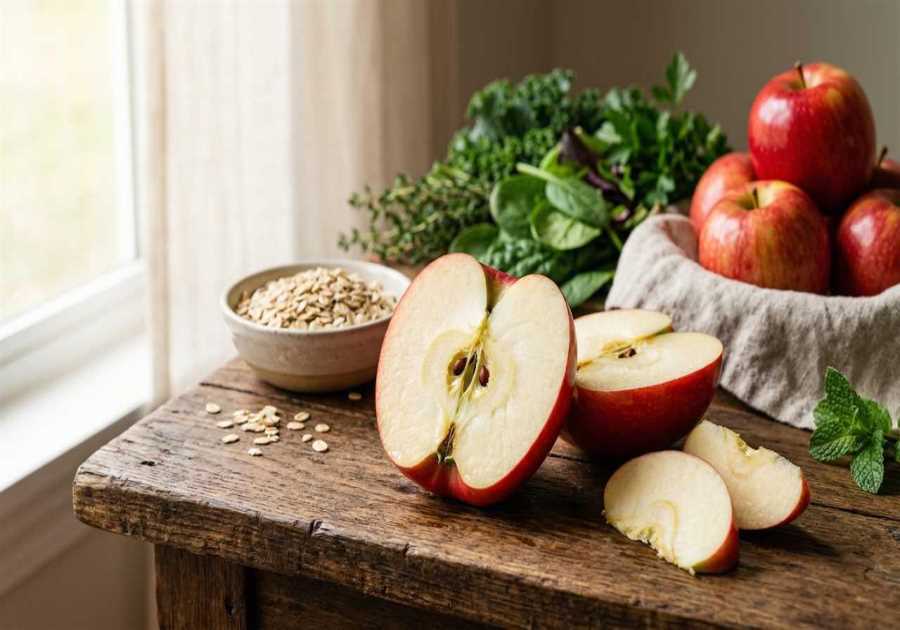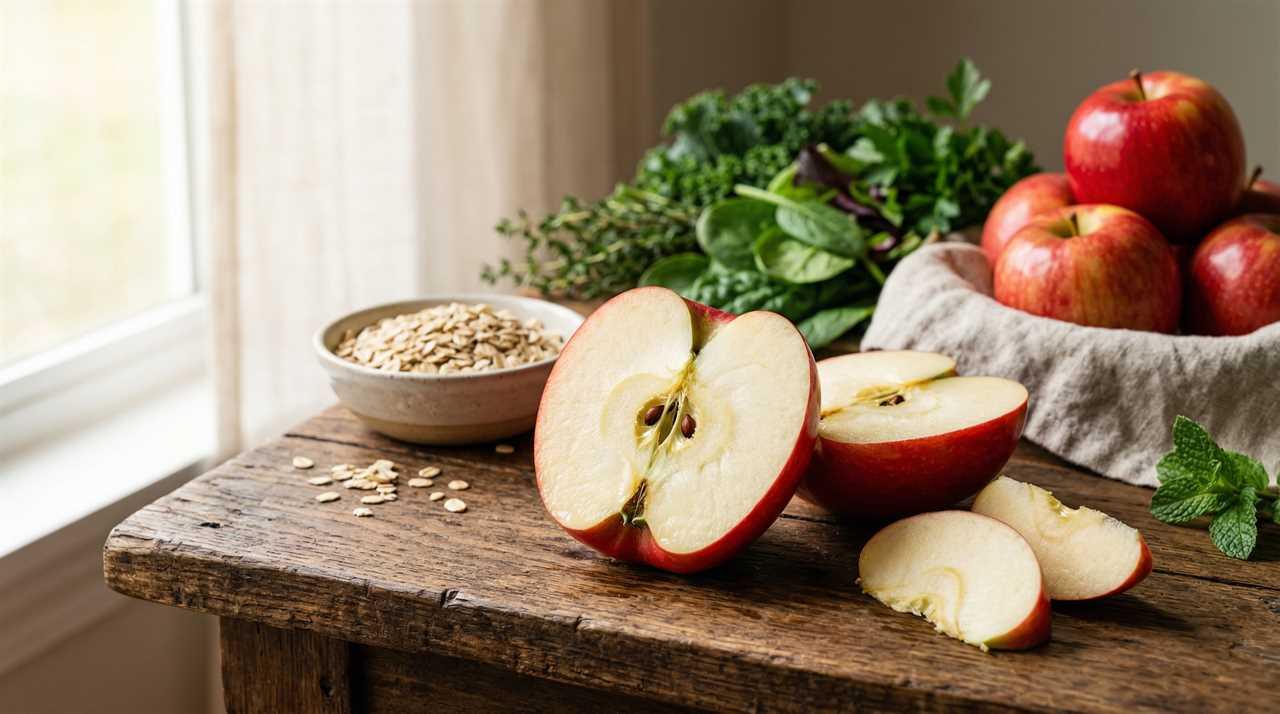
In a world increasingly reliant on synthetic solutions, the humble apple stands as a testament to nature's enduring wisdom, offering a potent blend of fiber and nutrients often overlooked. Far from being just a crisp snack, this everyday fruit delivers a sophisticated package of dietary fiber, working in concert with other compounds to support digestion, stabilize energy, and foster overall well-being. It's a story of biological synergy, where a simple whole food outperforms isolated supplements, reminding us that sometimes, the oldest solutions are the most effective.
Beyond the Supplement Aisle: Apple's Natural Advantage
Before the advent of dietary supplements, whole foods like apples were the primary source of essential nutrients, including fiber. A medium apple, typically weighing around 180 grams, contains approximately 4.5 grams of dietary fiber. This significant contribution helps individuals meet daily recommendations, which generally stand at about 25 grams for women and 38 grams for men. This natural fiber plays a crucial role in digestive health, promoting a balanced gut environment and moderating the absorption of natural sugars. The result is a steadier release of energy, a stark contrast to the rapid spikes and subsequent crashes often associated with low-fiber, processed meals.
The Dual Nature of Apple Fiber: Soluble and Insoluble
The apple's fiber prowess stems from its unique composition of both soluble and insoluble fibers, each performing distinct yet complementary roles within the body. Soluble fiber, notably pectin—a key component concentrated in the apple's flesh—dissolves in water to form a gel-like substance during digestion. This gel acts as a natural buffer, slowing the transit of carbohydrates and sugars, which in turn helps stabilize blood sugar levels and sustain energy. Pectin also serves as a vital nutrient for beneficial gut bacteria, contributing to a thriving microbiome linked to immune function, mood, and metabolic resilience.
Insoluble fiber, on the other hand, does not dissolve in water. Instead, it adds bulk to the digestive system, facilitating the smooth movement of food through the intestines. This promotes regular bowel movements and overall digestive regularity. Together, these two fiber types ensure a comprehensive approach to gut health, making the whole apple a remarkably efficient, nature-made tool for daily fiber intake, far surpassing the benefits of isolated supplements.
The Unpeeled Truth: Why the Skin Matters
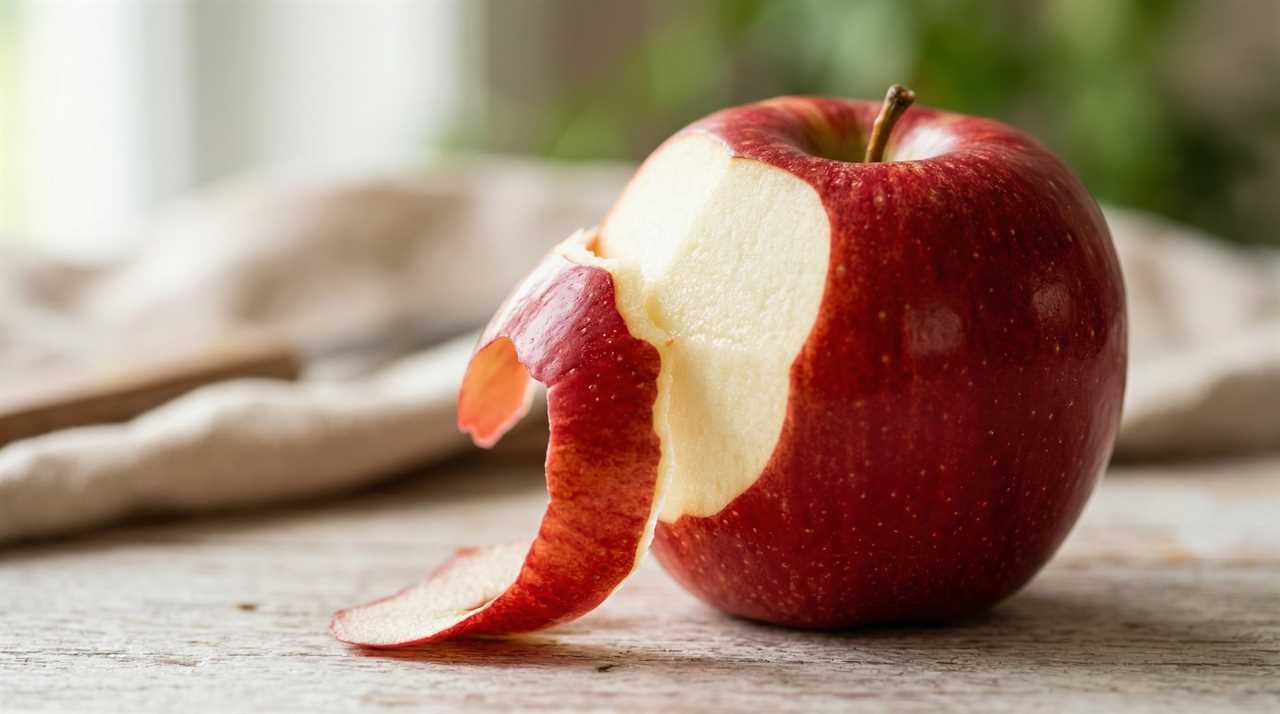
Many consumers habitually peel their apples, inadvertently discarding a substantial portion of the fruit's nutritional value. The apple's skin is a treasure trove of insoluble fiber, containing a significantly higher concentration than the inner flesh. This outer layer also harbors beneficial plant compounds that collaborate with fiber to support digestive balance. Removing the peel diminishes the total fiber intake and compromises the fruit's natural nutritional profile. Opting for a whole apple, skin intact, ensures access to the full spectrum of both soluble and insoluble fibers, along with antioxidants and other plant nutrients, all working synergistically to support the body.
Apples in the Daily Diet: Versatility and Sustained Health
Integrating apples into one's daily eating habits is both simple and effective. Sliced apples, for instance, pair harmoniously with almond or walnut butter, introducing healthy fats and proteins that further slow digestion and prolong satiety between meals. Chopped apples can naturally sweeten oatmeal or overnight oats, offering a fiber-rich alternative to processed sugars. Diced, they lend a delightful crunch and mild sweetness to green salads, complementing ingredients like arugula and walnuts. For a comforting option, baked apple slices with cinnamon and a drizzle of honey retain their fiber content while providing a satisfying, low-calorie snack.
While apples are a commendable source of fiber, providing roughly 4 grams per medium fruit, other fruits offer varying amounts. Raspberries, for example, boast 8 grams per cup, while a medium pear contains 5.5 grams, and a banana offers 3 grams. However, apples distinguish themselves through their accessibility, extended shelf life, and remarkable versatility. They travel well, remain fresh longer than many other high-fiber fruits, and can be enjoyed raw, baked, or dried, making them a consistently reliable choice for building sustainable nutritional habits.
The Broader Impact: Beyond Digestion

The benefits of apple fiber extend beyond mere digestion, contributing to overall metabolic function and steady energy levels. The combination of soluble fiber, insoluble fiber, and natural plant compounds ensures that the body processes food gradually, preventing the sharp energy fluctuations that can disrupt daily routines. For those seeking to deepen this nutritional foundation, products like apple fiber supplements, crafted from minimally processed, whole dried apple pulp including the nutrient-dense peels, offer a concentrated way to harness these benefits, aligning with a philosophy that champions nature-made nutrition in its most bioavailable form.
From the crisp bite of a fresh fruit to its role in maintaining a balanced gut and stable energy, the apple remains a powerful, accessible ally in the pursuit of lasting health. Its fiber content, particularly the unique blend of soluble pectin and insoluble components, underscores its enduring value in a well-rounded diet, proving that true vitality often lies in the simple, whole foods nature provides.
Frequently Asked Questions
1. Why is an apple considered a good source of fiber? A medium apple contains about 4.5 grams of dietary fiber, making it a practical everyday choice for supporting digestive health. Its natural fiber helps regulate bowel movements, slows sugar absorption, and supports steady energy. Apples also offer this benefit in a convenient, affordable, and easy-to-enjoy whole food form.
2. What types of fiber are found in apples? Apples contain both soluble and insoluble fiber, which work together to support digestion. Soluble fiber, especially pectin, forms a gel-like substance that helps stabilize blood sugar and feed beneficial gut bacteria. Insoluble fiber adds bulk to stool, helping food move smoothly through the digestive tract each day.
3. Why should you eat apples with the skin on? Apple skin contains a large portion of the fruit’s insoluble fiber, along with beneficial plant compounds. Peeling an apple removes much of this nutritional value. Eating the whole apple with the skin intact helps maximize fiber intake, supports digestive balance, and preserves the fruit’s full natural nutritional profile.
4. How can apples help support steady energy levels? The fiber in apples slows the digestion of carbohydrates and natural sugars, which helps prevent sudden spikes and crashes in energy. This slower release supports more balanced blood sugar levels throughout the day. Because of this, apples can be a smart snack choice for sustained energy and fullness.
5. What are some easy ways to add apples to your daily diet? Apples are easy to include in meals and snacks. They can be sliced with nut butter, added to oatmeal, tossed into salads, or baked with cinnamon. Their long shelf life, portability, and versatility make them one of the simplest fruits to use regularly for boosting fiber intake naturally.