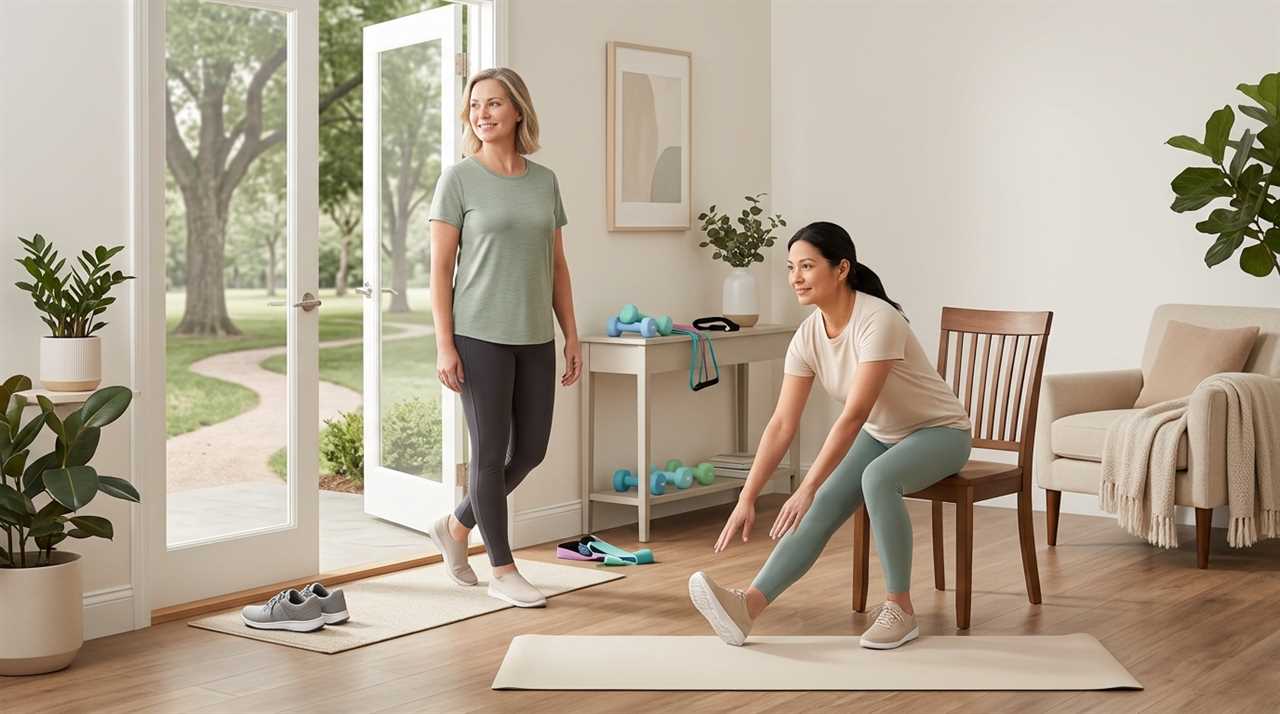
Starting exercise again after years of inactivity can feel overwhelming. Many adults know they need to move more, but the gap between knowing and actually starting can feel surprisingly wide. The body may feel stiff, heavy, or out of shape. Motivation may come and go. Past failed attempts may create doubt. Some adults worry about soreness, injury, or embarrassment. Others simply do not know where to begin.
The good news is that restarting exercise does not require a dramatic transformation on day one. It requires a practical beginning. Adults over 40 often do better when they ease back into movement instead of trying to prove something with intense workouts. The body responds well to consistency, even when the starting point is small.
If you want the bigger picture behind building strength, mobility, and long-term consistency, start with this guide to fitness over 40 and then use the steps below to restart in a more realistic way.
Start Smaller Than You Think You Should
One of the biggest reasons people quit early is that they begin with too much. They start with long workouts, daily training, or routines that leave them exhausted and discouraged. A better strategy is to begin with less than you think you need and focus on proving that you can stay consistent.
That might mean walking for 10 minutes, doing a few bodyweight movements at home, or stretching for a short period in the morning. The goal is to rebuild the habit of movement, not to win a fitness contest in the first week.
Choose Low-Pressure Forms of Exercise
When restarting after inactivity, it helps to choose exercise that feels approachable. Walking, light cycling, swimming, chair exercises, beginner strength work, and simple mobility routines can all be effective. Low-pressure movement reduces fear and makes it easier to stick with the plan.
Focus on Frequency Before Intensity
At the beginning, it matters more to move regularly than to exercise hard. A person who walks four times a week is building a much stronger foundation than someone who does one brutal workout and then needs a week to recover. Frequency helps restore confidence and makes exercise feel normal again.
Expect Some Discomfort, But Not Destruction
It is normal to feel a little sore or challenged when starting again. But there is a difference between healthy effort and overdoing it. If exercise leaves you exhausted, unable to move well, or dreading the next session, it is probably too much.
Make It Easy to Start
The easier it is to begin, the more likely it is to happen. Keep workout clothes visible. Schedule movement into the day. Start with exercises that require little setup. Remove as many obstacles as possible. Consistency often improves when the routine feels convenient instead of complicated.
Track Wins That Matter
Not every victory will show up on the scale or in the mirror. Better energy, less stiffness, improved mood, better sleep, and simply sticking to the routine are all signs of progress. These wins matter because they reinforce the habit.
Keep the First Routine Simple
When you restart exercise, you do not need a perfect plan. You need a basic one. A short walk several times a week, a little light strength work, and some stretching can be enough to build momentum. For more ideas on what to do next, read best beginner workouts for adults over 40.
Final Thoughts
Starting exercise again after years of inactivity does not require perfection. It requires a realistic plan, a manageable pace, and enough patience to let progress build gradually. Small workouts still count. Short walks still count. Gentle strength work still counts.
The goal is not to catch up to where you used to be overnight. The goal is to create enough momentum that movement becomes part of your life again.
FAQ
How do I start exercising again after being inactive for years?
Start with small, manageable movement such as short walks, light strength work, or stretching, and focus on consistency before intensity.
What is the best first exercise after a long break?
Walking is often one of the best first exercises because it is low-pressure, accessible, and easy to build into a routine.
How hard should I exercise when starting again?
Begin at a level that feels challenging but manageable. A little soreness is normal, but exhaustion and extreme pain usually mean you are doing too much.
How long does it take to rebuild fitness after inactivity?
It varies, but most people begin noticing small improvements in energy, movement, and confidence when they stay consistent for several weeks.