After 60, fitness should support real life. Traditional workouts can still be helpful, but functional mobility may matter even more for healthy aging. Functional mobility means moving well during everyday activities like standing up from a chair, reaching into a cabinet, climbing stairs, bending to pick something up, or carrying groceries.
In 2026, more older adults are focusing on movement that protects independence. The goal is not always to lift heavier, run faster, or follow intense routines. The goal is to keep the body flexible, stable, strong, and confident enough for daily life.
Movement That Supports Daily Independence
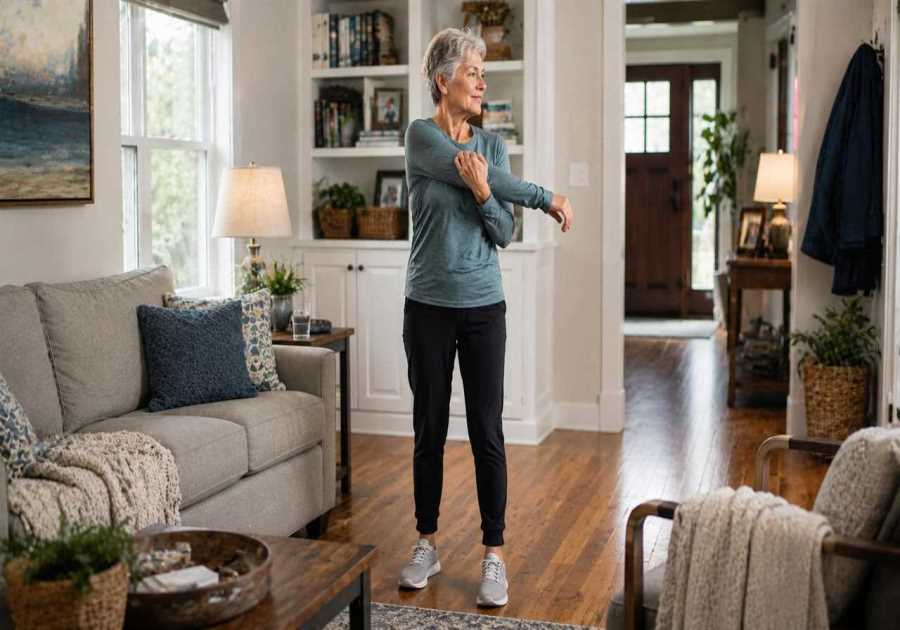
Functional mobility helps adults over 60 do normal tasks with less strain. Simple movements like squatting to sit, turning the torso, stepping sideways, or reaching overhead can keep joints and muscles working together.
These movements may look basic, but they are important. When the body practices them often, daily activities can feel easier and safer.

Reclaim your digestive vitality with SBO Probiotics Consortia from Body Biotics, a high-performance formula designed to restore the ancestral balance of your internal ecosystem.
Strength, Balance, and Flexibility Together
Traditional workouts often focus on one goal, such as cardio or strength. Functional mobility combines several skills at once. It supports balance, coordination, posture, joint range of motion, and muscle control.
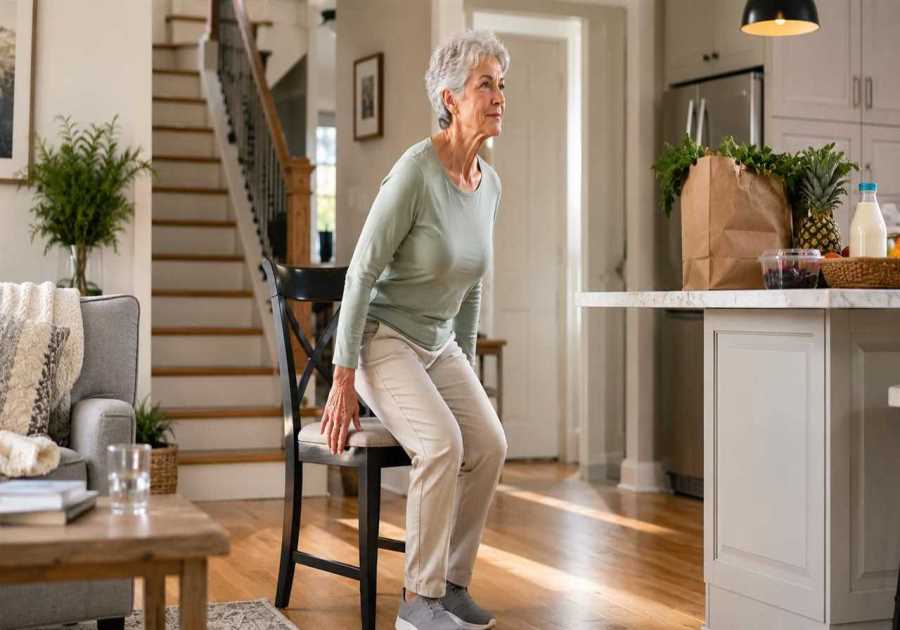
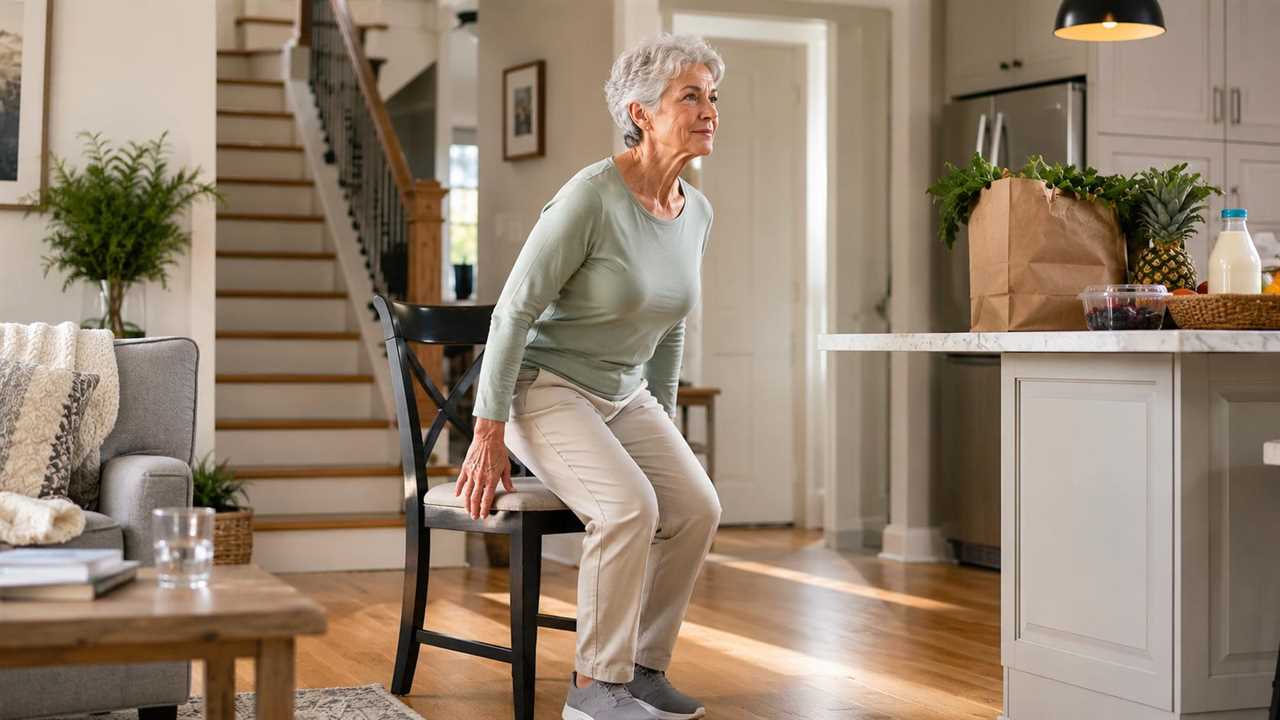
For example, getting out of a chair uses leg strength, core stability, balance, and coordination. Practicing this movement can be more useful than doing exercises that do not connect to daily needs.
Simple Habits Make Mobility Easier
Functional mobility does not require complicated equipment. Adults over 60 can practice gentle chair stands, slow step-ups, wall pushups, light carrying, shoulder circles, and controlled reaching movements.
The key is consistency and safety. Movements should feel controlled, not painful. Over time, functional mobility can help older adults move with more freedom, lower daily frustration, and maintain the independence that makes aging feel stronger and more enjoyable.
FAQs
What is functional mobility for older adults?
Functional mobility means the ability to move safely and comfortably during daily activities. This includes standing, walking, bending, reaching, turning, lifting light objects, and climbing stairs. For older adults, functional mobility helps protect independence and makes everyday tasks feel easier, safer, and more natural.
Is functional mobility better than traditional exercise after 60?
Functional mobility is not always better, but it may be more practical for daily life. Traditional exercise can support heart health and strength, while functional mobility helps apply movement to real tasks. A good routine may include both, depending on health, ability, and personal goals.
How can adults over 60 improve functional mobility?
Adults over 60 can improve functional mobility with simple daily movements like chair stands, gentle stretching, step-ups, reaching exercises, walking, and balance practice. Start slowly and use support when needed. Anyone with pain, dizziness, or medical concerns should ask a healthcare provider before beginning new movements.