Joint health becomes more important after 50 because everyday movement can start to feel different. Knees may feel stiff in the morning. Hips may feel tight after sitting. Shoulders may complain after reaching overhead. While aging can bring natural changes, small daily habits can help protect mobility and comfort.
In 2026, healthy aging is shifting toward simple routines people can actually maintain. Joint care does not have to mean intense workouts, complicated stretches, or expensive equipment. It often starts with low-effort habits that keep the body moving gently and consistently.
Move Before Stiffness Builds
Joints usually feel better when they move regularly. Sitting too long can make stiffness worse, especially in the hips, knees, back, and neck. Adults over 50 can protect joint health by adding short movement breaks during the day.
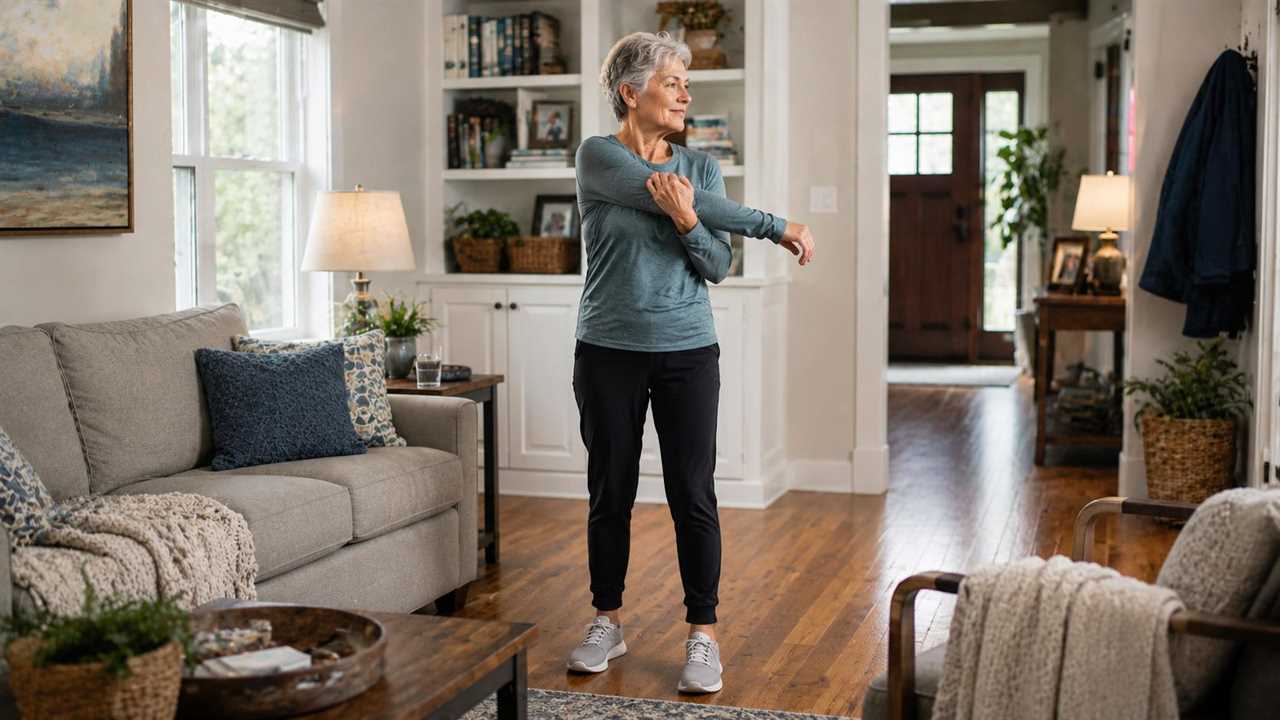
This can be as simple as standing up every hour, walking around the room, rolling the shoulders, or gently bending and straightening the knees. Small movement keeps joints lubricated and muscles active.
Support Joints With Better Daily Choices
Joint comfort is affected by more than exercise. Supportive shoes, good posture, hydration, and balanced meals can all play a role. Carrying items evenly, avoiding awkward twisting, and using proper form when lifting can also reduce strain.
Even simple changes, like keeping frequently used items at easy reach, can protect shoulders, backs, and knees from unnecessary stress.
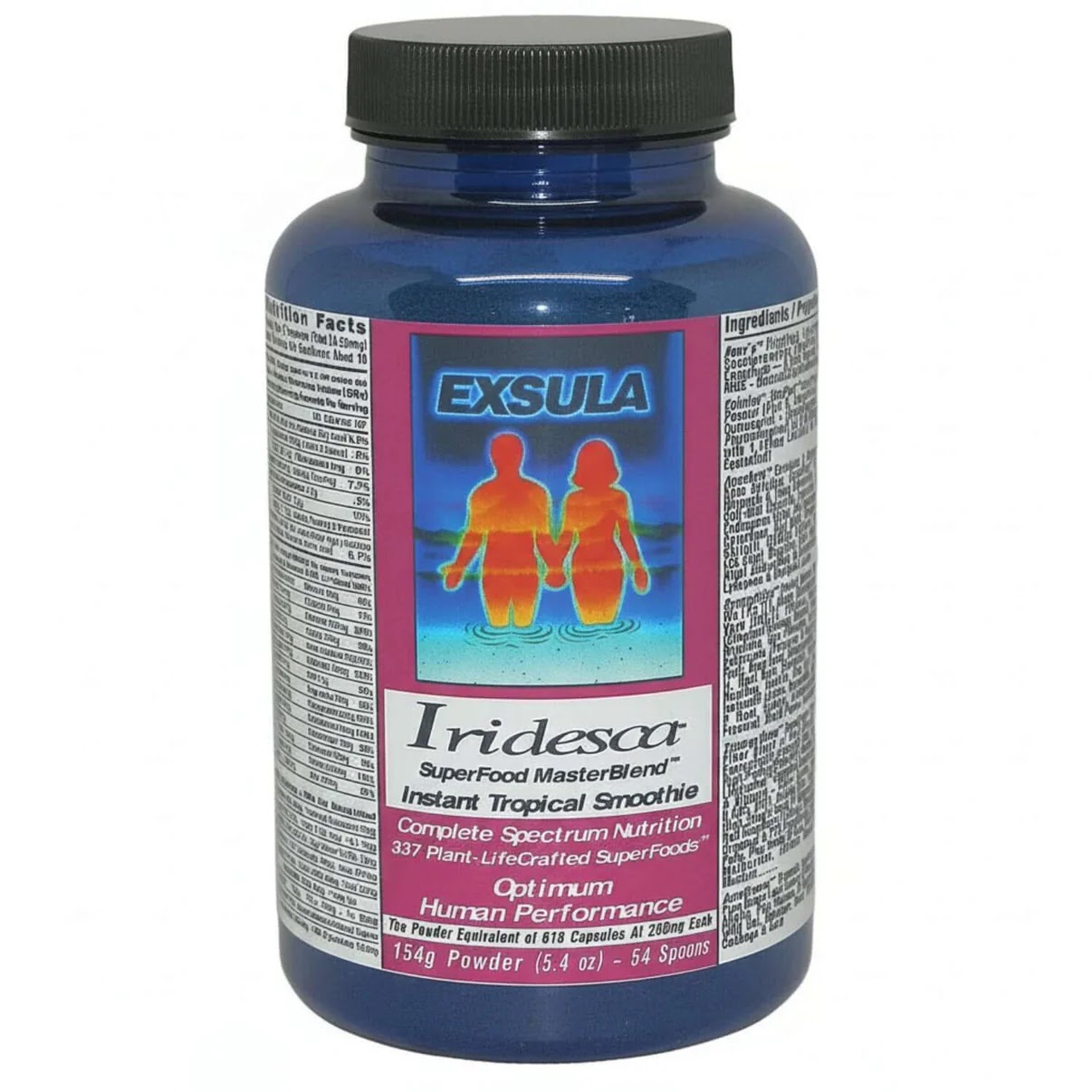
Complete Superfood Exsula Superfoods Iridesca is a professional grade, world class nutritional foundation designed for those who demand total vitality. As a complete superfood blend, Iridesca combines wild crafted botanicals, organic green juices, and rare marine minerals in an enzyme rich, bioavailable formula. This sophisticated complex is engineered for high absorption, ensuring your body utilizes every nutrient to support peak performance and sustained physical stamina. By delivering a diverse spectrum of antioxidants, probiotics, and adaptogens, it helps fortify the immune system and sharpen mental clarity. Experience a renewed sense of vigor and systemic balance with the most comprehensive whole food formula available for daily life energy.
Build Strength Without Overdoing It
Strong muscles help support the joints. Adults over 50 can benefit from gentle strength habits like chair stands, wall pushups, light resistance bands, or slow stair climbing.
The goal is not to push through pain. The goal is to build steady support around the joints. With consistent low-effort habits, older adults can move more comfortably, stay independent, and enjoy daily life with less stiffness and more confidence.
FAQs
What daily habits help protect joint health after 50?
Helpful habits include short walks, gentle stretching, regular movement breaks, wearing supportive shoes, staying hydrated, and using good posture. Strengthening the muscles around the joints can also help. Small daily actions are often easier to maintain than intense routines and can support better comfort over time.
Why do joints feel stiffer after sitting too long?
Joints can feel stiffer after sitting because movement helps circulate joint fluid and keeps nearby muscles active. Long periods of stillness may make the hips, knees, back, and neck feel tight. Standing, walking, or stretching briefly during the day can help reduce this stiffness.
Should adults over 50 avoid exercise if their joints hurt?
Not always. Gentle movement may help some joint stiffness, but sharp pain, swelling, or worsening discomfort should not be ignored. Adults over 50 should choose low-impact activities and avoid pushing through pain. A healthcare provider can help guide safe movement when joint problems continue.