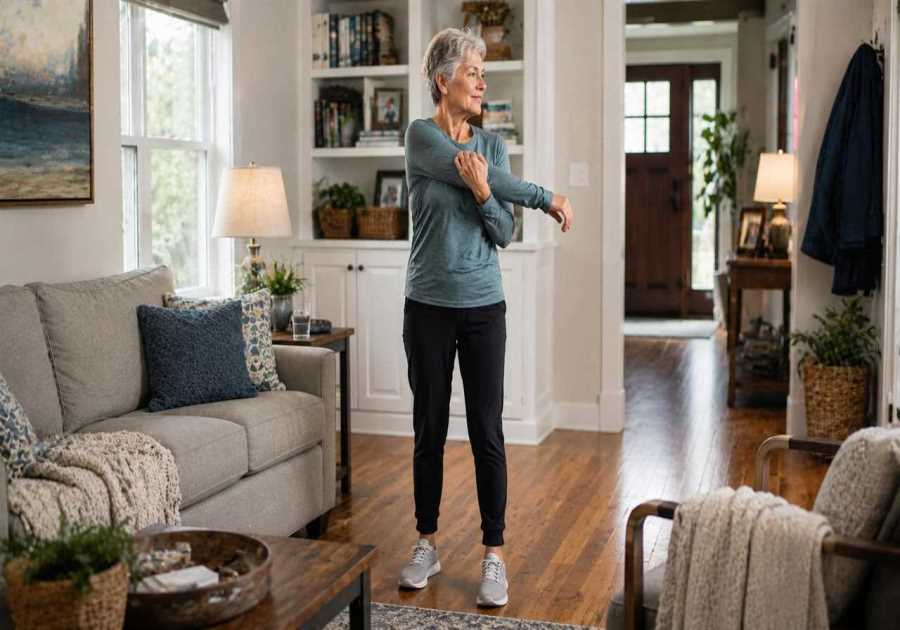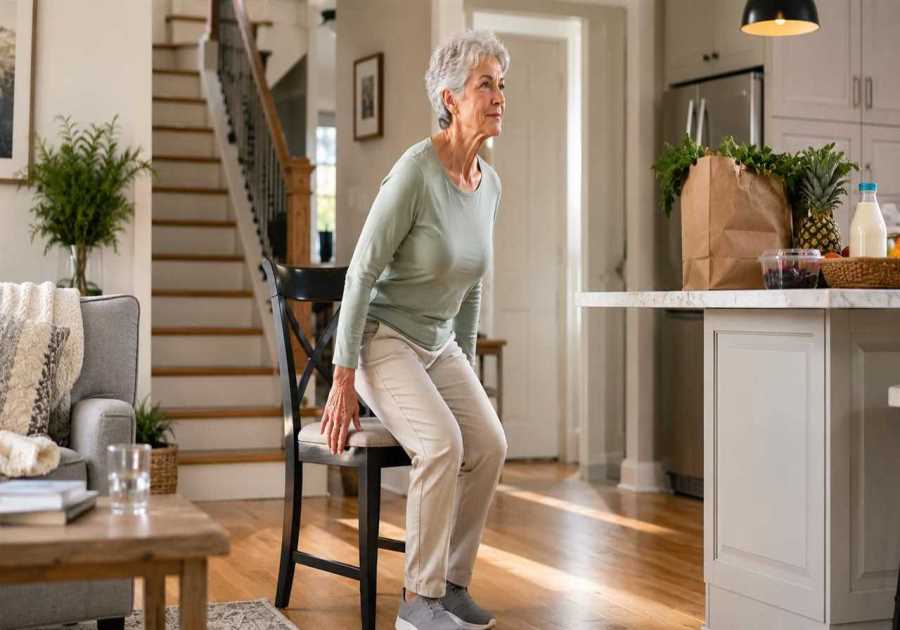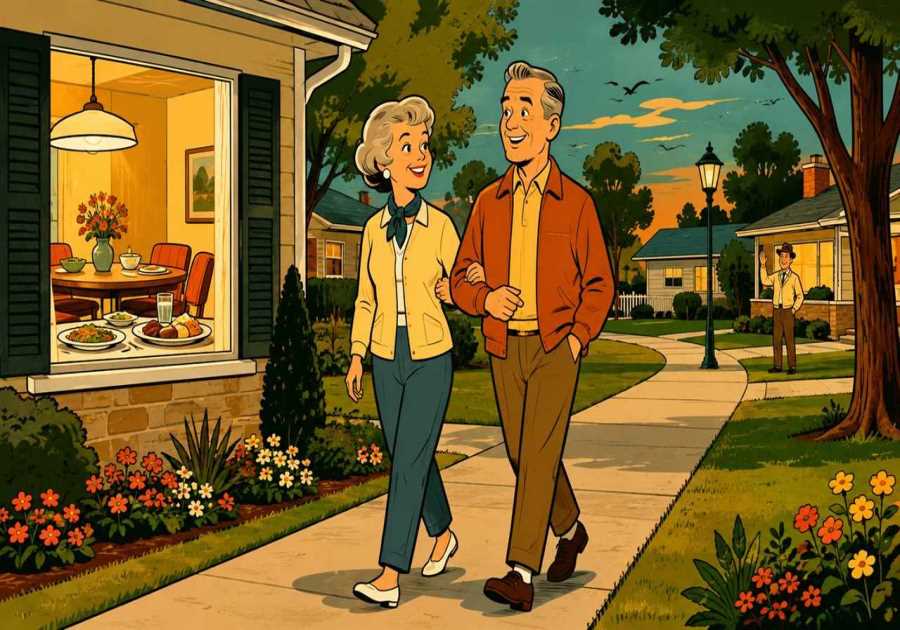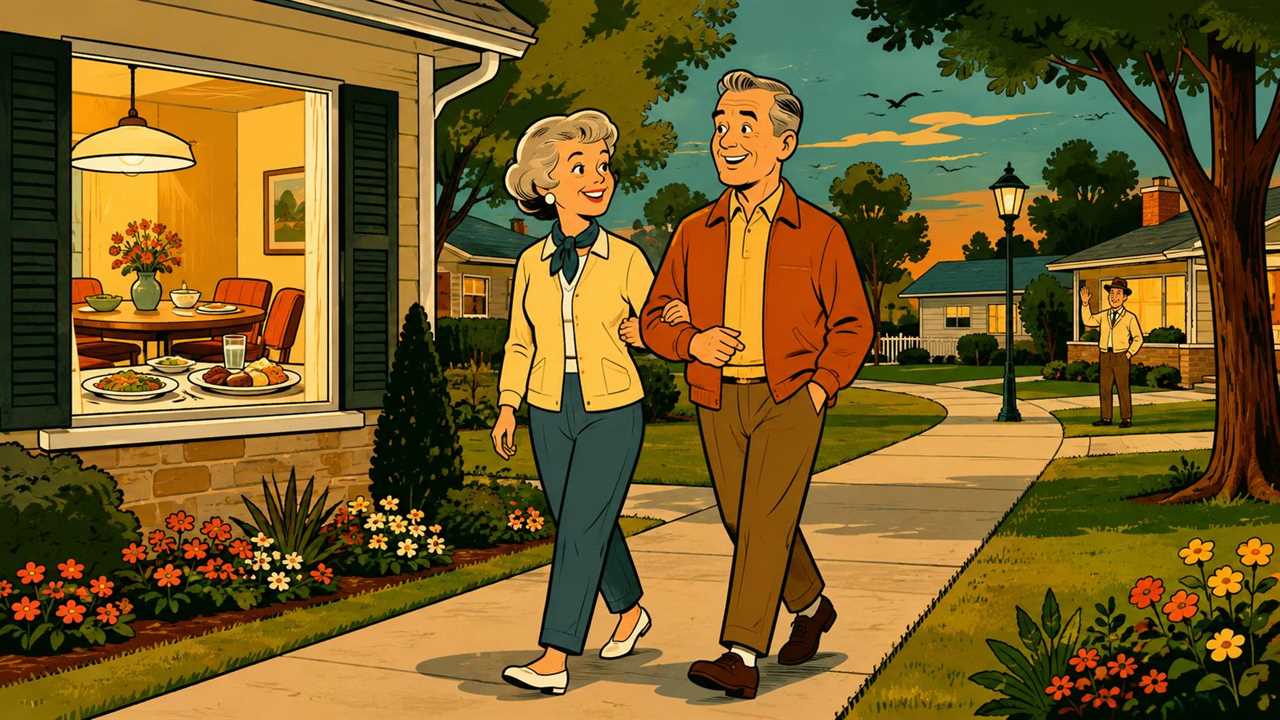
Healthy aging does not always require complicated routines, expensive equipment, or intense workouts. In 2026, one of the simplest habits gaining attention is post-meal walking. This means taking a short, easy walk after breakfast, lunch, or dinner to help the body process food, support energy, and stay active throughout the day.
For adults over 50, this habit can be especially helpful because it fits naturally into daily life. Instead of setting aside a long workout session, a person can walk for 10 to 15 minutes after eating. Over time, these small walks can support better movement, digestion, balance, and overall wellness.
Supports Blood Sugar Balance
After eating, blood sugar naturally rises as the body breaks down food. A short walk after meals can help the muscles use some of that glucose for energy. This may support steadier energy and help reduce the sluggish feeling that sometimes comes after a heavy meal.
The walk does not need to be fast. A gentle pace around the neighborhood, hallway, yard, or even inside the house can still be useful.
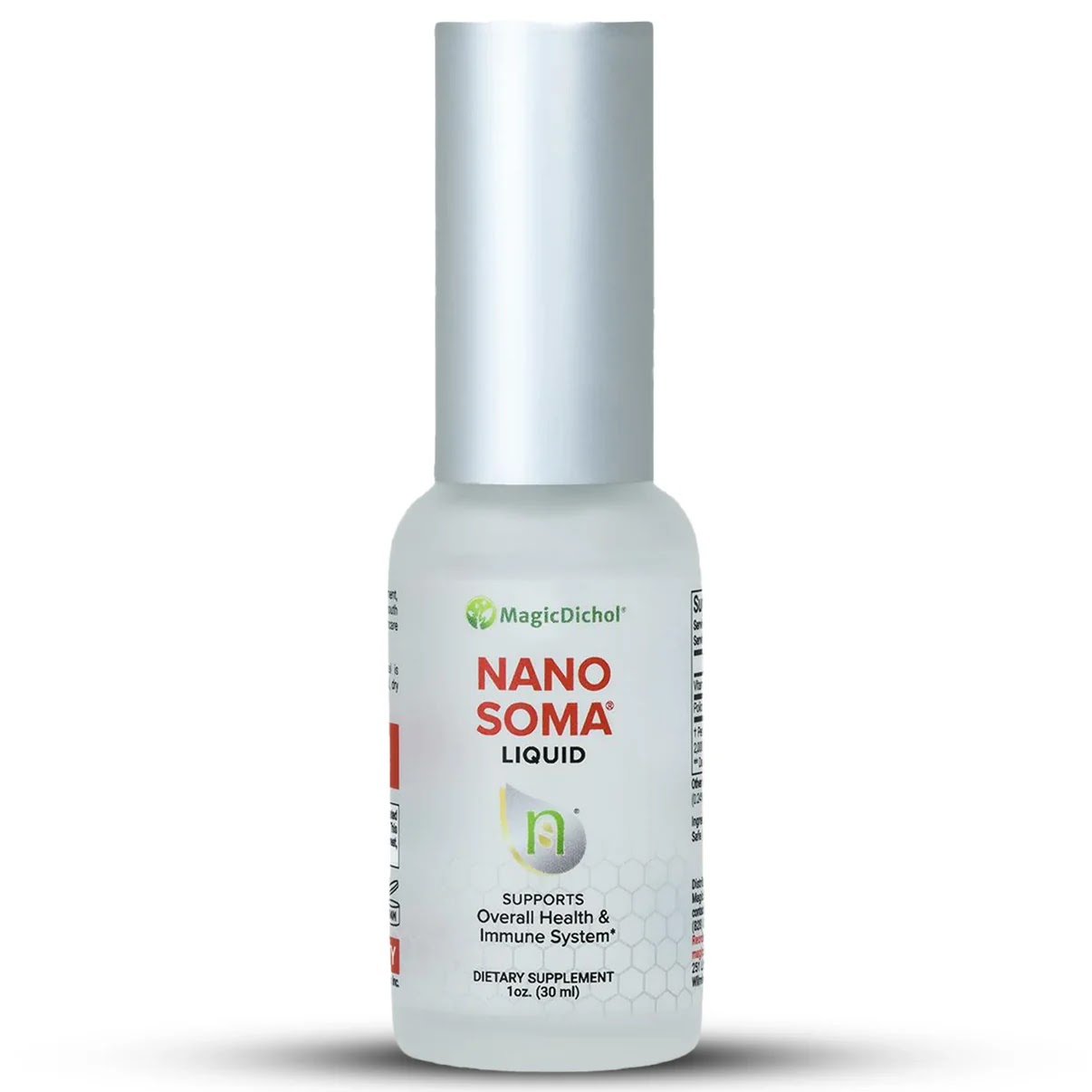
By supplying deep nutritional support to your DNA pathways, Nano Soma helps clear the cellular distortions caused by environmental toxins and daily stressors, allowing your cells to replicate correctly without errors. Regular use helps modulate essential biological biomarkers, balances immune function, and reduces localized physical tension. Experience a non-invasive, highly bioavailable approach to natural longevity, youthful skin rejuvenation, and elevated physical stamina.
Encourages Better Digestion
Post-meal walking may also help digestion feel smoother. Sitting immediately after eating can make some people feel bloated or uncomfortable. Light movement helps the body stay awake, active, and engaged after meals.
For older adults, this can make mealtime feel more comfortable and reduce the habit of sitting for long periods.
Builds Consistency Without Overtraining
Many older adults struggle with exercise because they think it must be long or intense. Post-meal walking removes that pressure. It is simple, short, and easy to repeat.
Done daily, it can support heart health, joint mobility, balance, and independence. It is not about burning the most calories. It is about building a steady habit that helps the body age with strength, rhythm, and confidence.
FAQs
How long should older adults walk after eating?
A short walk of 10 to 15 minutes after meals can be a good starting point for many older adults. The pace should feel comfortable, not exhausting. People with medical conditions, dizziness, chest pain, or mobility concerns should ask a healthcare provider before changing their activity routine.
Is walking after dinner good for healthy aging?
Yes, walking after dinner can support digestion, movement, and blood sugar balance. It may also help older adults avoid sitting for long periods in the evening. A gentle walk after dinner can become a relaxing routine that supports both physical health and daily consistency.
Can post-meal walking replace regular exercise?
Post-meal walking is helpful, but it should not be the only form of movement if a person can do more. Older adults may still benefit from strength, balance, and flexibility exercises. However, post-meal walking is a simple habit that can make daily activity easier to maintain.