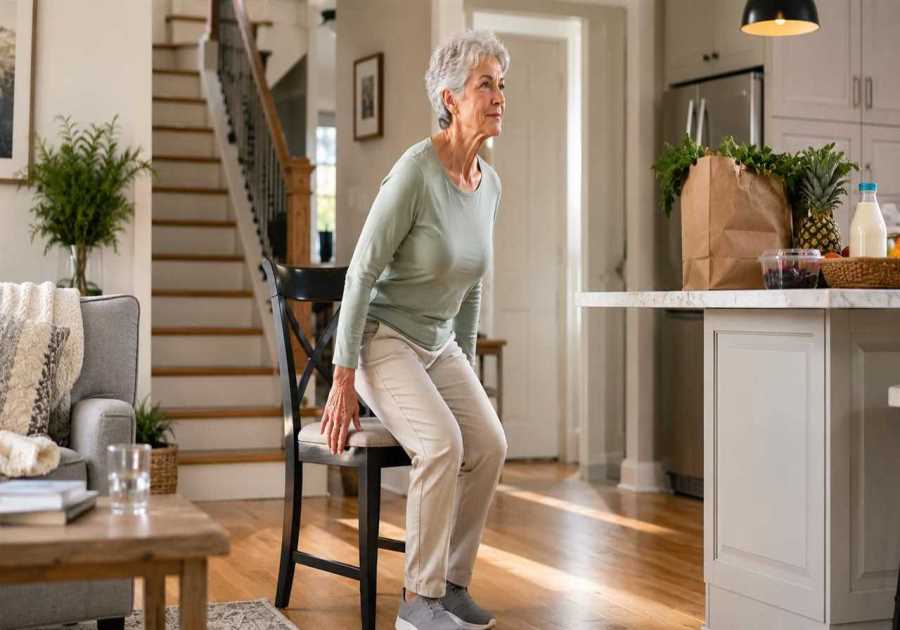
For many adults, one of the biggest concerns about getting older is losing independence. Independence is deeply connected to confidence, dignity, freedom, and quality of life. It affects your ability to manage daily tasks, make your own choices, stay active in your community, and continue living life on your own terms.
The encouraging news is that independence is not preserved by luck alone. It is strongly shaped by daily habits, physical function, mental clarity, and how consistently you support your body as the years go on. Staying independent does not require perfection. It requires intention. Small choices made consistently can help protect the strength, balance, mobility, and mindset that everyday life depends on.
If you want the full foundation behind long-term strength and function, begin with this guide to healthy aging after 40 and then use the strategies below to protect your independence over time.
Independence Begins With Physical Function
Many people think of independence only in practical terms, such as living alone or handling finances. But physical function is one of the biggest foundations underneath it all. The ability to stand up easily, walk confidently, carry household items, climb stairs, reach overhead, bend safely, and recover from daily movement all contribute to independence.
When strength and mobility decline, even simple routines can become more difficult. That is why regular movement matters so much after 40. Walking, strength training, stretching, and balance work all help maintain the physical abilities that make daily life easier.
Protect Your Strength
Strength is one of the most overlooked tools for preserving independence. It supports posture, balance, joint protection, and the ability to do ordinary tasks without strain. Without enough strength, the body becomes less stable and less resilient.
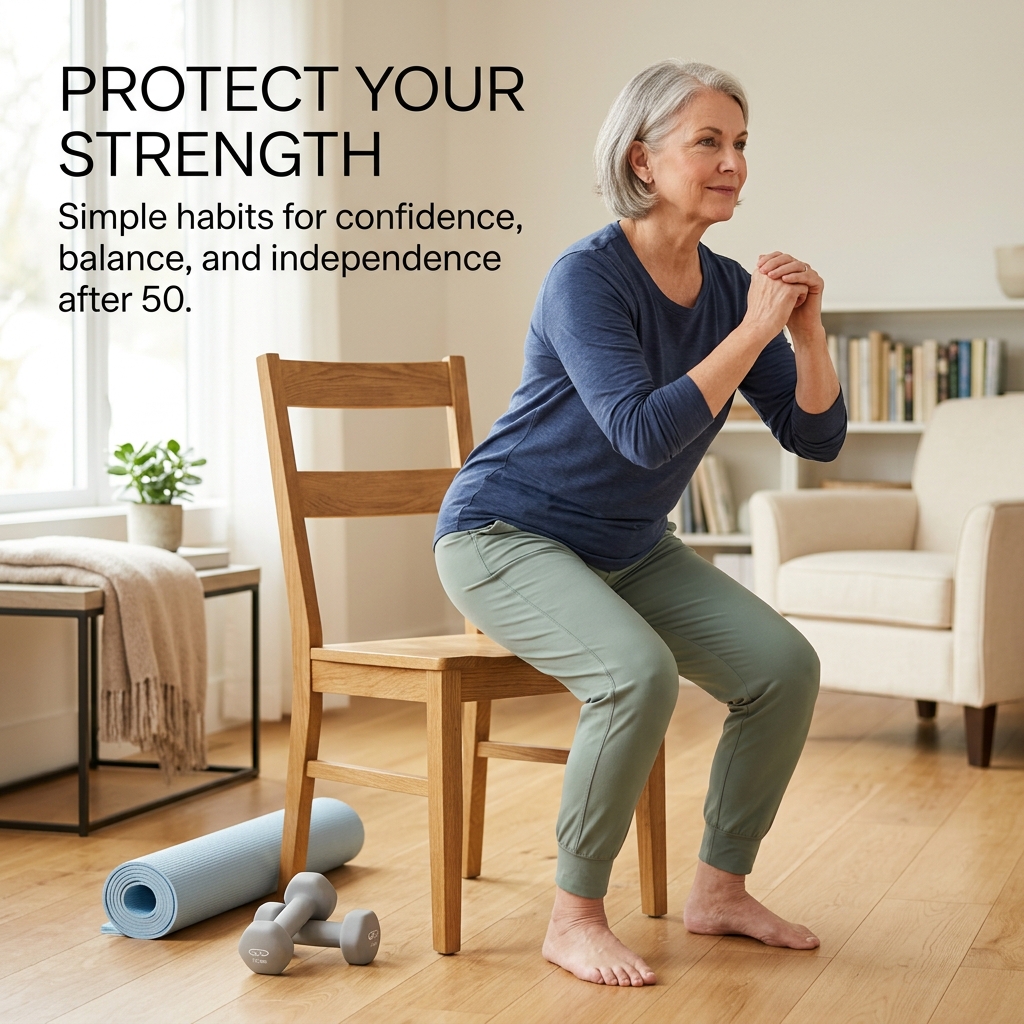
You do not need to become an athlete to benefit from strength training. Basic resistance exercises performed a few times each week can help maintain muscle and improve function. Chair squats, wall push-ups, resistance bands, step-ups, and light weights can all help support independence when practiced consistently.
Take Balance Seriously
Balance often does not get much attention until it starts to decline. But good balance is essential for confidence, movement, and fall prevention. Feeling steady on your feet affects how willing you are to move, exercise, go out, and stay active in everyday life.
Simple balance exercises, such as standing on one foot while holding onto support, heel-to-toe walking, or controlled leg raises, can help improve stability over time. The goal is not to challenge yourself recklessly. The goal is to keep the body confident and coordinated.
Keep Moving Every Day
Daily movement is one of the simplest ways to protect independence. Long periods of sitting can contribute to weakness, stiffness, poor circulation, and lower energy. Movement helps keep the joints mobile and the muscles engaged.
This does not mean every day needs to include a formal workout. Walking, gardening, household activity, stretching, and mobility work all count. The key is to avoid becoming sedentary. A body that moves regularly tends to remain more capable.
Support Your Brain and Memory
Independence is not only physical. Mental clarity matters too. Staying independent involves remembering tasks, making decisions, staying organized, and keeping up with daily responsibilities. Supporting brain health through sleep, movement, hydration, stress management, and nourishing food can help protect cognitive function over time.
Reading, learning new things, staying socially engaged, and keeping routines structured can also support mental sharpness. The brain responds well to use, challenge, and healthy daily habits.
Create Routines That Reduce Stress
Too much stress can affect sleep, patience, focus, energy, and physical tension. Over time, chronic stress can make healthy habits harder to follow and daily life harder to manage. Independence is easier to maintain when stress is handled before it becomes overwhelming.
That may mean simplifying your schedule, improving your boundaries, keeping a calmer home environment, praying, journaling, taking walks, or building moments of quiet into your day. Small stress-relief habits can make a bigger difference than people often expect.
Make Your Home Support You
Your environment plays a role in independence. A home that is cluttered, poorly organized, or physically difficult to navigate can make daily life harder than it needs to be. Simple changes such as better lighting, clear walkways, accessible storage, supportive chairs, and safer bathroom setups can help reduce risk and improve confidence.
A supportive environment also makes healthy habits easier. Keeping water visible, storing healthy foods within reach, and creating a simple exercise space can all encourage better routines.
Stay Socially Connected
Independence does not mean isolation. In fact, staying connected often helps protect independence. Social connection supports emotional well-being, mental sharpness, motivation, and overall resilience. People who stay engaged with family, friends, neighbors, groups, or meaningful activities often feel more supported and more mentally active.
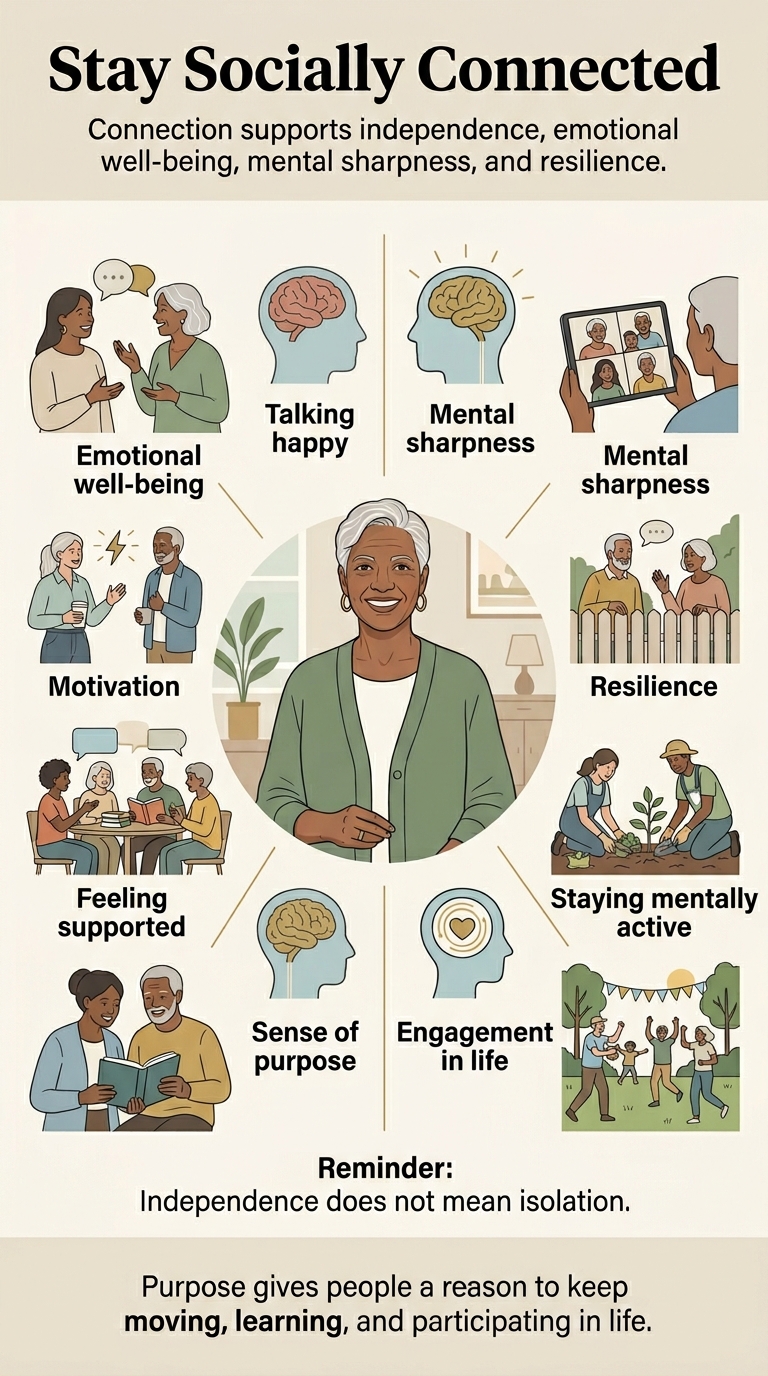
Connection also matters because it creates a sense of purpose and engagement. Purpose gives people a reason to keep moving, keep learning, and keep participating in life.
Pay Attention Early When Something Changes
One of the smartest things you can do to protect independence is to respond early when the body starts giving signs. More fatigue, less balance, declining strength, worsening sleep, or increasing stiffness should not always be ignored. Small problems are often easier to address than major ones.
Being proactive does not mean expecting the worst. It means noticing what is changing and taking practical steps before decline becomes harder to reverse.
Keep Healthy Habits Realistic
Many adults lose momentum because they create routines that are too ambitious. The best plan for staying independent is one that fits your actual life. Short walks, simple strength exercises, regular hydration, consistent sleep, and basic meal improvements are often more powerful than extreme plans that do not last.
Independence is preserved through repetition, not intensity. What you do regularly matters more than what you do occasionally. A good place to start is building a best morning routine for healthy aging after 40 that supports your body every day.
Final Thoughts
Staying independent as you get older is not about controlling everything. It is about protecting the abilities that give you freedom and confidence in everyday life. Strength, balance, mobility, mental clarity, stress management, and simple routines all work together to support independence.
The best time to begin is before you feel forced to. Small actions taken now can help you stay capable, steady, and self-reliant for many years ahead.
FAQ
How can I stay independent as I get older?
Focus on strength, balance, mobility, mental sharpness, and consistent daily habits. Staying active and responding early to changes can help preserve independence.
Why is strength important for independence?
Strength supports everyday tasks such as standing up, carrying items, climbing stairs, and maintaining balance. It helps keep daily life easier and safer.
Does social connection help older adults stay independent?
Yes. Social connection supports emotional well-being, mental clarity, motivation, and a stronger sense of purpose, all of which help protect independence.
What is the best first step to protect independence after 40?
Start with simple habits you can repeat consistently, such as walking daily, improving sleep, staying hydrated, and doing basic strength exercises.