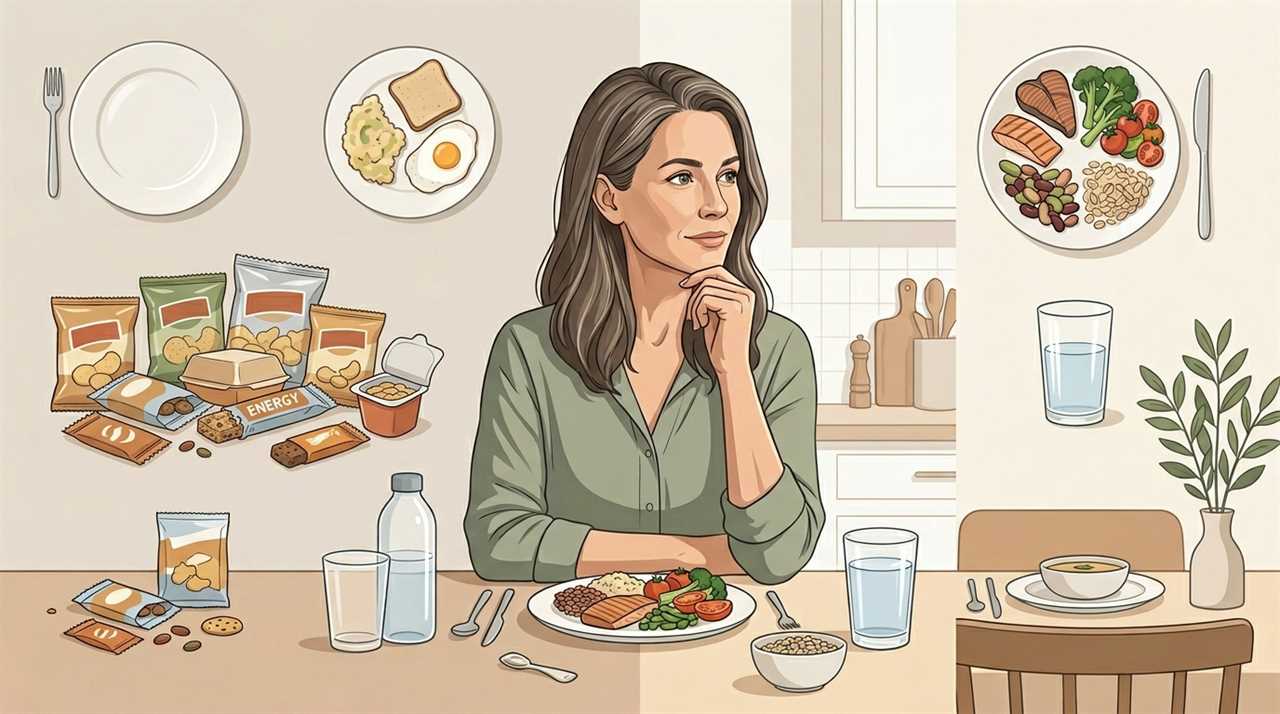
Many adults over 40 do not struggle with nutrition because they lack information. They struggle because small habits slowly become less supportive over time. Skipping meals, eating too little protein, relying on convenience foods, and drinking too little water may not seem serious on any given day. But repeated often enough, those habits can affect energy, digestion, body composition, and how well the body functions overall.
The good news is that nutrition mistakes are often fixable. Once you know where the weak spots are, you can make simple changes that improve the quality of daily eating without turning life upside down.
If you want the larger framework behind eating well in midlife and beyond, start with this guide to nutrition for seniors and then use the mistakes below as practical areas to improve.
Eating Too Little Protein
One of the most common mistakes after 40 is not eating enough protein throughout the day. Many adults get very little protein at breakfast and lunch, then try to make up for it at dinner. That pattern may leave them less full, less supported, and more likely to snack on less helpful foods.
Skipping Meals
Some adults skip meals because they are busy. Others do it in an attempt to eat less. But skipping meals often leads to lower energy, stronger cravings, and overeating later. A simple, balanced meal usually works better than going too long without eating and then grabbing whatever is easiest.
Relying Too Much on Processed Foods
Convenience foods can save time, but when they become the foundation of the diet, nutrition often suffers. Highly processed foods are often easier to overeat and may provide less protein, fiber, and overall nourishment than whole-food meals.
Not Eating Enough Fiber
Fiber is easy to overlook, especially when meals are light on vegetables, fruits, legumes, oats, and whole grains. Low fiber intake may affect digestion, regularity, and fullness, making the rest of the day harder to manage.
Drinking Too Little Water
Many adults confuse thirst with fatigue, cravings, or low focus. Drinking too little water can make the body feel more tired and sluggish than necessary. Hydration is one of the simplest habits to improve, yet it is often neglected.
Ignoring Breakfast Quality
A breakfast built only around sugar or refined carbohydrates may lead to a quick spike and then a crash. Adults over 40 often do better when breakfast includes protein, fiber, and more steady energy support.
Eating Without Structure
Some people snack all day with no real meals. Others go long stretches without eating and then overdo it later. A more predictable pattern of meals often helps improve appetite control and meal quality.
Use a Simpler Meal Structure
One reason nutrition mistakes keep repeating is that people do not have a clear meal structure to fall back on. A simpler approach is to build meals around protein, produce, a quality carbohydrate or fiber source, and healthy fat. For a practical way to do that, read what a balanced plate looks like for seniors.
Final Thoughts
Common nutrition mistakes after 40 are often small, but their effects can build. Too little protein, not enough fiber, poor hydration, missed meals, and overly processed foods can all make the body feel less supported than it should.
The goal is not to fix everything at once. Start by improving one or two habits. Over time, those changes can make eating well feel far more manageable and natural.
FAQ
What are the most common nutrition mistakes after 40?
Common mistakes include eating too little protein, skipping meals, drinking too little water, relying on processed foods, and not eating enough fiber.
Why is skipping meals a problem after 40?
Skipping meals can lead to lower energy, stronger cravings, and overeating later, which may make nutrition harder to manage overall.
How can adults over 40 fix poor eating habits?
Start with one or two improvements, such as adding more protein, drinking more water, or building more balanced meals with whole foods.
Are processed foods always bad?
Not always, but when processed foods become the main part of the diet, they can crowd out more supportive foods that provide better nutrition.