
Eating well becomes more important with age. After 40, many adults begin to notice that the body does not respond the way it once did. Energy may dip more easily. Digestion may become less predictable. Weight can become harder to manage. Recovery may take longer. Muscle can be lost more quickly when protein intake and physical activity are too low. Even hydration can affect mood, focus, and daily energy more than people expect.
That does not mean healthy eating has to become complicated. In fact, the best nutrition plan for seniors and adults over 40 is usually built on simple, consistent habits rather than extreme diets or strict food rules. Good nutrition supports strength, mobility, brain health, digestion, immune function, and independence. It also helps make daily life feel easier by supporting steadier energy, clearer thinking, and better overall well-being.
Nutrition for seniors is not only about avoiding disease. It is also about preserving function and quality of life. The right foods help support bones, muscles, nerves, digestion, and the body’s ability to recover and adapt. Eating well can help adults feel stronger, more stable, and more capable as the years go on.
This guide explains what nutrition for seniors really means, why eating habits often need to change after 40, which nutrients matter most, and how to build a practical approach to healthy eating that supports long-term wellness.
Why Nutrition Matters More After 40
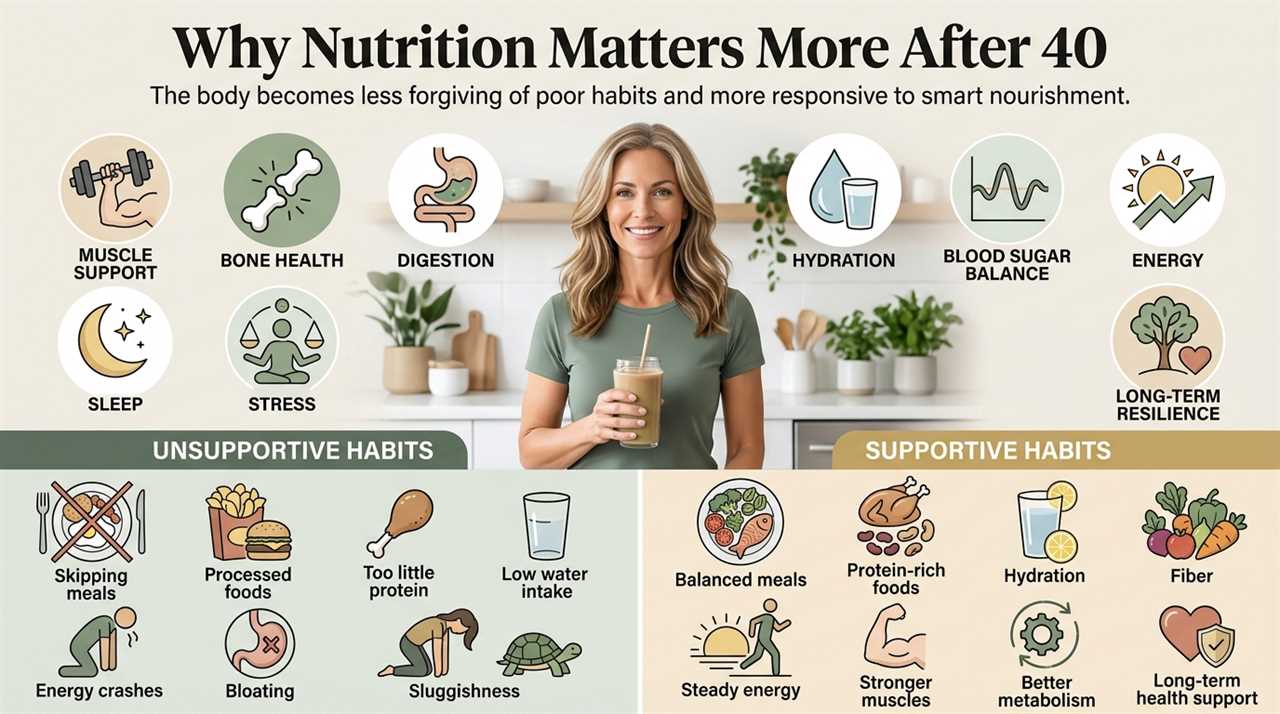
As the body ages, nutrition becomes more important because the margin for poor habits often becomes smaller. Younger adults may be able to get away with skipping meals, eating highly processed foods, getting too little protein, and ignoring hydration without feeling the effects right away. After 40, those habits often become more noticeable.
Muscle mass gradually declines with age if it is not supported by enough protein and regular movement. Bone health becomes more important. Digestion can become more sensitive. Sleep, stress, and blood sugar swings can also affect appetite and food choices more strongly. Some adults may find that eating the way they did in their twenties leaves them feeling sluggish, bloated, hungry too soon, or low in energy.
Good nutrition helps counter those patterns. It provides the body with the raw materials it needs to preserve muscle, support metabolism, manage hunger, maintain energy, and protect long-term health. It also supports healthy aging by helping the body stay more resilient and functional over time.
What Good Nutrition for Seniors Looks Like
Good nutrition for seniors is not about eating perfectly. It is about consistently choosing foods that nourish the body more than they drain it. A healthy eating pattern after 40 usually includes enough protein to support muscle and strength, high-fiber foods to support digestion and fullness, healthy fats for brain and heart support, fruits and vegetables for vitamins, minerals, and antioxidants, adequate hydration, and a more thoughtful balance of meals and snacks.
It also means reducing habits that make the body work harder than necessary. Highly processed foods, added sugars, skipped meals, and low-quality snacks can lead to unstable energy, poor fullness, and weaker nutrition overall. That does not mean those foods must disappear completely. It means they should not make up the foundation of the diet.
The Most Important Nutrients After 40
Protein
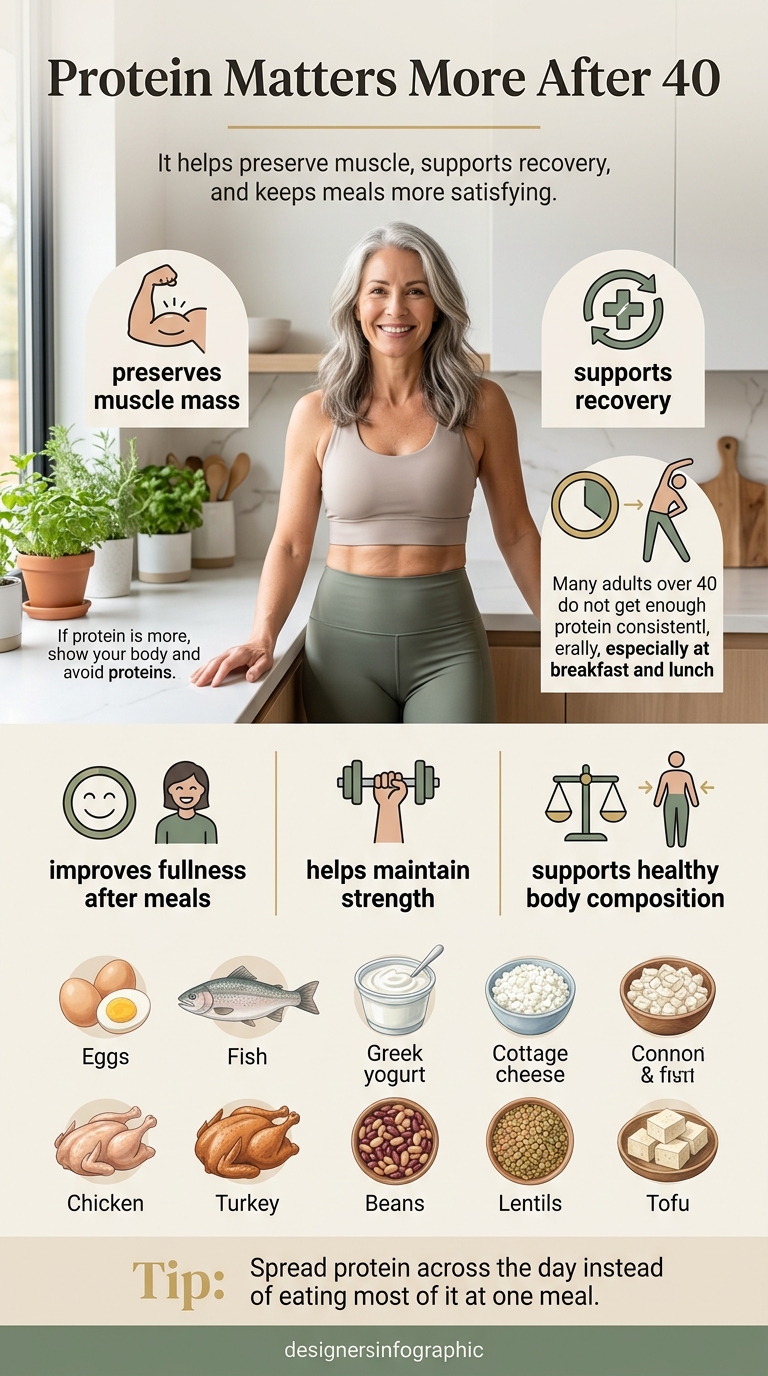
Protein becomes increasingly important with age because it helps preserve muscle mass, supports recovery, and contributes to better fullness after meals. Many adults over 40 do not eat enough protein consistently, especially at breakfast and lunch. That can make it harder to maintain strength and body composition over time.
Good protein sources include eggs, fish, Greek yogurt, cottage cheese, chicken, turkey, beans, lentils, tofu, and other minimally processed options. Spreading protein across the day often works better than eating most of it at one meal.
Fiber
Fiber supports digestion, steadier blood sugar, heart health, and fullness. Many adults fall short on fiber, especially when meals are built around processed foods instead of whole foods. A fiber-rich diet often includes vegetables, fruits, legumes, oats, seeds, nuts, and whole grains.
Fiber can also help support regularity, which becomes more important for many adults as they age. Better digestion often leads to better daily comfort and consistency.
Healthy Fats
Healthy fats help support brain function, hormones, and overall satisfaction with meals. Foods such as avocados, nuts, seeds, olive oil, and fatty fish can be valuable parts of a balanced diet. These fats help meals feel more complete and can support long-term health when they replace more heavily processed fat sources.
Vitamins and Minerals
After 40, it becomes especially important to eat foods that provide key vitamins and minerals. Calcium, magnesium, potassium, B vitamins, and vitamin D are commonly discussed because they support bones, muscles, nerves, and overall function. While specific needs vary, a diet rich in whole foods gives the body a stronger nutritional foundation.
Water
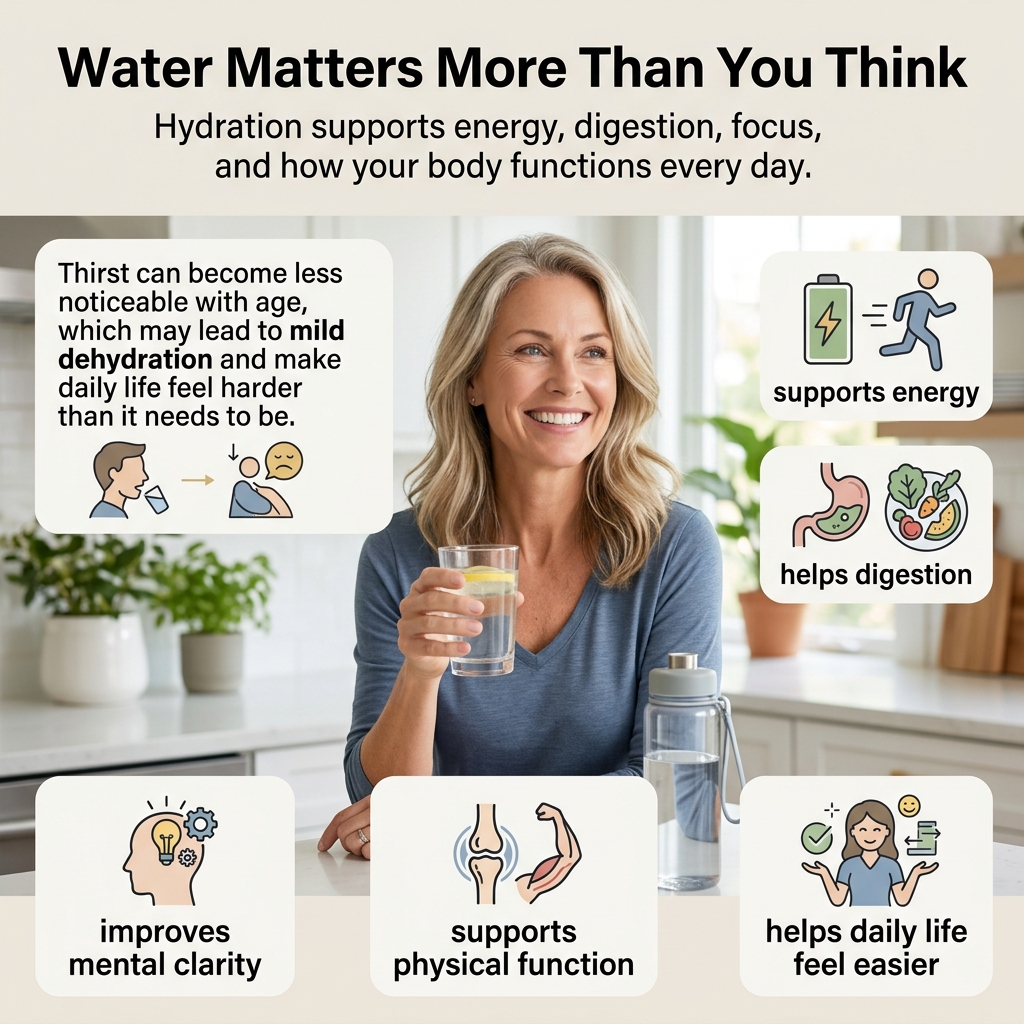
Hydration is often overlooked, but it affects more than thirst. Water supports energy, digestion, mental clarity, and physical function. Some adults become less aware of thirst as they age, which can lead to mild dehydration and make daily life feel harder than it needs to be.
Best Foods to Focus On
The best foods for seniors and adults over 40 are usually simple, recognizable, and nutrient-dense. These include lean proteins such as eggs, fish, poultry, Greek yogurt, beans, and lentils, vegetables of many colors, fruits such as berries, apples, oranges, and bananas, whole grains such as oats, brown rice, and quinoa, nuts and seeds, healthy fats like olive oil and avocado, and high-fiber foods that support digestion and fullness.
These foods help create meals that are more balanced, more satisfying, and more supportive of healthy aging overall. For a more specific breakdown, read best foods for adults over 40.
How Nutrition Needs Change With Age
Nutritional needs change over time, even if appetite or habits do not. Adults over 40 often need to become more intentional about protein, fiber, hydration, and meal quality. They may also need to eat in a way that supports changing energy levels, digestion, and body composition.
For example, meals that are too low in protein may leave a person hungrier sooner. A diet low in fiber may affect digestion and appetite control. Not drinking enough water may contribute to fatigue or brain fog. Eating too many refined carbohydrates without enough balance may lead to energy crashes that affect the rest of the day.
To better understand these changes, read how nutrition needs change with age.
Common Nutrition Problems After 40
Many adults do not struggle because they know nothing about nutrition. They struggle because daily routines slowly shift in less supportive directions. Common problems include eating too little protein, relying too heavily on processed convenience foods, skipping meals and overeating later, drinking too little water, not eating enough fruits and vegetables, and assuming that lower energy is just part of aging rather than a signal that food habits may need attention.
Even small nutrition mistakes can build over time. When repeated daily, they can affect strength, digestion, energy, and long-term well-being. You can learn more in common nutrition mistakes people make after 40.
What a Balanced Plate Should Look Like
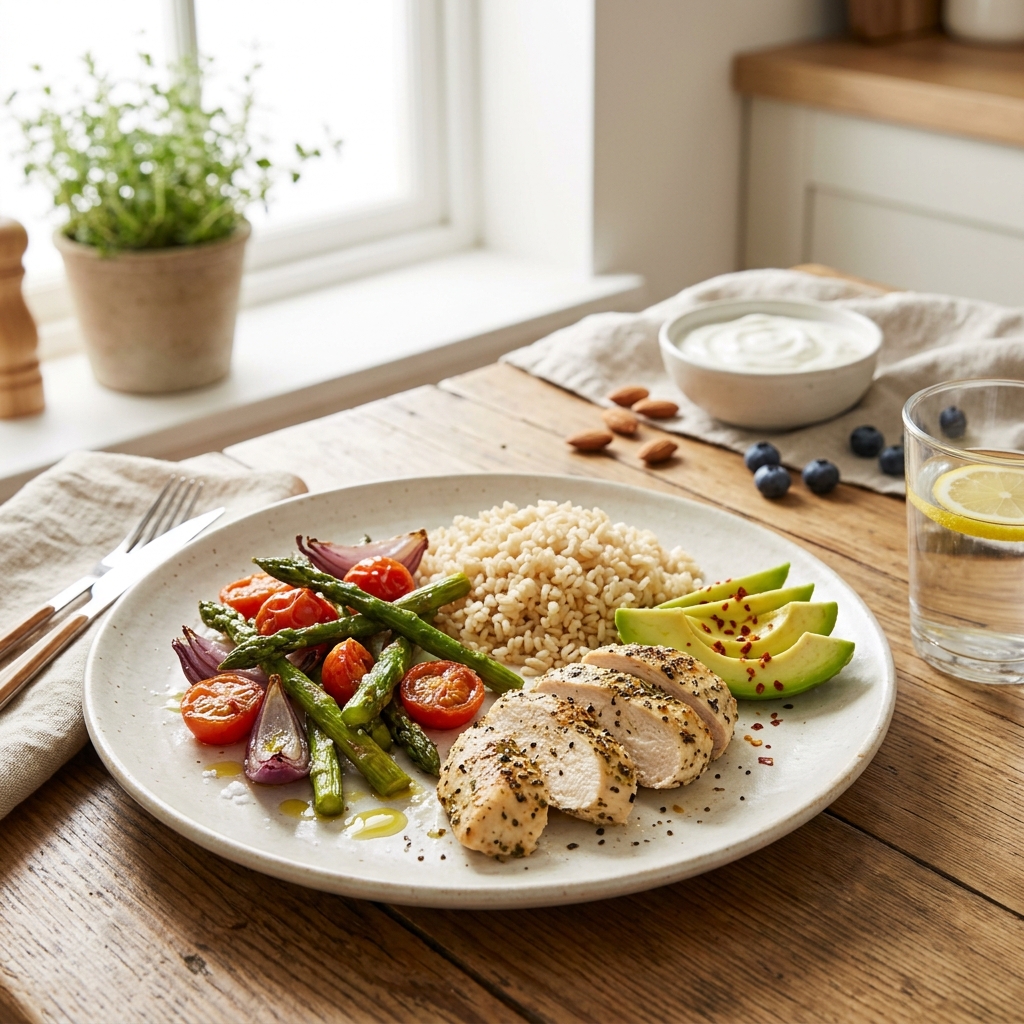
One of the easiest ways to improve nutrition without counting every calorie or following a complicated diet is to build more balanced meals. A balanced plate generally includes a solid source of protein, vegetables or fruit, a quality carbohydrate or fiber source, and healthy fat.
This kind of meal helps support fullness, steady energy, and better overall nutrient intake. It also makes healthy eating feel more practical because it focuses on structure rather than perfection. For a simple visual guide, read what a balanced plate looks like for seniors.
How to Eat Well Without Making It Complicated
Many adults become overwhelmed by nutrition advice because there is so much of it. One plan says to cut carbs. Another says to eat more fat. Another says to avoid entire food groups. In reality, the most helpful nutrition plan is usually the one you can follow consistently.
Start with the basics. Add protein to each meal. Eat more vegetables and fiber-rich foods. Drink more water. Build meals from simple whole foods more often. Reduce how often processed foods become the default. Keep healthy options easy to reach. Repeat these habits often enough that they become your new normal.
Nutrition becomes more effective when it fits real life. Meals do not have to be fancy to be supportive. Eggs and fruit. Greek yogurt and oats. Chicken with rice and vegetables. Beans with olive oil and greens. These simple combinations often do more good than complicated plans that never last. For more practical ideas, read easy healthy eating tips for older adults.
Final Thoughts
Nutrition for seniors and adults over 40 is not about fear or restriction. It is about support. The body needs more intentional care as the years go on, and food is one of the most practical ways to provide that support every day. Better nutrition can help protect strength, digestion, energy, focus, and independence.
You do not need a perfect diet. You need a sustainable one. Start with protein, fiber, hydration, and more whole foods. Build balanced plates. Keep meals simple and realistic. Pay attention to how your body responds. Over time, those habits can make eating well feel natural instead of difficult.
The goal is not just to live longer. It is to feel stronger, steadier, and more supported along the way.
Frequently Asked Questions
What is the best nutrition plan for seniors?
The best nutrition plan for seniors focuses on protein, fiber, hydration, whole foods, balanced meals, and simple habits that support strength, digestion, and steady energy.
Why does nutrition matter more after 40?
After 40, the body often becomes less forgiving of poor habits. Nutrition plays a bigger role in supporting muscle, digestion, energy, and long-term health.
What foods should seniors eat more often?
Seniors often benefit from eating more protein-rich foods, vegetables, fruits, legumes, whole grains, nuts, seeds, and healthy fats.
How can older adults eat healthy without following a strict diet?
Older adults can eat healthy by building balanced meals, drinking enough water, eating more whole foods, and keeping routines simple and consistent.