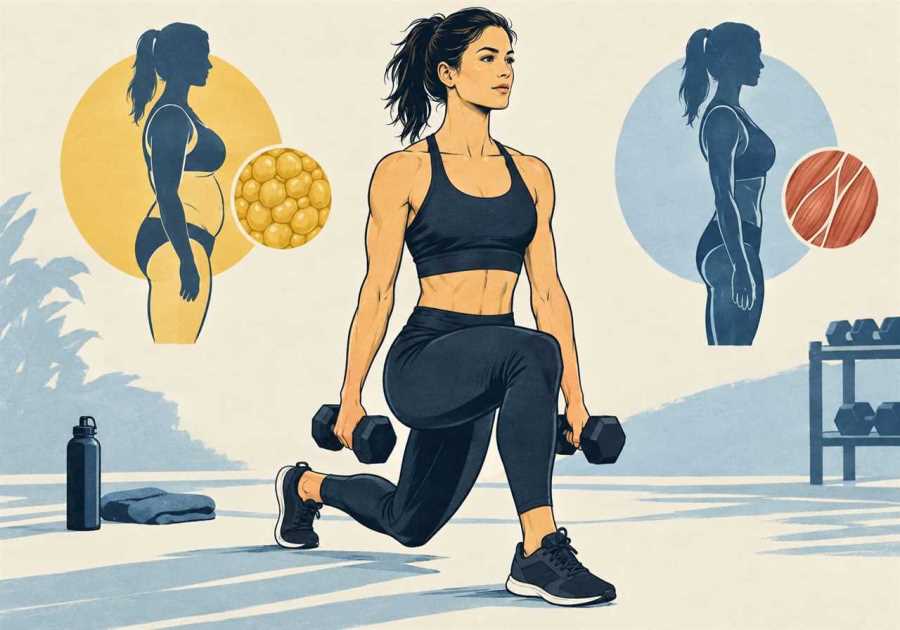
Many people continue eating the same way for years without realizing that the body’s needs may be changing. After 40, nutrition often requires more intention. That is not because the body suddenly stops working well. It is because the body may become less forgiving of weak habits and more responsive to supportive ones.
What worked in younger years may no longer feel as effective. Skipping meals may now lead to stronger energy crashes. Low-protein eating may affect muscle and fullness more than before. Poor hydration may show up as fatigue or brain fog. Highly processed foods may leave the body feeling more sluggish and less satisfied.
If you want the full foundation behind healthy eating in midlife and beyond, start with this guide to nutrition for seniors and then use the points below to better understand what changes with age.
Protein Becomes More Important
One of the biggest shifts after 40 is the growing importance of protein. Muscle mass gradually declines with age when it is not supported by enough dietary protein and regular movement. This means adults often benefit from being more intentional about including protein at each meal rather than treating it as an afterthought.
Protein helps support strength, recovery, and fullness. It can also make meals feel more balanced and reduce the tendency to snack constantly.
Fiber Matters More for Digestion and Fullness
Digestion can become more sensitive with age, and fiber becomes even more valuable. A low-fiber diet may contribute to poor regularity, less stable energy, and weaker fullness between meals. Fiber-rich foods such as vegetables, fruits, legumes, oats, nuts, and seeds help support a healthier digestive rhythm and more satisfying meals.
Hydration Can Affect More Than Thirst
Some adults become less aware of thirst as they age, yet hydration remains critical. Even mild dehydration can affect energy, concentration, digestion, and physical comfort. Water intake may need more attention after 40 simply because people do not always feel thirsty soon enough.
Meal Quality Becomes More Noticeable
After 40, low-quality meals often have a stronger effect. A breakfast made mostly of sugar may lead to a faster crash. A lunch low in protein may leave a person hungry soon afterward. A day built around snack foods may leave the body undernourished even when calories are high.
This is why meal quality becomes more important. The body responds better when meals contain useful nutrients and better balance.
Recovery and Energy Often Depend More on Food Choices
Adults often notice that poor eating habits affect recovery more than they once did. A diet low in protein, water, and whole foods can make the body feel more drained. Better meals often support steadier energy and may help daily life feel more manageable.
Appetite May Not Always Be the Best Guide
Some adults eat less with age due to lower appetite, while others eat more out of stress or habit. Appetite alone does not always reflect what the body actually needs. That is why structure can help. Balanced meals eaten regularly often work better than waiting until hunger becomes extreme.
Where Weak Habits Usually Show Up
Nutrition needs often change before people realize their habits should change too. This is where weak habits usually show up: too little protein, low fiber, poor hydration, meal skipping, and overreliance on convenience foods. For a closer look at those patterns, read common nutrition mistakes people make after 40.
Final Thoughts
Nutrition needs change with age because the body becomes more dependent on supportive habits. Protein, fiber, hydration, and meal quality all begin to matter more. That does not mean eating has to become difficult. It simply means the body often benefits from more thoughtful choices than it once required.
The goal is not to chase perfection. It is to give the body what it needs to stay stronger, steadier, and better supported over time.
FAQ
Why do nutrition needs change with age?
Nutrition needs change with age because the body often becomes less forgiving of poor habits and more dependent on protein, fiber, hydration, and meal quality for daily function.
Do adults over 40 need more protein?
Many adults over 40 benefit from being more intentional about protein because it helps support muscle, recovery, and fullness.
Why is hydration more important with age?
Hydration affects energy, digestion, focus, and physical comfort. Some adults feel thirst less clearly as they get older, making dehydration easier to miss.
Is appetite a reliable guide after 40?
Not always. Some adults may undereat or overeat based on habit, stress, or convenience, so meal structure often becomes more helpful than relying on appetite alone.