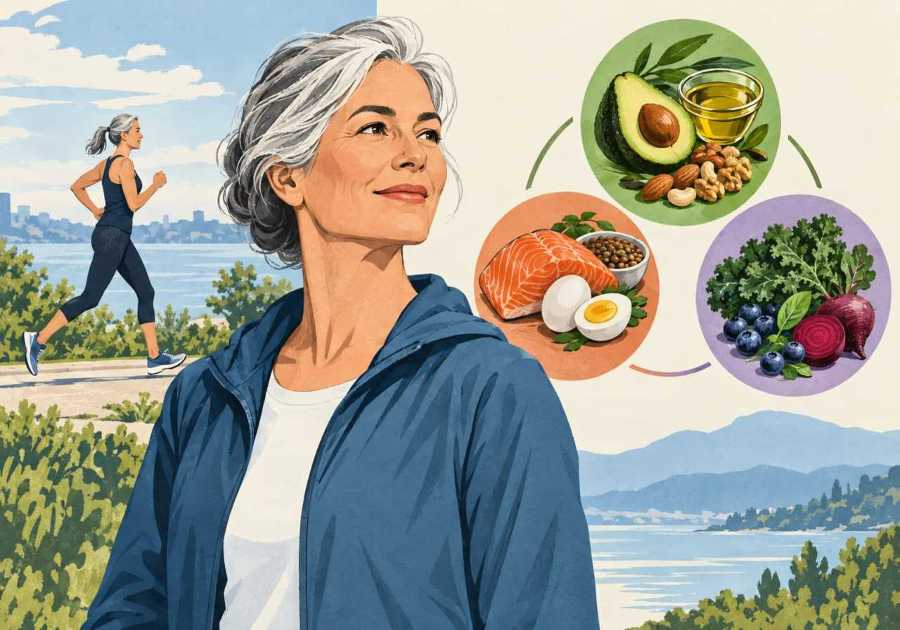
Protein becomes more important as people age because the body naturally loses muscle over time. After 60, this gradual muscle loss can affect strength, balance, mobility, and independence. Seniors may notice it becomes harder to climb stairs, carry groceries, recover from illness, or stay active without feeling weak or tired.
Eating enough protein is one of the simplest ways to support healthy aging. Protein helps maintain muscle, repair tissue, support the immune system, and keep the body strong enough for daily movement. When combined with regular activity, especially light strength training, protein can help seniors stay more confident and independent.
Why Seniors Need More Protein
As the body ages, it may not use protein as efficiently as it once did. This means older adults may need steady protein throughout the day instead of only eating most of it at dinner. Spreading protein across breakfast, lunch, and dinner can help the body use it better.
Good protein choices include eggs, fish, chicken, turkey, lean beef, Greek yogurt, cottage cheese, beans, lentils, tofu, nuts, and seeds. Seniors who have trouble chewing may benefit from softer options like yogurt, scrambled eggs, soups with beans, or smoothies with protein-rich ingredients.

3 Masters is a professional grade spiritual formula designed to harmonize the body and mind. This advanced formula combines Reishi extract with mineral rich Shilajit and ORMUS to provide comprehensive systemic support.
Protein Helps Protect Strength and Mobility
Muscle is not just about looking fit. It supports balance, posture, walking, lifting, and everyday movement. When seniors do not get enough protein, they may lose strength faster, making falls and injuries more likely.
Protein also supports recovery after exercise, illness, or injury. Even simple activities like walking, stretching, or light resistance exercises work better when the body has enough nutrients to rebuild and repair.
Simple Ways to Add Protein Daily
Seniors can add protein by including eggs at breakfast, tuna or chicken at lunch, beans in soup, Greek yogurt as a snack, or fish at dinner. The goal is not to eat huge portions. The goal is to include protein consistently.
Small daily choices can make a big difference. With enough protein, movement, and balanced meals, seniors can better protect muscle, energy, and independence after 60.
FAQs
How much protein do seniors need daily?
Protein needs vary depending on weight, health, and activity level. Many seniors benefit from including protein at every meal instead of eating it all at once. A doctor or dietitian can give a more personal recommendation, especially for seniors with kidney disease or other medical conditions.
What are easy high-protein foods for seniors?
Easy high-protein foods include eggs, Greek yogurt, cottage cheese, fish, chicken, beans, lentils, tofu, and nut butter. Softer foods may be helpful for seniors with chewing problems. Smoothies, soups, and scrambled eggs are simple ways to add protein without making meals difficult.
Can protein help seniors stay independent?
Yes, protein can support muscle strength, mobility, balance, and recovery. This can make daily activities like walking, standing, climbing stairs, and carrying groceries easier. Protein works best when combined with regular movement, strength exercises, hydration, and an overall balanced diet.