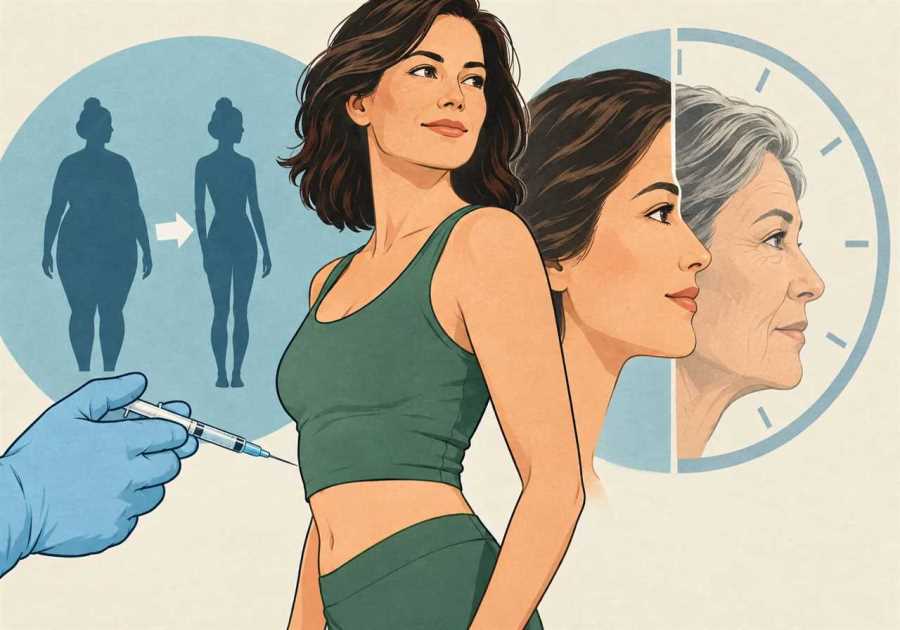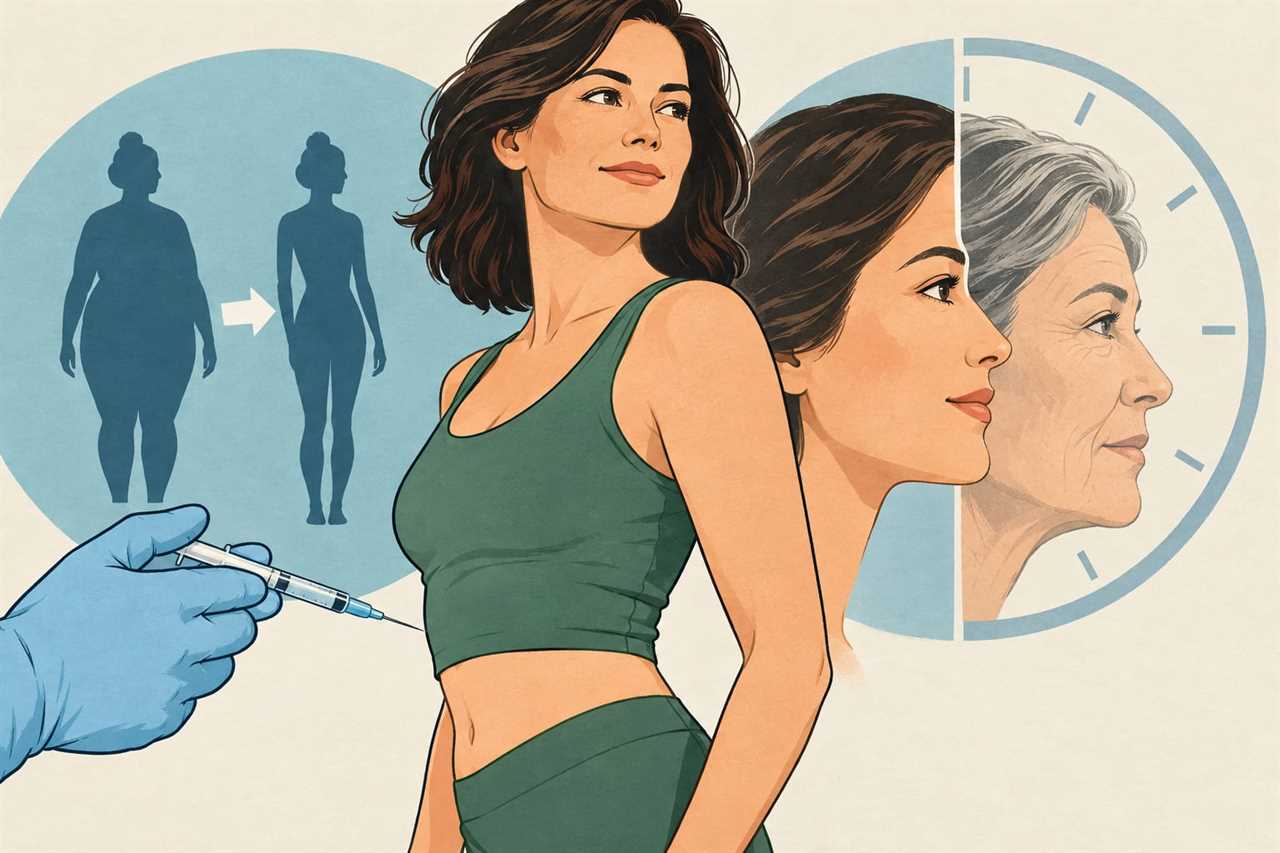
A few years ago, GLP-1 drugs like Ozempic and Wegovy were just the thing your neighbor mentioned at the gym. Now researchers are asking a much bigger question: could these drugs actually slow down aging itself?
That's the headline out of a new round of medical research, and it's worth paying attention to. Not because I'm chasing the next miracle pill — I've been around long enough to be skeptical of those — but because the question itself is fascinating.
Here's what's going on. GLP-1 drugs were designed to treat type 2 diabetes. They work by mimicking a hormone that tells your body to release insulin, slow digestion, and signal your brain that you're full. That's why they became such a big deal for weight loss. Drop enough weight, and a lot of other things improve too.
But researchers are now digging into something deeper. Obesity and aging share a lot of the same troublemakers: chronic inflammation, metabolic stress, cellular damage that builds up over time. So scientists are asking — what happens if a drug that reduces inflammation and improves metabolic health doesn't just help you lose weight, but actually changes how your body ages?
Early studies in animals have shown some drugs in this class may reduce inflammation markers, improve cardiovascular health, and even show protective effects on the brain. Human data is still catching up, and researchers are careful to say we're not there yet. This isn't a fountain of youth. It's a legitimate scientific question that deserves real study, not hype.
And that distinction matters to me. I'm almost 70. I've spent the last several years traveling full-time, and I've learned that the body you take care of is the one that keeps saying yes to the next adventure. I don't want a shortcut. I want to understand what's actually happening inside my own machine.
So when I read that GLP-1 drugs might influence aging, my first question isn't "where do I get a prescription?" It's "why would this work, and what's the actual mechanism?" That's the curious part of me that can't just accept a headline at face value. I want to know the how and the why.
Why does this matter to you, whether you're 35 or 85? Because aging research has shifted. For decades, medicine treated aging as something you just endure — you get the diseases that come with it and treat them one at a time. High blood pressure here, joint pain there, diabetes over there. But a growing number of scientists are asking whether aging itself is the thing to target, not just its symptoms. If you slow the underlying process, maybe you prevent a dozen problems before they start.
That's a different way of thinking about getting older. And it lines up with something I believe anyway: age isn't a wall you hit. It's a number that tells you how long you've been collecting experience. What matters is what you do with the years you've got, and how well your body cooperates while you're doing it.
I've met people in their 80s hiking in Patagonia and people in their 40s who've basically retired from living. The difference usually isn't genetics. It's choices — what you eat, how you move, how curious you stay, whether you keep pushing yourself into new situations.
Would I try a GLP-1 drug if solid research showed real anti-aging benefits, not just marketing? Probably. I've never been afraid to experiment with something new if the evidence holds up. That's the same instinct that got me on a plane in 2017 with no return ticket. Try it. Learn. Adjust. Keep moving.
But right now, the honest answer is: we don't know yet. The studies are promising, not proven. And that's exactly where real discovery happens — in the space between "interesting idea" and "confirmed fact."
So keep watching this one. Ask your doctor real questions instead of chasing headlines. And in the meantime, do what's always worked: move your body, stay curious, and don't let the number on your birth certificate decide what you're capable of.
Because whether or not science finds a way to slow aging in a vial, there's already a proven way to feel younger. Go do something that scares you a little. It still works.
Source: WBAL-TV
Read our previous article: Creatine Isn't Just for Bodybuilders Anymore. Here's What's Actually Changing.