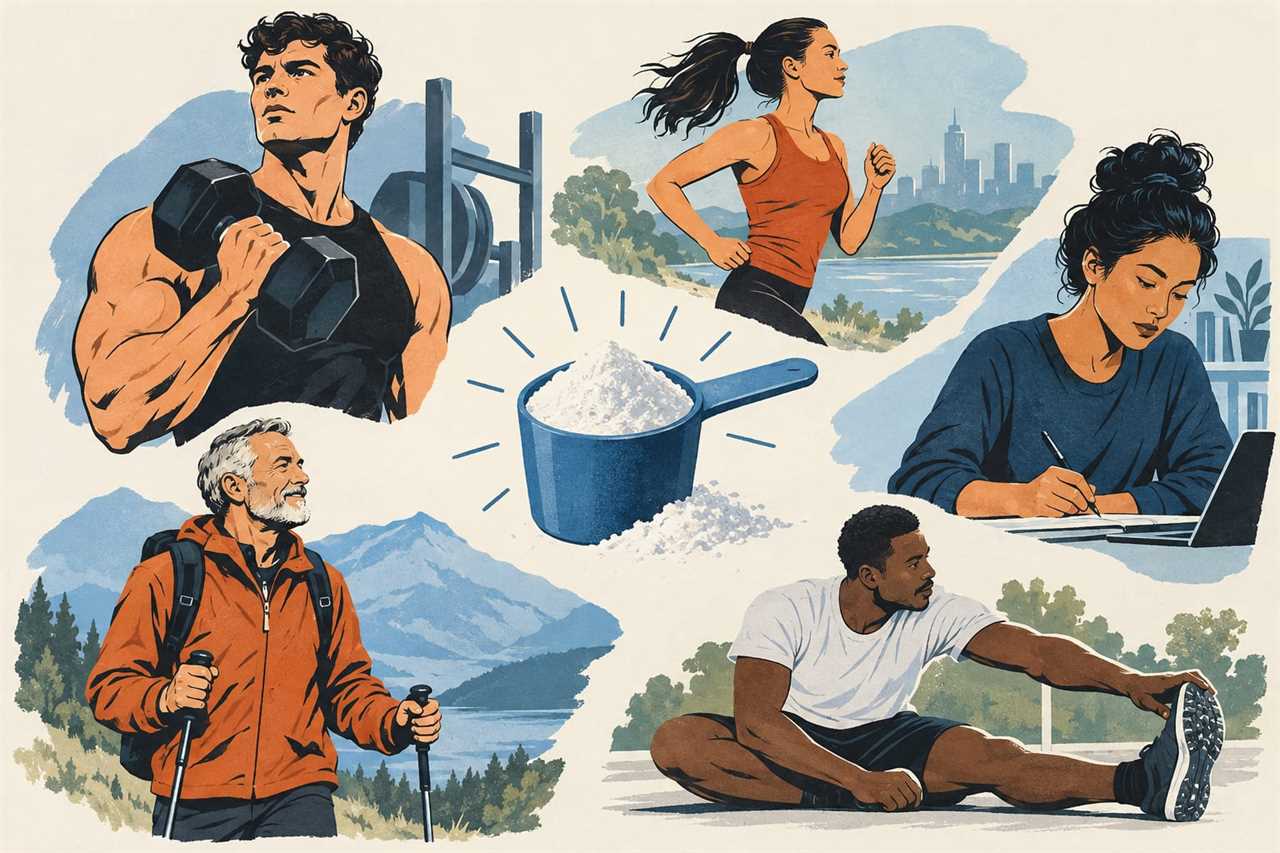
I've heard the same myths about creatine for years. It makes you bloated. It's only for guys trying to get huge at the gym. Skip it unless you're bench-pressing your bodyweight.
Turns out, none of that holds up anymore. And the real story happening in the supplement world right now is a lot more interesting than "bro science."
Creatine is quietly becoming one of the most studied ingredients in healthy aging, brain function, and everyday wellness. Not just sports nutrition. Everyday life.
That got my attention, because I'm not training for a competition. I'm trying to stay strong, sharp, and mobile enough to keep traveling the way I have been since 2017. So when something shows up in multiple areas of health research at once, I want to know why.
Why the Old Form of Creatine Has Limits
Creatine monohydrate, the classic powder form, is well-studied and it works. But according to Lauren Clardy, senior director of scientific affairs at Maypro, it has to be converted inside muscle cells before your body can actually use it. That creates some real-world issues with absorption and tolerability.
There's also the practical stuff nobody talks about at the gym: regular creatine can get gritty and settle at the bottom of your shaker bottle. Not exactly appetizing.
So companies are building newer molecular versions, like Clonapure, designed to get absorbed faster and support the body's ATP system more directly. ATP is basically your cells' energy currency. Muscles need it. So does your brain.
The Brain Connection Is the Real Surprise
Here's the part that stopped me: creatine's biggest emerging benefit outside of muscle performance might be brain health.
Mark Faulkner, founder and CEO of Vireo Systems, says higher doses of creatine monohydrate, or smaller doses of creatine hydrochloride, are showing real improvements in brain energy metabolism. Researchers are now looking into how this could help with things like traumatic brain injury and concussion recovery.
Think about that for a second. An ingredient known for building biceps might also help neurons function more efficiently under stress or fatigue.
That's the kind of thing I love discovering. Something everyone assumed was one thing turns out to be something else entirely once you actually dig into the research.
Pairing Creatine With Magnesium
Balchem makes a combination called Creatine MagnaPower, pairing creatine with two forms of magnesium. Oliver Riemann, with Albion Minerals at Balchem, says the combo improves muscle hydration, power, and performance beyond what creatine or magnesium can do on their own.
In clinical studies, that translated to faster sprint times for elite soccer players and better bench press capacity for regular gym-goers. Makes sense. Your body doesn't work in isolated parts. Why should supplements?
Making It Easier to Actually Take Every Day
Shawn Baier from TSI Group, maker of OptiCreatine, made a point that stuck with me: the next wave of innovation isn't about discovering new benefits. It's about making the benefits we already know about easier to stick with long term.
That means fast-melt powders, chewables, gummies, and clear effervescent drinks. Basically, removing the friction of "ugh, I have to mix another gritty shake."
I get that. The best health habit is the one you'll actually keep doing.
Muscle Preservation, Aging, and GLP-1 Users
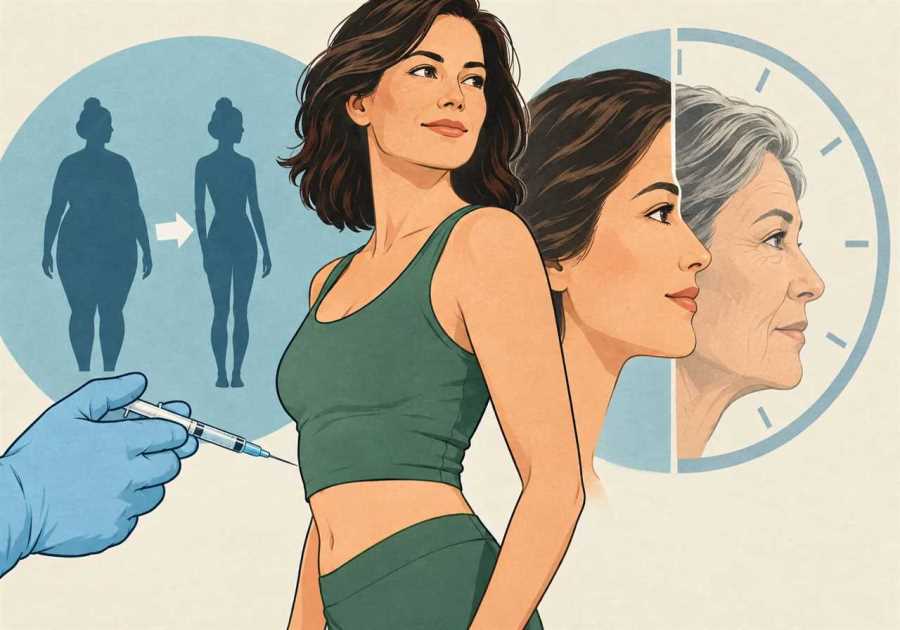
There's also growing interest in creatine helping people preserve muscle while losing weight on GLP-1 medications. A narrative review found that creatine and HMB, paired with resistance training, may help protect lean muscle during rapid weight loss.
And then there's the bigger shift: creatine's role in aging well. Baier put it simply—creatine supports strength, mobility, and muscle preservation, especially for women and older adults, when paired with resistance training.
That's a message that resonates with me. I'm not trying to outlift anyone. I'm trying to stay capable enough to climb into a Jeep, hike a trail, or carry my own luggage through an airport at almost 70.
So What Happens Next?
Creatine isn't a trend chasing hype. It's an ingredient earning a bigger role because the science keeps backing it up, from muscle to brain to long-term independence.
Makes me wonder what else we've been underestimating because of an old assumption that never got revisited.
Worth asking before you write anything off.
Source: Nutritional Outlook
See also our earlier piece: Feeling Off Lately? It Might Not Be “Just Aging”