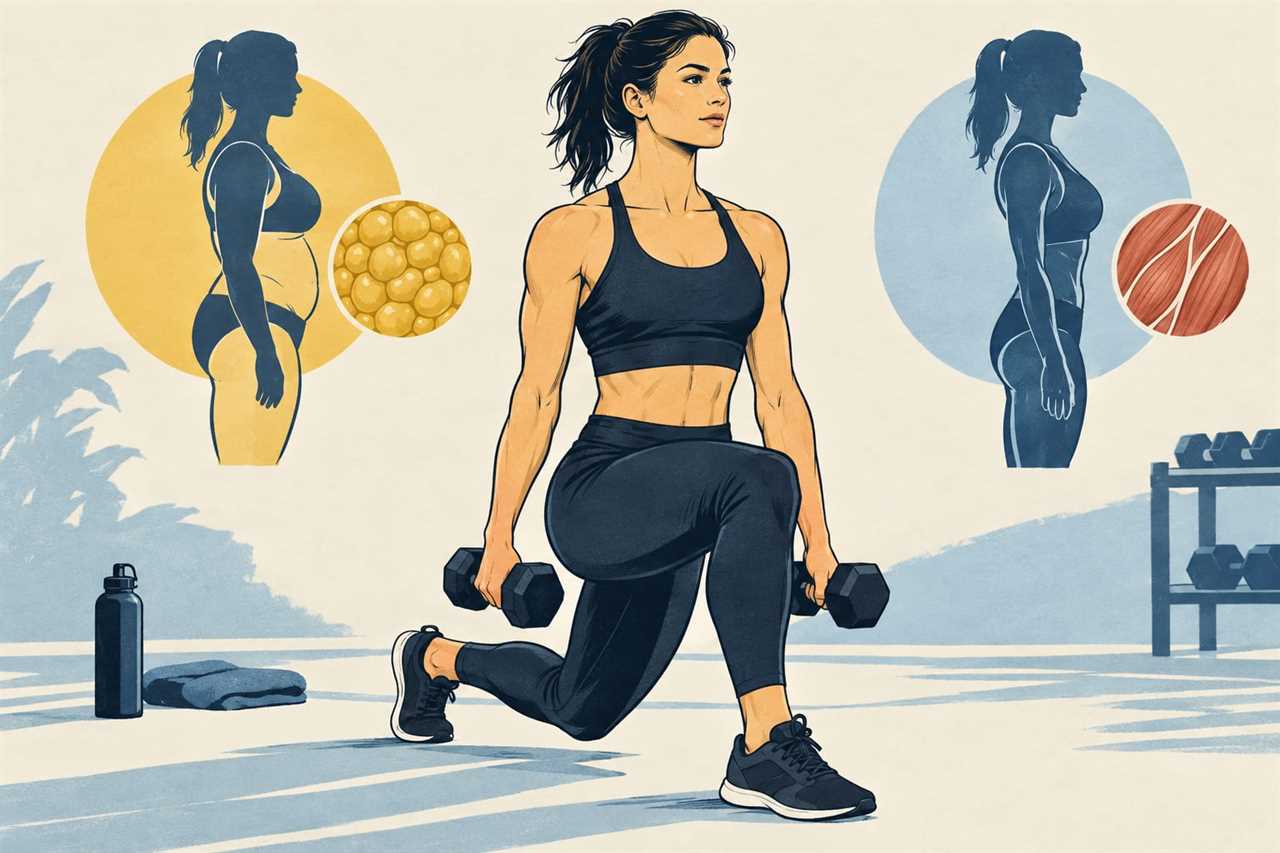
Here's a question worth asking as you get older: when you lose weight, what exactly are you losing?
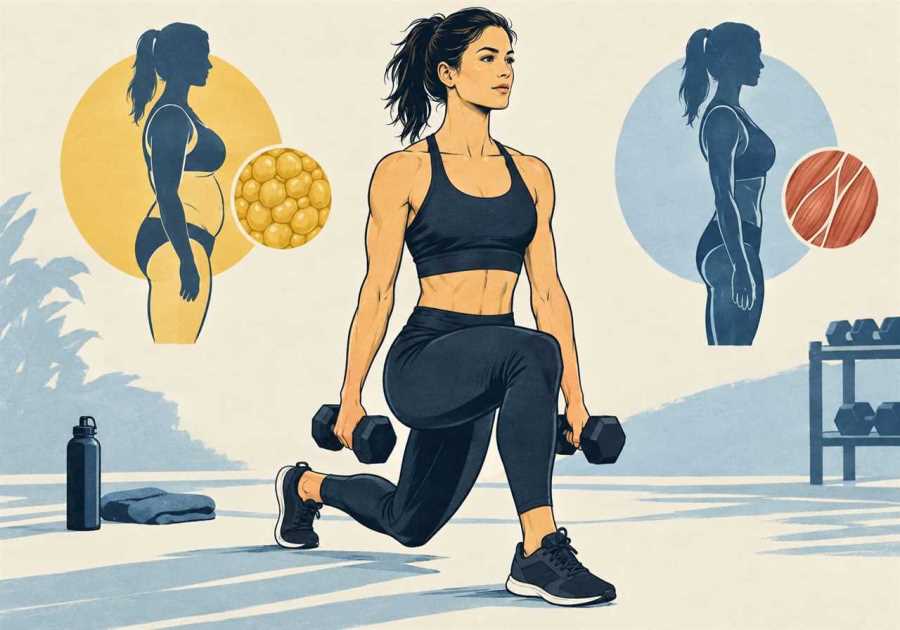
Fat, sure. But also muscle? Because those are two very different outcomes, and only one of them helps you climb stairs, carry groceries, and stay independent well into your 70s and beyond.
A study out of Australia, run by researchers at the University of the Sunshine Coast and the University of Queensland, took a close look at this question. And the answer they found is interesting enough that it's worth understanding, even if you're nowhere near sarcopenia territory yet.
What the Study Actually Found
Researchers compared high-intensity interval training, moderate-intensity exercise, and low-intensity exercise in older adults. All three groups lost fat. But only the HIIT group managed to do it without shedding lean mass along the way.
That matters. Lean mass includes muscle, and muscle is what keeps you upright, balanced, and able to get out of a chair without using your arms. Lose too much of it as you age, and you're looking at sarcopenia — a steady decline in muscle strength and quantity that chips away at independence.
Now, the researchers were careful here, and I appreciate that kind of honesty. The scans measured lean tissue, not strength directly. Lean mass includes water and other tissue too, so it's not a perfect stand-in for how strong someone actually is. Science people call that a limitation. I call it refreshing that they said so.
There was a second finding worth mentioning: both the high and moderate intensity groups saw improvements in visceral fat — the deep abdominal fat that wraps around your liver and intestines and gets linked to insulin resistance and heart disease. The low intensity group's results on that front still need more digging. And the researchers flagged that the overall differences between intensities were relatively small, maybe not clinically huge once you account for measurement uncertainty. Good science doesn't oversell itself.
Why Would Harder Exercise Protect Muscle?
Associate Professor Mia Schaumberg, one of the study's co-authors, explained it this way: HIIT means repeated short bursts of very hard effort — the kind where talking becomes difficult — followed by easier recovery periods.
That stress, she says, sends the body a stronger signal to hang onto muscle tissue rather than let it go. Makes sense when you think about it. Your body adapts to what you demand of it. Ask more of your muscles, and they stick around.
Schaumberg pointed out the timing works out nicely too — this kind of research lands right as people are making New Year's resolutions about healthy aging.
More Recent Research Fills in the Picture
A few newer 2026 studies add some nuance here, and I think nuance is exactly what you want before building a fitness plan.
One study had 20 adults aged 61 to 74 doing HIIT at home, remotely supervised, using a machine that let them train arms and legs without bearing body weight. After eight weeks, they lost about 1.4 kilograms — roughly 3 pounds — of fat, with solid gains in aerobic fitness. They completed 96 percent of their scheduled workouts with zero exercise-related problems. Small study, but it suggests you don't need a gym membership to make HIIT work.
Another trial, this one involving older adults living with HIV, compared HIIT to continuous moderate exercise over 16 weeks, with both groups also doing resistance training. This time, both groups gained lean mass and lost fat — no real difference between them. Which tells you resistance training might be doing a lot of the heavy lifting, so to speak, regardless of how intense the cardio is.
A broader review of 25 studies covering nearly 2,800 participants found HIIT's most reliable benefit was cardiovascular fitness — not a clear edge over moderate exercise across the board.
So What's the Takeaway?
HIIT looks like a genuinely useful tool for aging well. It's just not the only tool. The CDC recommends older adults combine aerobic work, strength training, and balance exercises — not bet everything on one approach.
I'm not far from 70 myself, and I've learned that staying capable matters more than staying thin. What happens to your muscle while you lose weight might matter just as much as the number on the scale.
So maybe the real question isn't "should I do HIIT?" It's "am I challenging my body enough to give it a reason to hold onto what I've got?"
Worth experimenting with. That's how you find out what actually works for you.
Source: ScienceDaily
See also our earlier piece: Your "Forever Home" Might Be Lying to You