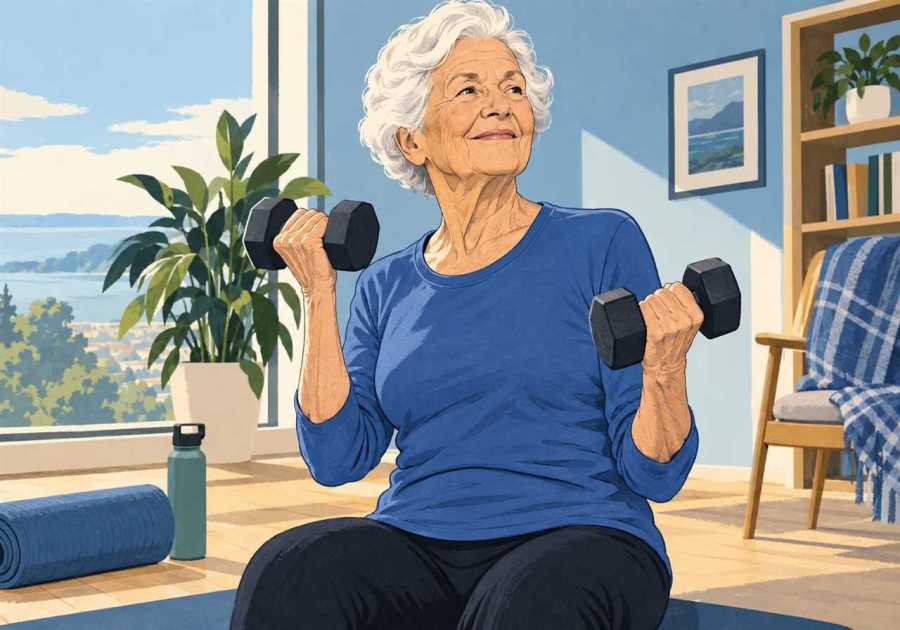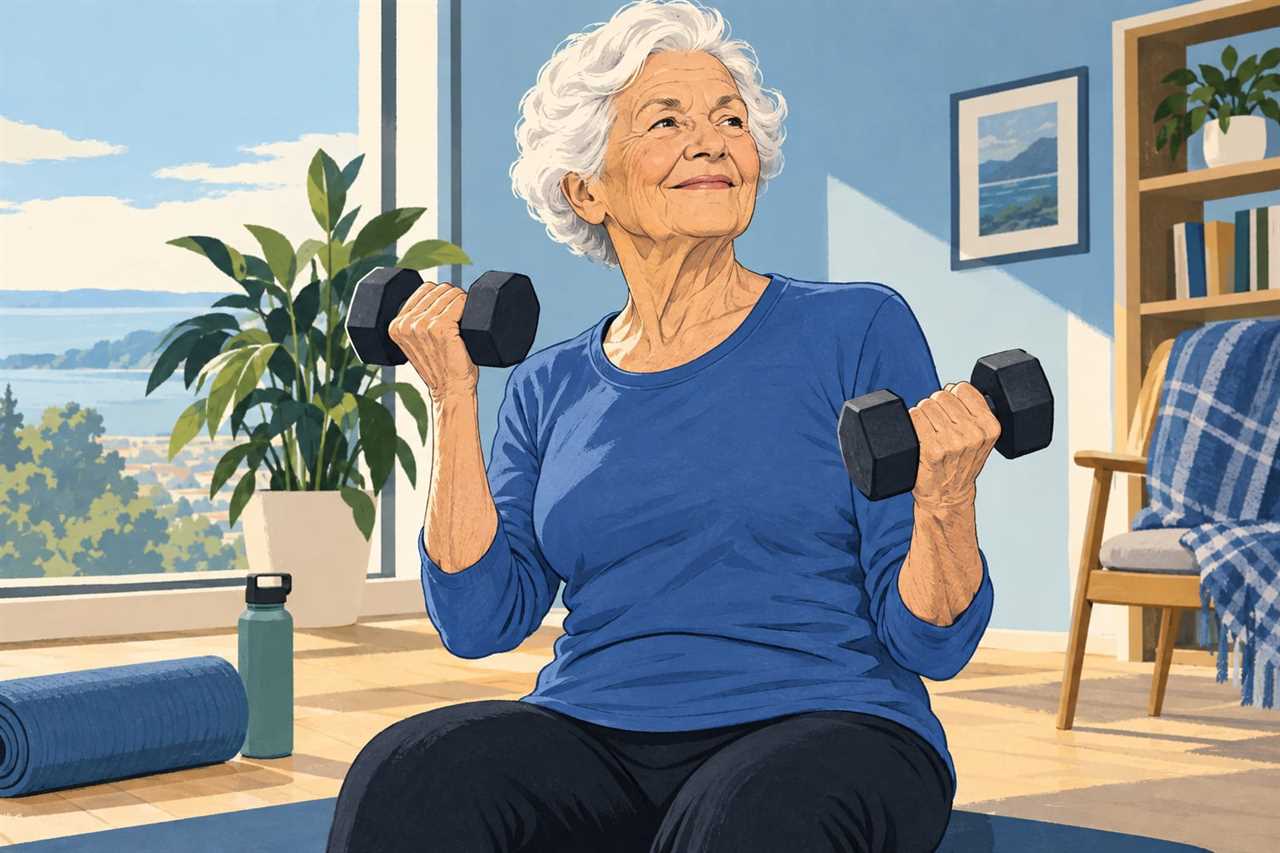
In 1990, researchers walked into a nursing home and found 10 residents in their 90s who could barely get out of a chair. Eight weeks later, after some basic leg exercises on a machine you'd find in any gym, some of them were walking without help. Standing up unassisted for the first time in years.
That stopped me in my tracks. Ninety years old, and their bodies still said yes.
I think about that a lot as I travel, because I meet people my age and younger who've already decided their best years are behind them. I'm almost 70, and I'm here to tell you: that's a choice, not a fact.
So I got curious about what strength training actually looks like for someone in their 60s, 70s, beyond. Turns out there's a trainer named Will Pate at Third Space gyms who specializes in exactly this. What he said made a lot of sense.
The Rules Don't Change, Just the Starting Line
"The principles are the same at 25 and 65," Pate says. "We build strength, build capacity, and progress gradually. What changes is where we start and how carefully we manage the weights someone is lifting."
That's it. That's the whole secret. No magic formula for older bodies, just more patience and better attention to detail.
Pate spends extra time with older clients figuring out what their body can actually tolerate. Old injuries, joint issues, surgeries. He wants the full history before he programs a single exercise. Then he picks movements that put force exactly where it should go and nowhere else. Machines, cables, supported positions. Not because older people are fragile, but because removing unnecessary balance demands lets you push the muscle hard without unnecessary risk.
What He Actually Trains
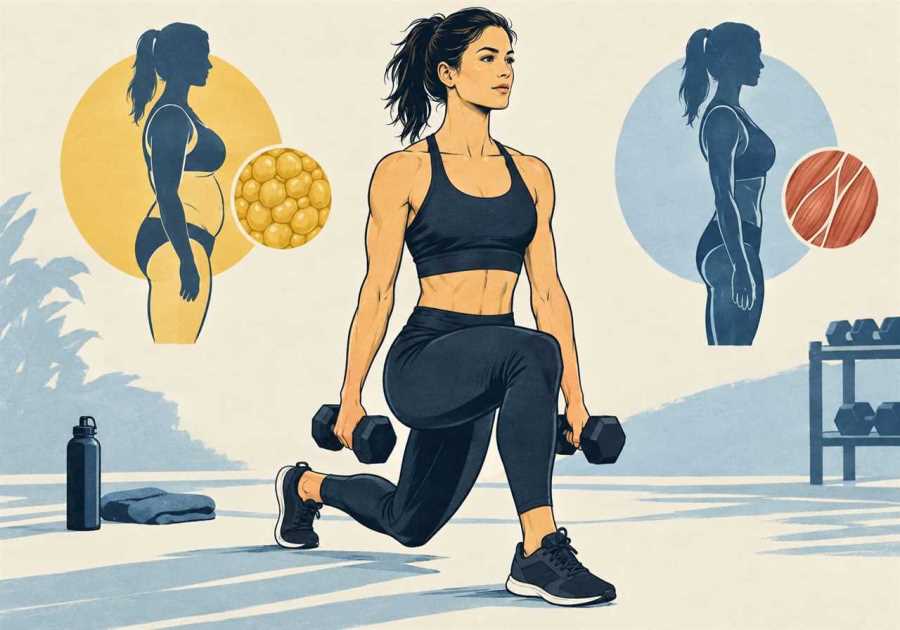
Pate starts with leg strength. Sit-to-stands, leg press, step-ups, split squats. Why? Because these are the muscles that get you out of a chair, up the stairs, off the floor. "Losing that ability is often where independence starts to slip," he says.
Independence. That word matters to me. It's the whole reason I keep moving, keep traveling, keep saying yes to the next adventure instead of the next doctor's waiting room.
Next comes pulling and grip work. Rows, carries. Grip strength, it turns out, is consistently linked to healthy aging. And carrying shopping bags or grandchildren isn't exercise-adjacent, it's exercise.
Then power. This is the one that surprised me. Power — producing force quickly — declines faster than raw strength as we age. But it's power that lets you catch yourself when you trip instead of falling. A faster sit-to-stand, a brisker step-up. Small stuff that keeps you upright when life throws you off balance, literally.
Finally, balance. Standing on one leg while brushing your teeth. Simple, free, and it works.
Nothing's Off Limits, Just Mismatched
I liked this line from Pate: "I don't avoid exercises — instead, I avoid mismatches." Almost any movement is doable once you've built up to it. The problem isn't the exercise. It's doing too much too soon before your body can control it.
Early on, he holds back on heavy jumping, max lifts, and deep end-range positions. Not forever. Just until the foundation's there.
The Free Stuff That Actually Works
You don't need a gym membership to start. Pate's list of low-cost habits: daily walks with a few brisk stretches mixed in, a protein-rich breakfast, carrying things whenever you can, two strength sessions a week.
Consistency beats intensity. Always has.
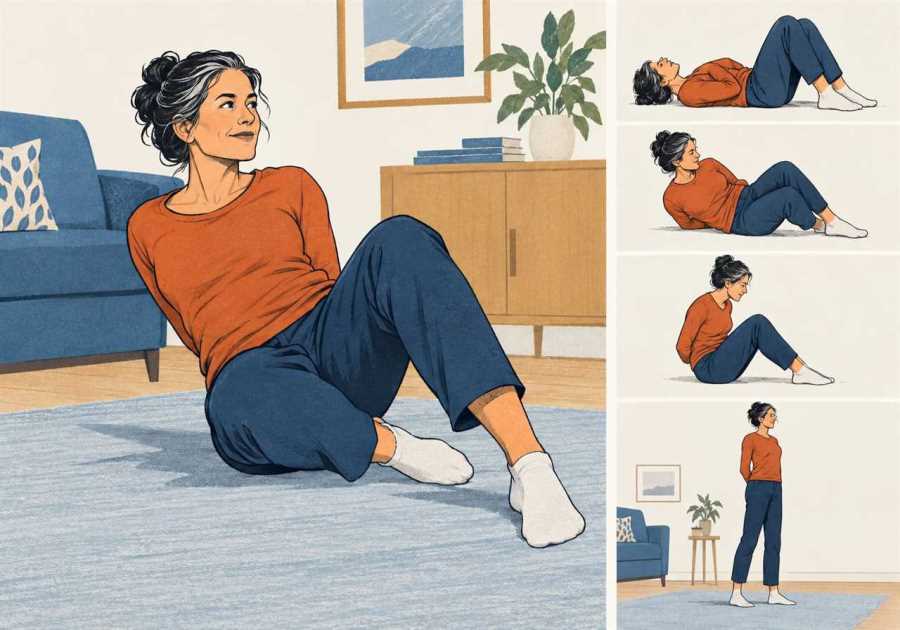
He also recommends something that sounds almost silly: practicing getting up off the floor. Just to keep that skill alive. And sleep — he calls it the best thing you can do for your health, at any age.
So What Do You Do With This?
Start lighter than your ego wants. Some soreness is normal, not damage. Tell your trainer or doctor about any joint replacements or conditions. Find someone who explains why you're doing each exercise, because understanding removes most of the fear.
I've learned that adventure isn't just about getting on a plane. Sometimes it's getting off the floor on your own, or carrying your own suitcase through an airport at 68 without thinking twice about it.
Your body's capable of more than you think. Those 90-year-olds proved that in eight weeks. What's stopping you from finding out what yours can do?
Source: The Independent
If you missed it: Loneliness Could Be Costing You Six Years of Good Health