Here's a number that stopped me cold: up to 50% of seniors in long-term care and assisted living have diagnosed depression or depressive symptoms affecting their daily life. That's not a small problem hiding in the corner. That's one out of every two people.
I've spent years watching older folks live big, full lives on the road. I've met 80-year-olds hiking volcanoes and 90-year-olds still driving their own motorhomes across the country. So when I see a stat like that, I ask the obvious question: why?
Dr. Keri Orstad, a family medicine physician who practices geriatrics and rehab care with Good Samaritan near Sioux Falls, South Dakota, has spent a lot of time trying to answer that. And her answer starts with something simple: we're missing the signs.
The Signs Families Miss
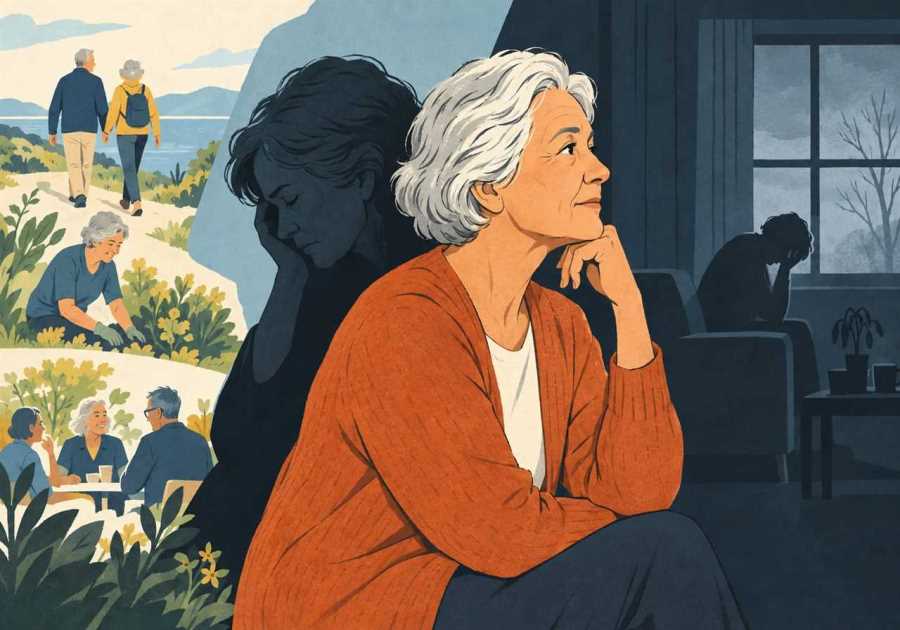
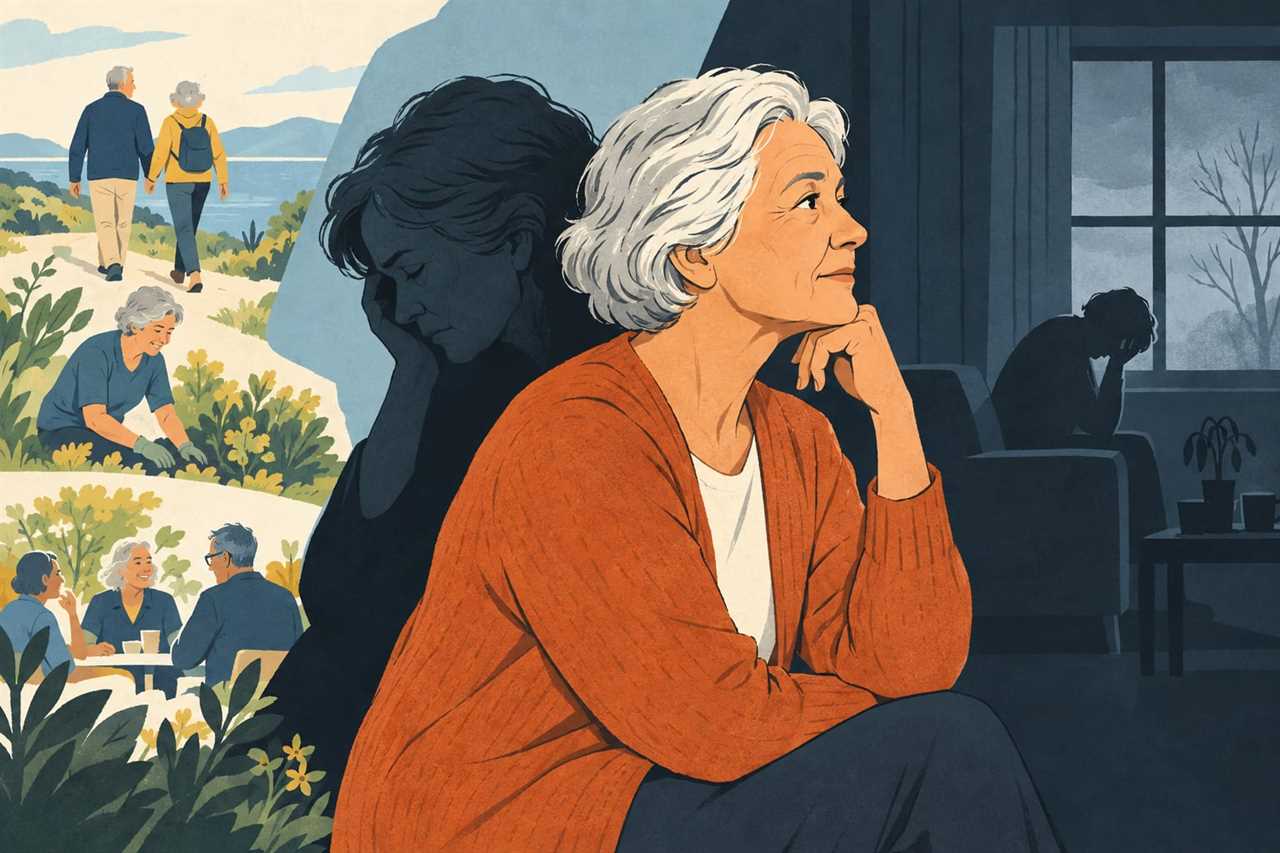
Depression in seniors doesn't always look like sadness. Sometimes it looks like Mom skipping bingo. Or Dad not wanting to get out of bed. Or a grandparent who used to call everyone suddenly going quiet.
Dr. Orstad says family members are usually the first ones to notice something's off. Increased irritability, cognitive changes, loss of interest in activities they used to love — these are the quiet warning signs. The problem is, we chalk a lot of it up to "just getting older."
She pushes back on that hard. "Depression is not a normal part of aging," she says. "It's a real treatable medical condition."
That distinction matters. If we assume depression is just what happens when you age, we stop looking for solutions. We accept it instead of treating it. And that's a dangerous habit.
Grief vs. Depression: There's a Difference
Losing a spouse, a sibling, a lifelong friend — that grief is real, and it's normal. Dr. Orstad says grieving tends to be tied to specific memories or situations. It peaks, then it fades over a couple of weeks.
Depression doesn't fade. It lingers for months. It steals appetite, sleep, memory, and the things a person used to enjoy. That's the line to watch for.
The Stakes Are Higher Than You Think
Here's where this gets serious. According to the CDC, adults 85 and older have one of the highest suicide rates of any age group, and men over 85 have the highest rate of any age and gender group, period.
A lot of people avoid bringing up suicide with an aging parent because they're afraid it'll plant the idea. Dr. Orstad says that's backward. Talking about it doesn't increase risk — it increases the chance someone gets help.
And the treatment gap is real. Research from the National Institutes of Health shows untreated depression runs 40 to 50% in adults under 65. Past age 65, that number jumps to nearly two out of three people. A lot of that, Dr. Orstad says, comes down to isolation — not reaching out, not knowing where to turn, not having anyone notice.
What Actually Helps
The fix isn't complicated. It starts with a conversation. Noticing the change, and saying something about it.
"It's the human connection that they're missing," Dr. Orstad says. Showing someone you care, that you're paying attention, can open the door.
From there, encourage them to talk to their doctor — and offer to go with them. Having someone in the room who can describe the changes they've seen makes a real difference.
Caregivers matter here too. At places like Good Samaritan, staff often know residents well enough to flag changes to family or providers. It takes a village, as Dr. Orstad puts it.
Medicare already requires quarterly depression and cognitive screenings in long-term care facilities. For seniors living independently or in assisted living, an annual wellness visit is the moment to ask about it.
Treatment isn't one-size-fits-all. Medication helps some people. Counseling helps others. Combine both, Dr. Orstad says, and the improvement can be even greater.
Keep Paying Attention
I've learned that staying curious, staying connected, and staying active are what keep life interesting at any age — mine included, and I'm closing in on 70. But none of that works if depression goes unnoticed and untreated.
If you've got an older parent, neighbor, or friend who's pulled back lately, don't assume it's just age. Ask. Show up. Go with them to the doctor if they'll let you.
And if you or someone you love is struggling, the Suicide and Crisis Lifeline is available 24/7 — call or text 988, or chat at 988lifeline.org.
Source: Sanford Health News
Related reading from us: Why You Feel the Cold More Now Than You Did at 30