Here's a stat that stopped me mid-coffee: men who break a hip are more likely to die from complications than women who break a hip. Not less likely. More.
That seems backwards, right? We've all heard osteoporosis is a "women's disease." Half of women will develop it by age 50, compared to about 20% of men. So the assumption makes sense on the surface. But assumptions are exactly the kind of thing worth poking at.
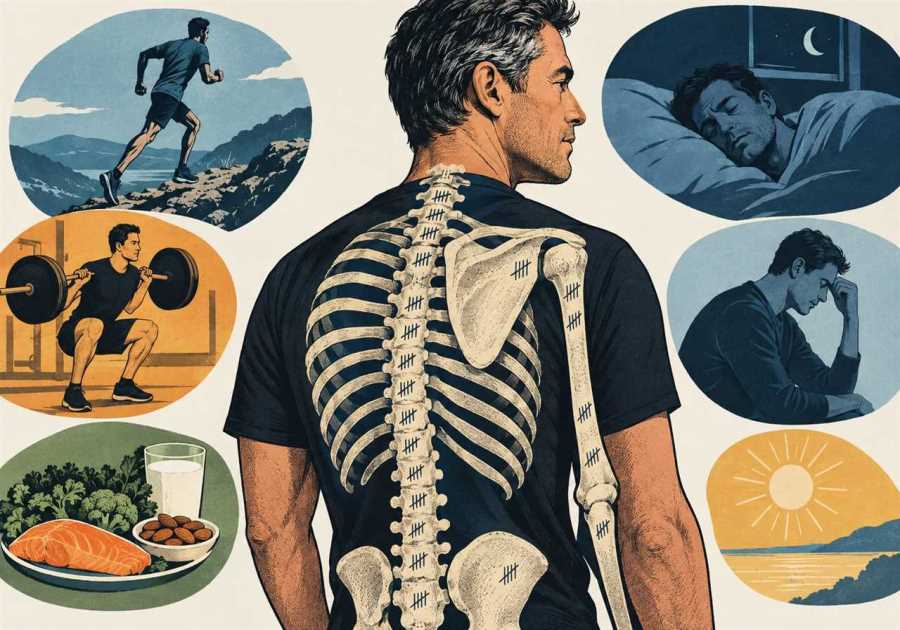
Turns out men just get a later start on the problem, not immunity from it. Men build up more bone density in their younger years, and they lose it slower than women do. So the clock ticks differently, but it still ticks. And when a man finally does have a serious fracture, often later in life, his odds of surviving the fallout are worse. Part of that comes down to something frustratingly simple: men get screened for bone density far less often than women. Less screening means later diagnosis, and later diagnosis means less time to do anything about it.
I'm closing in on 70, and I'll admit bone health wasn't exactly top of mind until I started reading into this. I've spent the last several years hiking mountain trails, hauling gear through airports, and generally putting my skeleton to work in places far from a doctor's office. That lifestyle only works if the structure underneath it holds up. So this isn't abstract to me. It's maintenance.
What Actually Builds Strong Bones
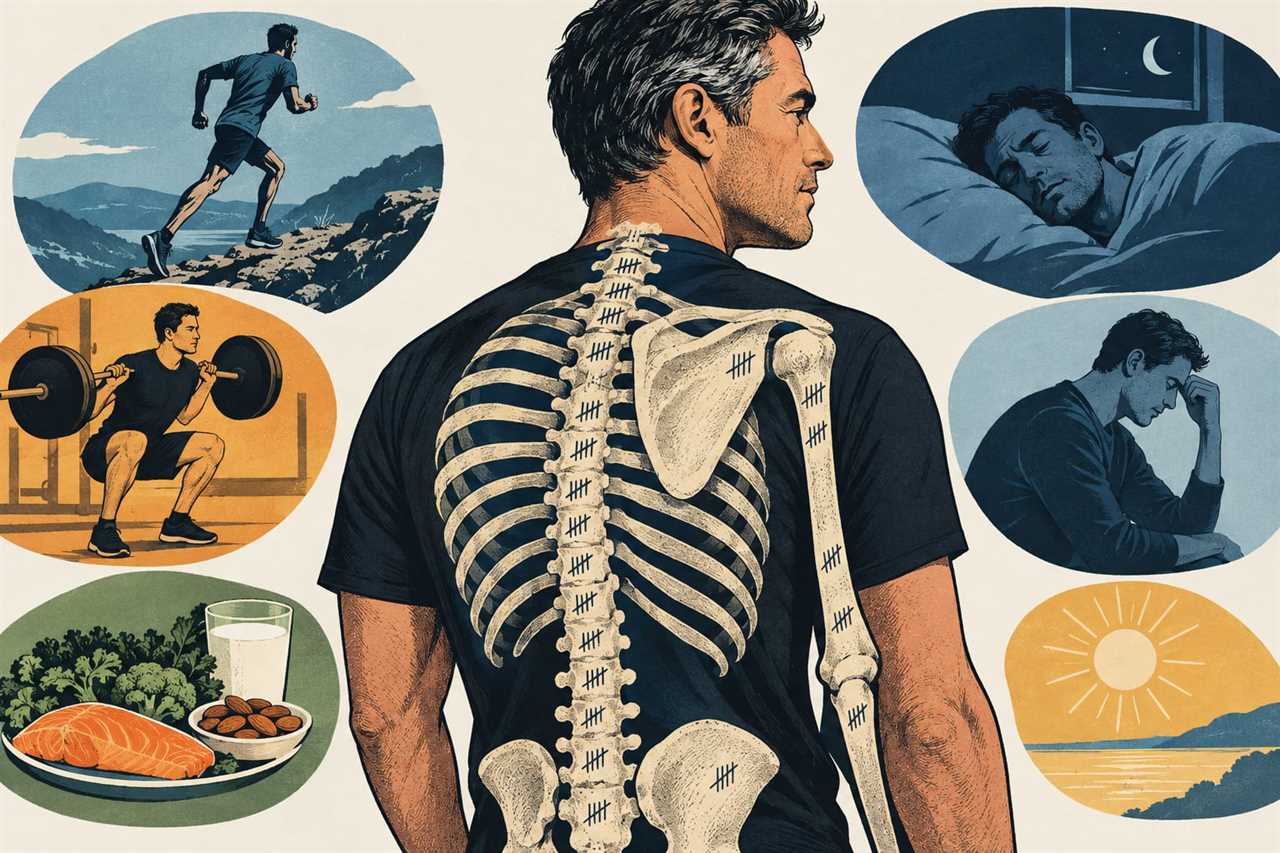
Calcium and magnesium are the heavy lifters in bone mineral matrix, and most diets fall short on both. Calcium alone hasn't shown consistent benefit for fracture prevention, but pair it with vitamin D and the research gets interesting — fracture risk drops 5 to 15% overall, and 13 to 30% for hip fractures specifically. That's not a small difference. That's the kind of number that changes how you think about your morning supplement routine.
Testosterone plays a role too. As levels decline with age, bone density tends to follow, though researchers admit the link to full-blown osteoporosis is murkier than you'd expect. One study even found that calcium supplementation boosted the testosterone response to exercise. So lifting weights and taking your calcium might be doing double duty without you realizing it.
Then there's a connection I didn't see coming: bone density and heart health are tangled up with each other. Studies found that low bone density in the hand bones predicted cardiovascular mortality in men aged 45 to 74, and low hip density did the same for men 65 to 76. Vitamin K deficiency shows up in both conditions, likely because of how certain proteins use it to manage calcium in the body. Your skeleton and your heart, it turns out, are reading from the same nutritional script.
Diet matters more than most people give it credit for. Protein combined with calcium and vitamin D appears to slow bone loss and cut fracture risk, especially for people already eating a lot of protein. And don't write off dairy. Fermented versions like yogurt and cheese may lower hip fracture risk by 10 to 25% for every 200 grams of yogurt or 20 grams of cheese consumed regularly.
The Gut Factor
Here's the part that genuinely surprised me: your gut bacteria may be shaping your bones. Certain microbial byproducts called short-chain fatty acids — propionate, butyrate, acetate — seem to slow down the cells that break bone tissue down. Diets like the Mediterranean diet encourage production of these compounds, and research links a healthy mix of pre- and probiotics to lower hip fracture rates. It's one more reminder that the body doesn't work in silos. What you eat for your stomach ends up affecting your skeleton years down the road.
So What Do You Do With This
You don't need to overhaul your life overnight. Get screened, especially if nobody's ever mentioned bone density to you. Add resistance exercise if you haven't already. Look at your calcium, vitamin D, and magnesium intake honestly. And maybe reconsider that block of cheese as something more than a snack.
I've learned that the adventures I want to keep having depend on a body that can still carry me there. Bones included. What happens if you start treating yours like infrastructure instead of an afterthought? Probably a lot more good years on the trail.
Source: Nutritional Outlook
Before this, we covered: Turns Out Grandma's Steak Dinner Might Be Onto Something