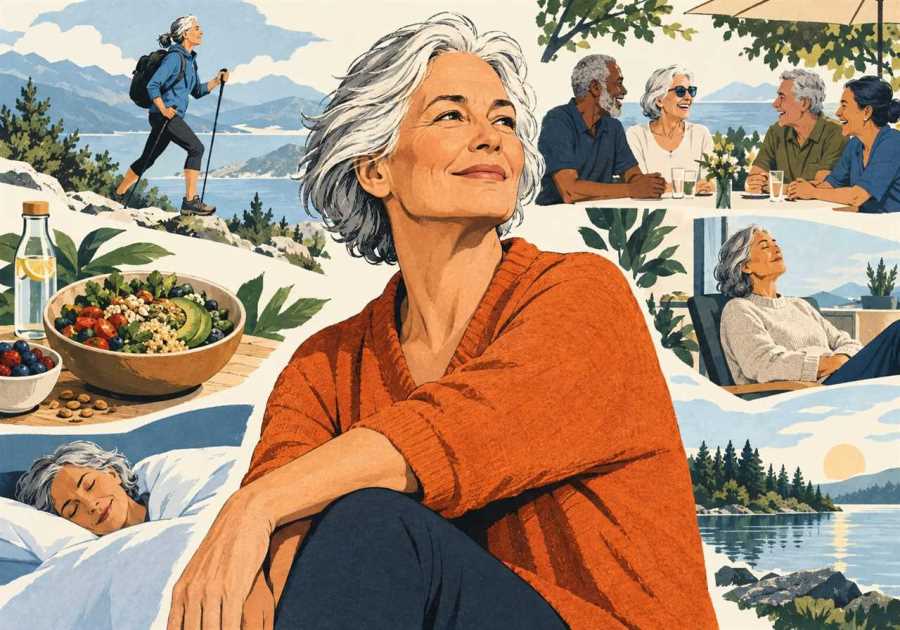
I've met 80-year-olds hiking mountain trails and 50-year-olds who can barely climb a flight of stairs. So what's the difference? Turns out it's not luck. It's habits.
There's a word showing up everywhere in health circles lately: longevity. And no, it's not another diet fad or gym gimmick that'll vanish in six months. It's a genuine shift in how we think about getting older.
Here's the thing that got my attention. For decades, medicine focused on lifespan, just keeping you alive longer, even if that meant more years hooked to medications and managing chronic illness. Longevity flips that around. The real target is "healthspan." Not just more years, but more life packed into those years. Strong body, sharp mind, real vitality at 80, 90, and beyond.
That's a goal I can get behind.
Why Aging Isn't Set in Stone
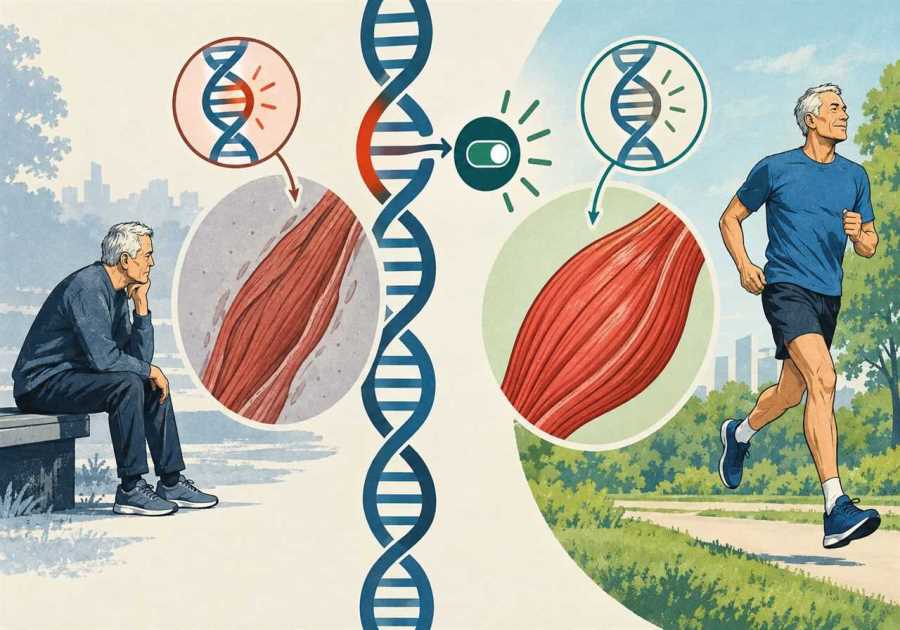
Researchers are finding that aging isn't some fixed countdown clock. It's a biological process, and processes can be influenced. Cellular damage builds up over time. Chronic low-grade inflammation creeps in. Our mitochondria, the tiny power plants inside our cells, lose efficiency. All of that drives age-related disease.
But here's the fascinating part: the body has its own cleanup crew. It's called autophagy, a process where cells literally clean out their own waste and repair themselves. The question becomes, how do we trigger it?
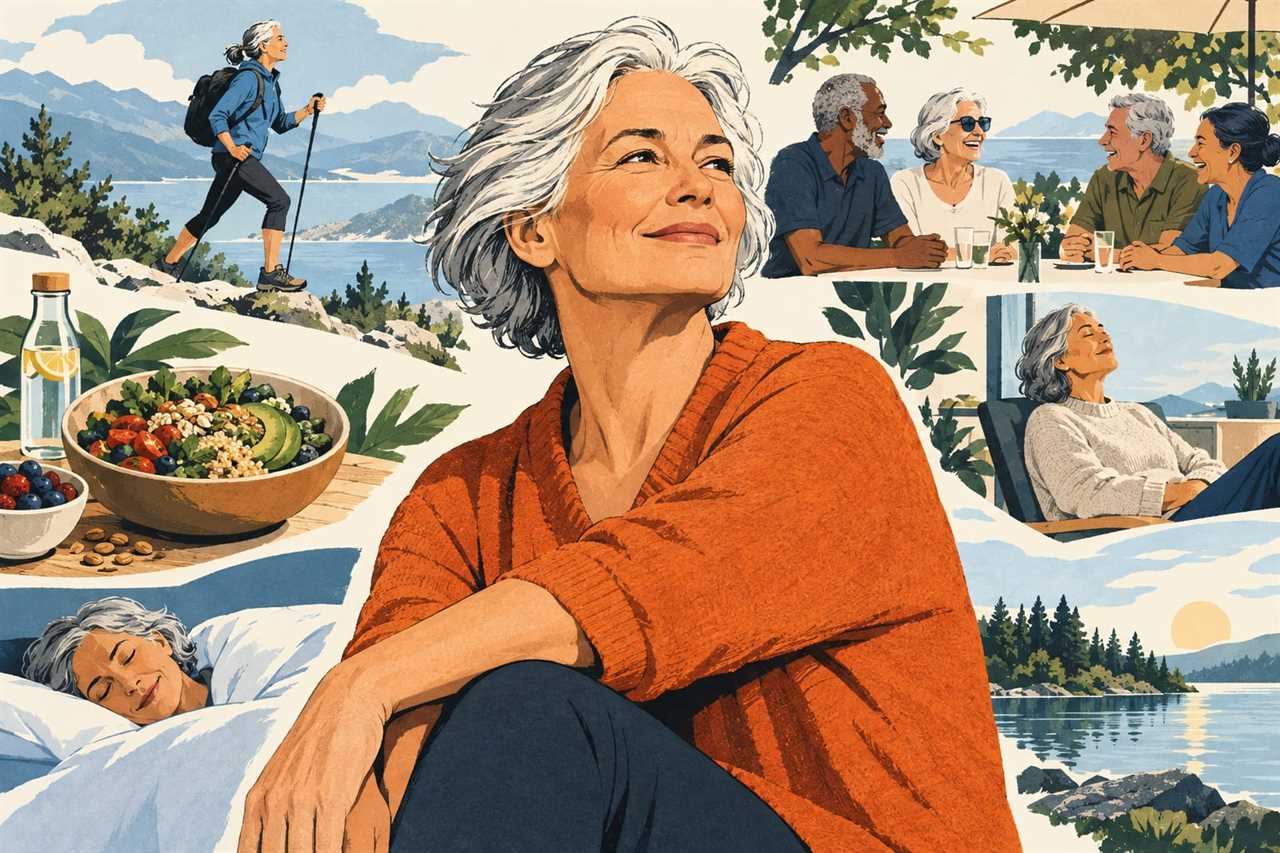
Turns out, you don't need a lab or a fortune in supplements. Four everyday habits do most of the work.
Four Habits That Actually Move the Needle
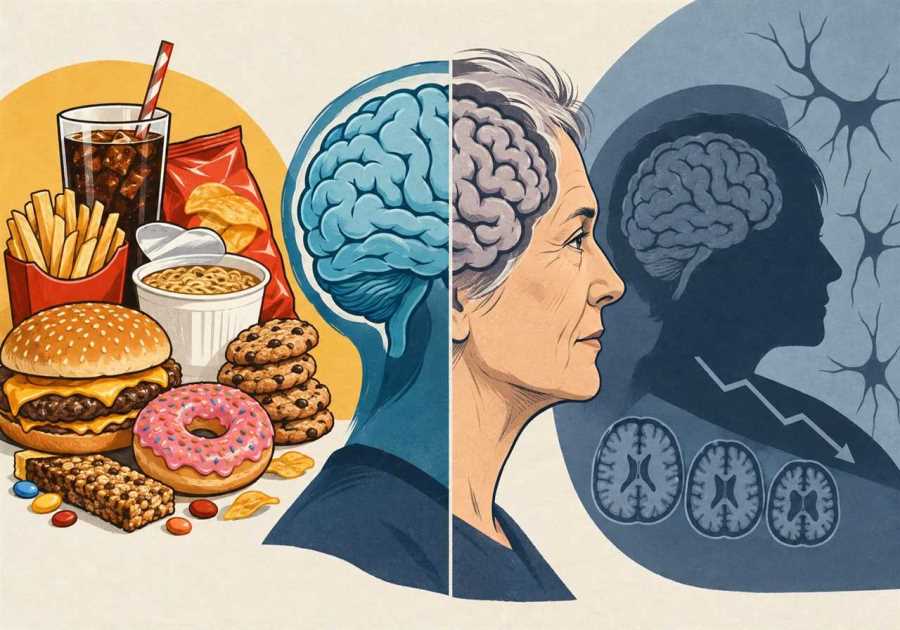
Eat mindfully, and give your gut a break. Plant-based foods, healthy fats, less processed junk and sugar. Pair that with something like 16/8 intermittent fasting, eating within an eight-hour window, say 1 to 9 p.m., and fasting the rest while sipping water, tea, or black coffee. That break gives your digestive system rest and speeds up cellular cleaning.
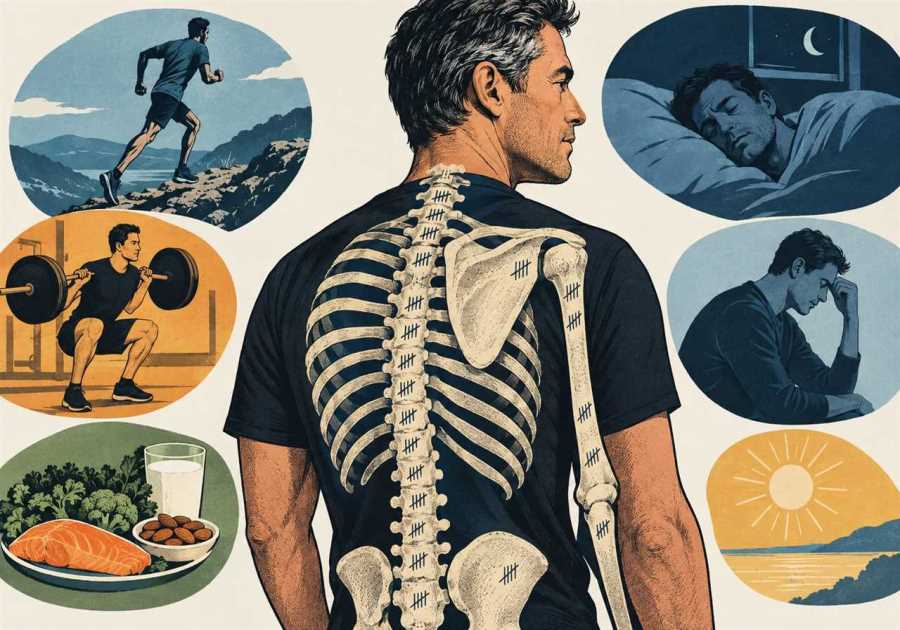
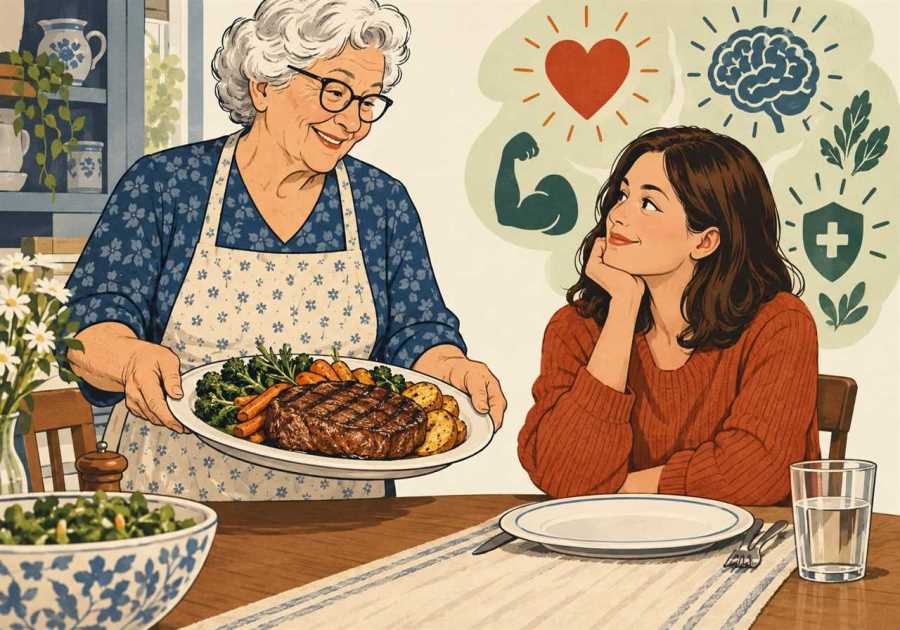
Train smart, not just hard. The winning combo is low-to-moderate aerobic activity, what researchers call "Zone 2," think brisk walking or cycling, combined with resistance training. The strength work matters more as we age because it's what prevents muscle and bone loss. Pay attention to protein intake too, though it's worth talking to a specialist before overhauling your diet.
Protect your sleep like it's sacred. During deep sleep, your brain clears out toxins and your body releases the hormones that handle rebuilding. Skip that, and you're skipping your body's main repair window.
Manage stress on purpose. Chronic stress ages you at the cellular level. Breathing exercises, meditation, time outdoors, even prayer. These aren't just feel-good extras. They slow down the frantic pace modern life throws at us.
None of these four habits require special equipment. They just require consistency, which, let's be honest, is the hard part.
What the Blue Zones Taught Us
Researchers studying the "Blue Zones," places like Ikaria in Greece and Okinawa in Japan, found something interesting. These are regions where far more people live to 100, and do it in good health. Sure, diet and daily movement play a role. But the biggest common thread wasn't food. It was connection.
Strong social ties. Close family relationships. A clear sense of daily purpose. Studies keep linking that sense of meaning directly to how long and how well people live.
That tracks with something I've noticed traveling full-time since 2017. The people I meet on the road who seem the most alive, regardless of age, are the ones still curious, still connected, still asking "what's next?"
The Bigger Shift
The real story here is medicine moving from reactive to preventive. Instead of waiting for something to break, more tools now exist for catching problems early, comprehensive blood work, real-time health tracking, personalized supplements.
But none of that replaces the basics. There's no magic pill. Healthy aging comes down to small decisions, repeated daily. What you eat. How you move. How you sleep. Who you stay connected to.
I'm closing in on 70, and if there's one thing I've learned, it's that age isn't the limitation people assume it is. The habits you build today are the adventure you get to have tomorrow.
So what's one small change you could start this week?
Source: JFeed
Related reading from us: Men, Your Bones Are Quietly Keeping Score