What's the point of living to 95 if you can't walk to the mailbox?
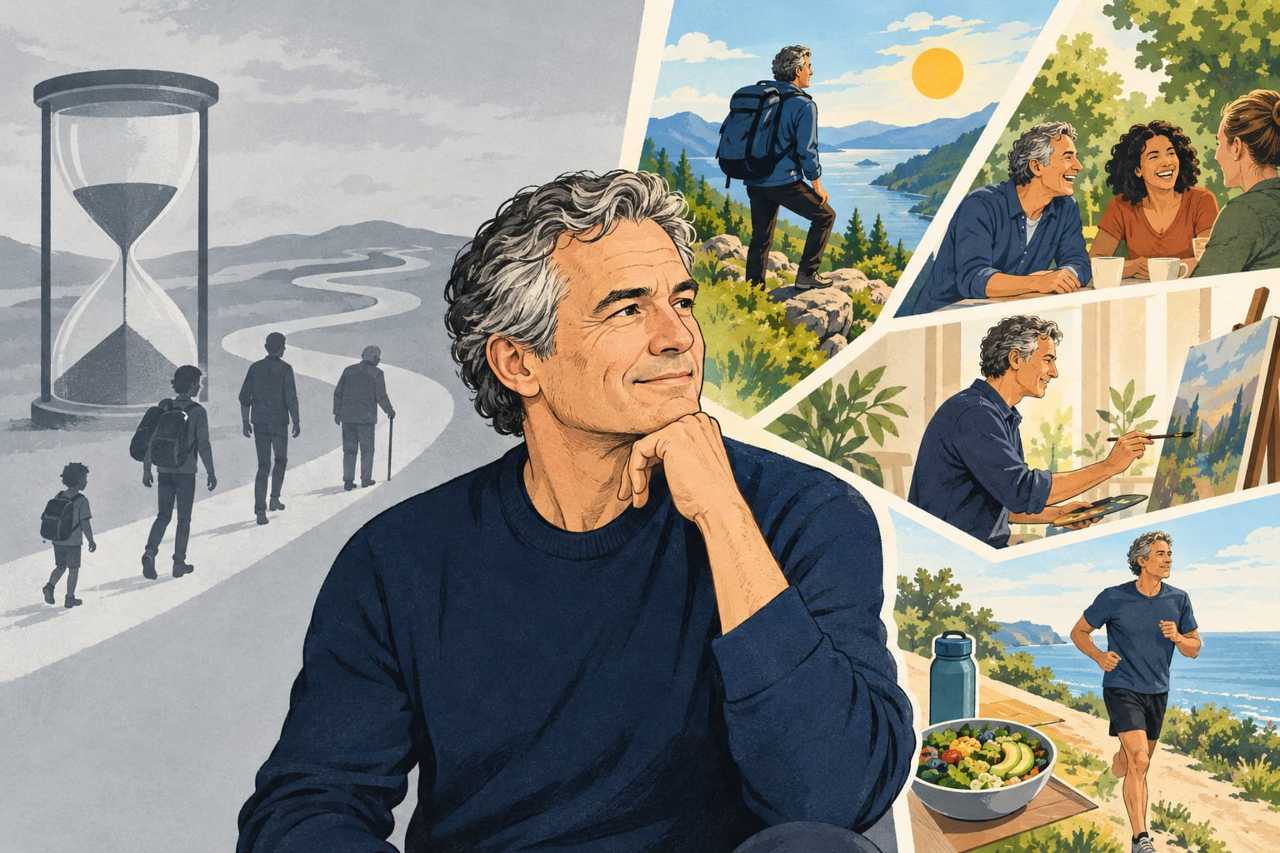
That question sits at the heart of something Ian Clark talks about a lot. Clark works in the wellness industry, not as a doctor, but as someone who's spent years studying what actually keeps people vital as they get older. He's got a term for it: "quality span." Not how long you live. How well you live while you're living.
I like that distinction. I'm closing in on 70 myself, and I've met plenty of people who hit their 80s and 90s but spend those years shuffling between the couch and the doctor's office. That's not the goal. The goal is still being able to hike a trail, catch a flight, learn something new, or just chase your grandkids around the yard.
So how do you get there? According to Clark, the answer isn't some exotic supplement or biohacking gadget. It's boring. Refreshingly boring.
The Basics, Done Consistently
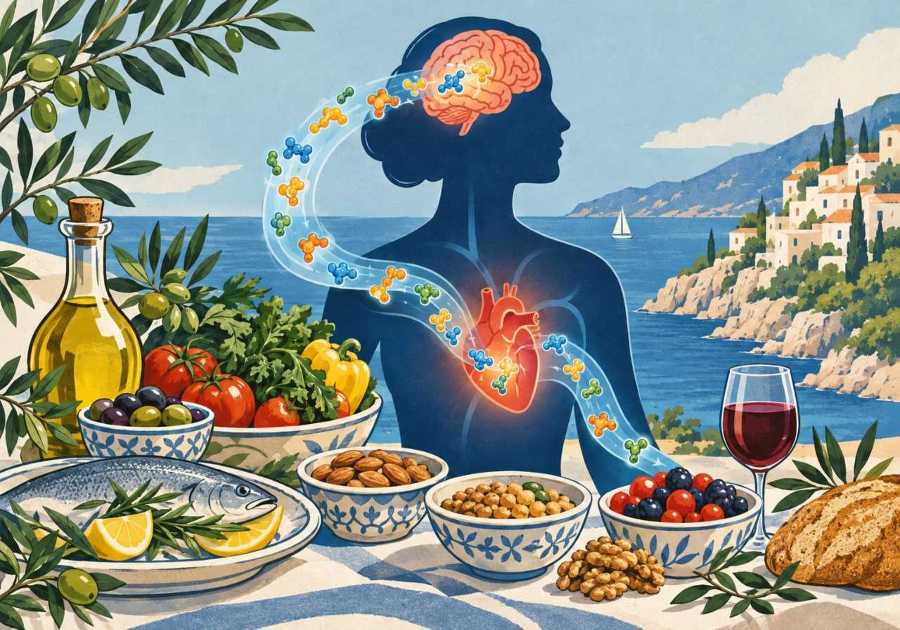
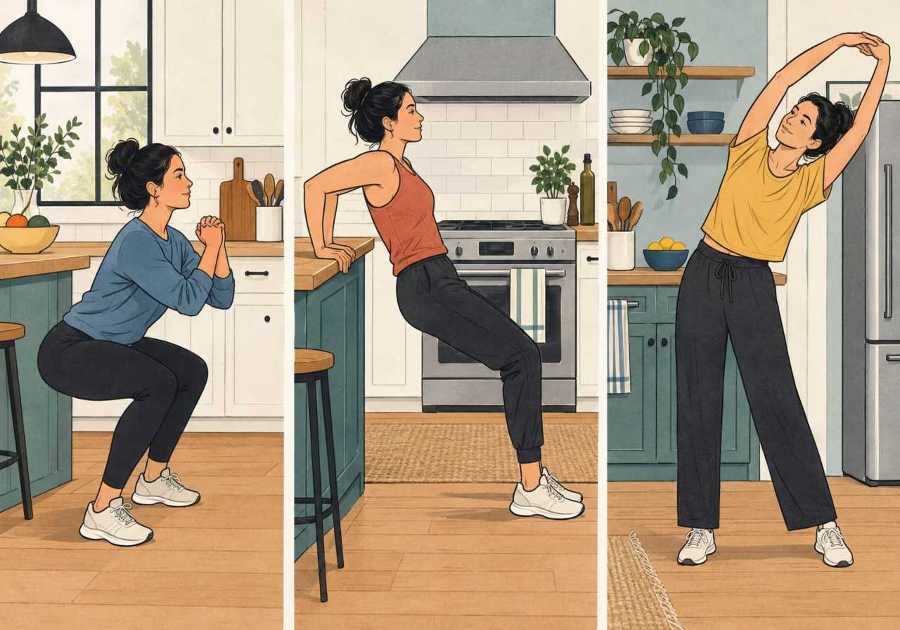
Clark breaks it down into five things: restorative sleep, proper hydration, daily movement, sound nutrition, and a healthy mental outlook. That's it. No secret formula, no miracle pill.
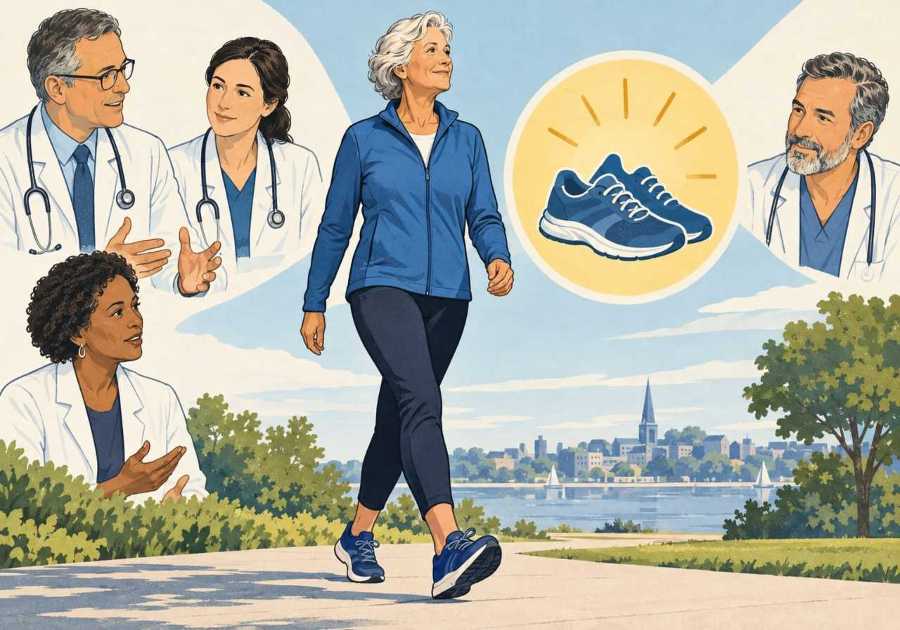
He's especially fired up about walking. Clark says he personally works toward 20,000 steps a day, where it makes sense for his schedule and body. That's roughly 9 or 10 miles, depending on your stride. Why so much? Because he says movement drives circulation, metabolism, mobility, and overall vitality.
Now, 20,000 steps sounds like a lot if you're sitting at a desk job. But here's the thing — walking is one of the few health habits that scales with your life. You don't need a gym membership. You don't need equipment. You just need shoes and somewhere to go.
I've found that out the hard way, traveling full-time since 2017. Some of my best days on the road aren't the ones where I checked off a bucket-list sight. They're the ones where I walked a city for hours with no real destination — just curious about what was around the next corner. Lisbon. Hanoi. A random hill town in Portugal I can't even pronounce. My legs were tired, but I felt more alive than I had in weeks sitting still.
Clark's point lines up with that experience. He says the strongest scientific evidence backs up exactly these fundamentals: consistent physical activity, sufficient sleep, balanced nutrition, and healthy cardiovascular and metabolic function. Nothing flashy. Just the stuff your grandmother probably told you to do.
Why This Matters More as You Get Older
Here's the thing about aging that nobody really tells you until you're living it: it's not a wall you hit. It's a slope. And the steepness of that slope depends a lot on what you do every single day, starting now, not someday.
I didn't slow down at 60. I didn't slow down at 65 either. Part of that is luck, sure. But part of it is treating movement as non-negotiable instead of optional. When you're on the road, climbing steps in an old European church tower or navigating a trail in New Zealand, your body either cooperates or it doesn't. You find out fast which habits actually paid off.
That's why "quality span" is a better goal than lifespan. Lifespan is a number on a chart. Quality span is whether you can still say yes to the adventure in front of you.
What You Can Actually Do With This
You don't need to hit 20,000 steps tomorrow. Start where you are. Add a walk after dinner. Take the stairs. Park farther away on purpose — I still do that, and I get a little smug satisfaction every time.
The bigger question worth asking yourself is this: are you building habits today that let you say yes to things in ten years? Because that's really what healthy aging comes down to. It's not about fighting the clock. It's about staying capable enough to keep moving toward whatever's next.
What's one habit you could start this week that your future self would thank you for?
Source: finchannel
Still catching up? Start with Six Things You've Been Told About Aging That Just Aren't True