I'm closing in on 70, and I've got a simple rule for my body: it has to keep up with my plans, not the other way around.
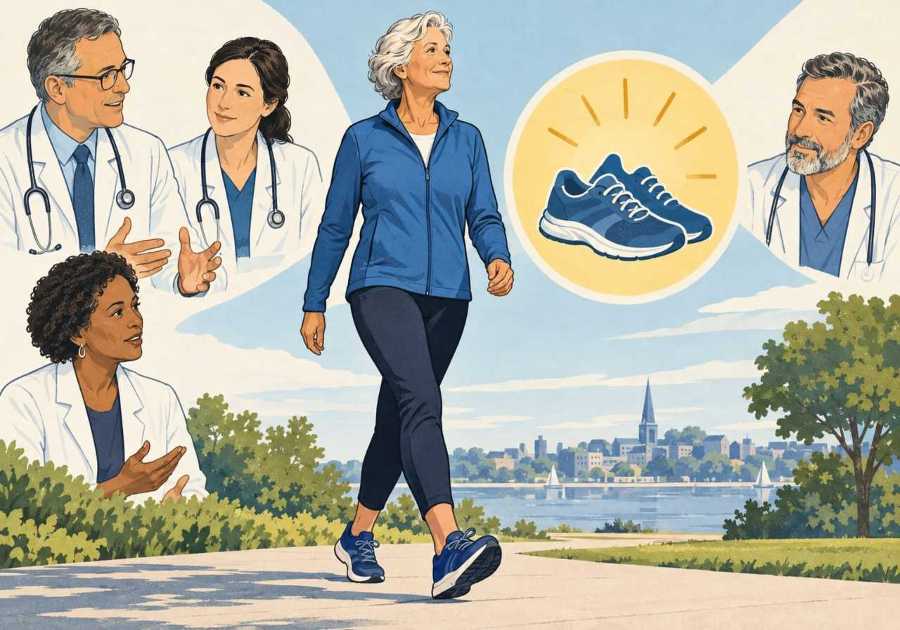
That's why a story out of the Orange County Register caught my eye. Dr. Abdullah Ibish, a neurologist at the MemorialCare Neuroscience Institute at Saddleback Medical Center, wrote about stroke prevention for older adults. And here's the part that stuck with me: most strokes are preventable. Not all. Most.
If you're planning to keep moving, keep traveling, keep doing the things that make life interesting, that's worth ten minutes of your attention.
Know Your Numbers Before They Know You
Dr. Ibish lists the usual suspects behind stroke risk: high blood pressure, diabetes, atrial fibrillation, high cholesterol, inactivity, and smoking.
High blood pressure tops the list as the leading cause of stroke. And it's sneaky. It's often called the "silent condition" because you can be walking around with dangerously high numbers and feel completely fine. No warning. No symptom. Just a ticking clock.
So how do you catch something that doesn't announce itself? You check.
Dr. Ibish's advice is straightforward: see your primary care doctor at least once a year, get your blood work done, and actually look at the results with someone who can explain them. Blood pressure, blood sugar, total cholesterol, LDL, HDL, triglycerides. These numbers tell a story about what's happening inside you long before you'd ever feel it.
I've met plenty of people on the road who skip checkups because they're "too busy living." I get the impulse. But what's the point of chasing adventure if you're ignoring the one piece of equipment that makes adventure possible?
Small Changes, Real Payoff
Here's the part I appreciate most about Dr. Ibish's advice: he's not asking anyone to overhaul their life overnight.
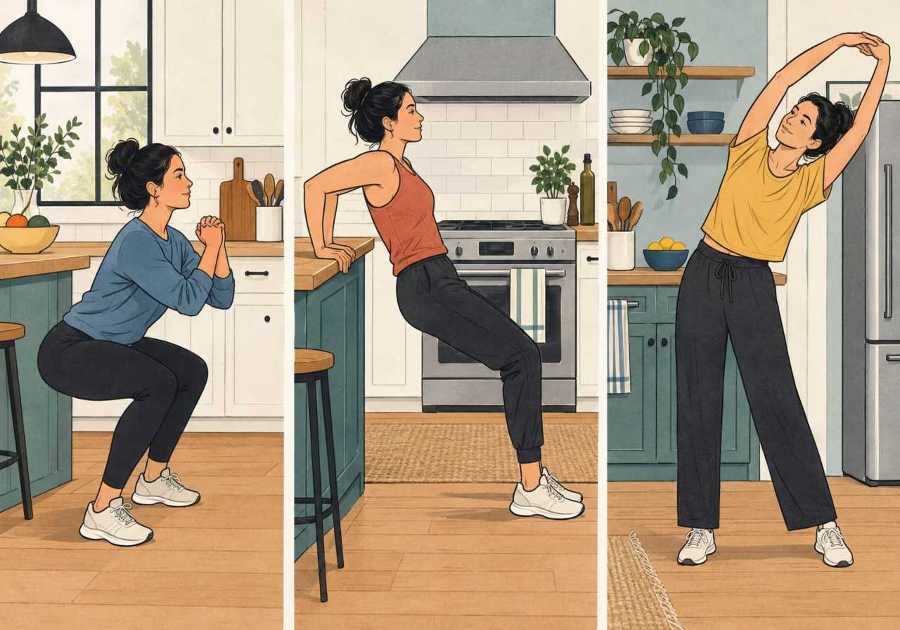
Take your medications as prescribed, especially for conditions like high blood pressure or AFib. Move most days of the week, even if that's just a brisk walk, some stretching, or water aerobics. Thirty minutes, most days. Eat more fruits, vegetables, whole grains, and lean protein, and go easy on salt and processed food. Keep your follow-up appointments. Skip the cigarettes and cut back on alcohol.
None of that is revolutionary. It's just consistent. And consistency, not intensity, is what protects your brain over the long run.
What strikes me is the connection Dr. Ibish makes between these habits and independence. He's not talking about adding years to a life spent sitting still. He's talking about staying capable enough to walk to the park, play with your grandkids, or, in my case, catch a flight somewhere I've never been.
Age isn't the obstacle here. Neglect is.
When Minutes Matter: BE FAST
Even with every healthy habit in place, strokes can still happen. That's why recognizing the warning signs matters just as much as prevention.
Dr. Ibish uses the acronym BE FAST:
Balance — sudden loss of balance or coordination. Eyes — sudden trouble seeing in one or both eyes. Face — one side droops or goes numb. Arms — one arm feels weak or drifts down. Speech — slurred or hard to understand. Time — call 911 immediately.
He also mentions sudden confusion, dizziness, or a severe headache that comes out of nowhere as other possible signs.
His phrase for this is simple and a little chilling: "Time is brain." The faster emergency care starts, the better the odds of limiting damage. Don't wait to see if symptoms pass. Don't drive yourself to the hospital. Call 911 and let the professionals figure out what's happening and treat it fast.
Why This Matters If You're Still Moving
I didn't start traveling full-time until I was in my 60s, and I plan on doing it for a long time yet. That only works if I treat my health like part of the itinerary, not an afterthought.
Stroke prevention isn't glamorous. It won't make a highlight reel. But it's the quiet maintenance that keeps the adventurous life possible.
So here's my question for you: when's the last time you actually knew your numbers? Not guessed. Knew.
Go find out. Then go book that trip.
Source: Orange County Register
If you missed it: Health Experts Reveal The 1 Thing They Wish Their Older Patients Would Do