I forgot a name last week. Not a stranger's name — someone I'd known for years. Stood there blank for a good ten seconds before it came back.
Twenty years ago, I wouldn't have thought twice about it. Now, closing in on 70, I notice it. And I ask the question a lot of people my age ask themselves: is that just getting older, or is it something I should actually worry about?
Turns out that question has a real answer. And knowing it matters more than most of us realize.
The difference between a slow morning and a real warning sign
Normal aging slows you down. You take a beat longer to recall a word. You walk into a room and forget why. You misplace your keys and find them in the fridge. Annoying, sure. But it's not the same as forgetting how to get home from a place you've driven to a hundred times, or not recognizing your own daughter.
That's the line doctors are drawing now, and it matters because Alzheimer's doesn't show up overnight. It builds for years, sometimes decades, before anyone notices anything's wrong. By the time memory loss becomes obvious, changes in the brain have often been happening for a long, long time.
Which raises the real question: if you could know your risk earlier, would you want to?
Risk isn't destiny
Here's what I've learned digging into this. Your risk comes from a mix of things — genetics, sure, but also blood pressure, hearing loss, sleep quality, how much you move your body, whether you're socially engaged or isolated, even your education level. Some of that you can't touch. A lot of it you can.
That's the part that gets me curious instead of scared. If risk is partly something you build or avoid over time, then it's not a sentence — it's a set of choices. And choices are something I understand. I've spent the last several years making unconventional ones on purpose.
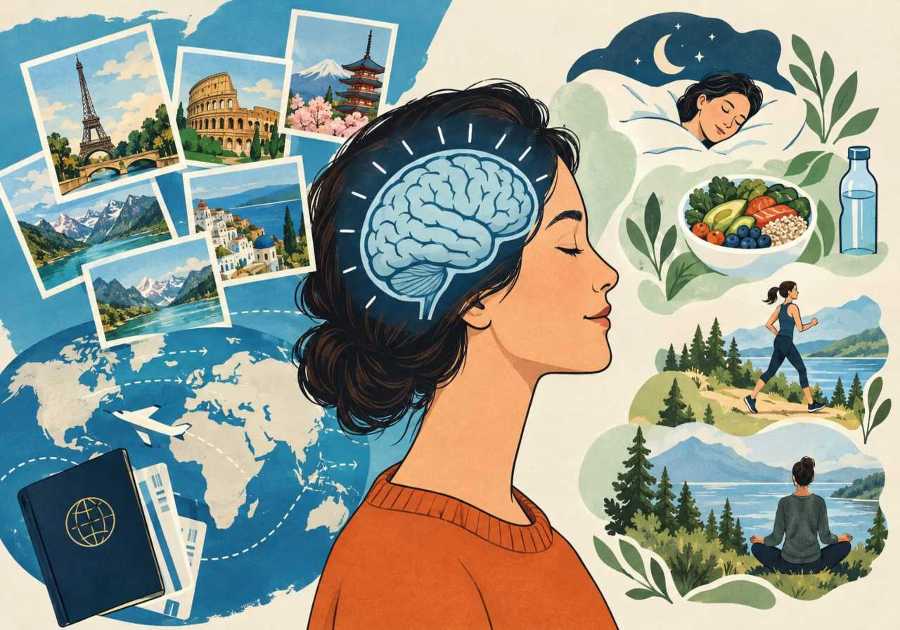
I left a traditional, settled life behind in 2017 to travel full-time. People sometimes ask if I worry about slowing down, about my brain "getting old" out there on the road with no routine, no home base, no familiar neighborhood to anchor me. Honestly, I think it's the opposite. New places force new thinking. New languages, new maps, new problems to solve on the fly — figuring out a transit system in a country where I don't speak the language is not exactly a passive afternoon for my brain.
Researchers call that "cognitive reserve." Basically, the more you challenge your brain with new, complex experiences, the more backup capacity it builds. Doesn't make you immune. But it's one more reason adventure isn't frivolous — it might be functional.
Knowing early changes what you can do about it
So why does knowing your risk actually help, instead of just making you anxious?
Because action beats waiting. If you find out early that your blood pressure's a contributing risk, you can manage it. If it's hearing loss — which researchers increasingly link to cognitive decline — you can get hearing aids instead of just turning the TV up. If it's isolation, you can go find people, places, and purpose. That's a treatable condition too.
There are also screenings and blood-based tests now that can flag biological markers years before symptoms show. That used to require invasive, expensive testing. Not anymore. The science is moving fast, and it's moving in a direction that favors the curious — the people willing to ask their doctor the uncomfortable question instead of avoiding it.
I get that it's tempting to just not look. I understand the instinct. But not knowing doesn't protect you from the thing. It just delays your ability to do something about it.
What I'm doing with this
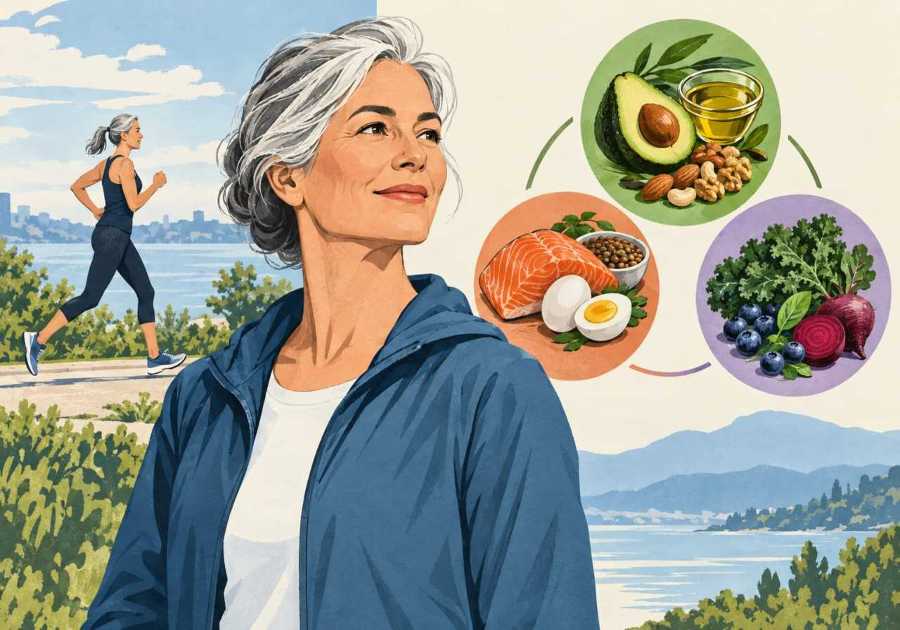
I'm not waiting around to find out what happens if I ignore it. I move. I stay social. I keep learning new things — new cities, new skills, new conversations with strangers who become friends. I treat my brain like a muscle, because apparently it kind of is one.
Age was never the limitation I was told it would be. Maybe risk doesn't have to be either — not if you look at it early and actually do something with what you find.
So here's the question worth asking yourself this week: when's the last time you talked to your doctor about this, honestly? Not out of fear. Out of curiosity. That's usually where the good decisions start.
Source: Sun Sentinel
Missed the last one? Is That Protein Shake Actually Aging You Faster?