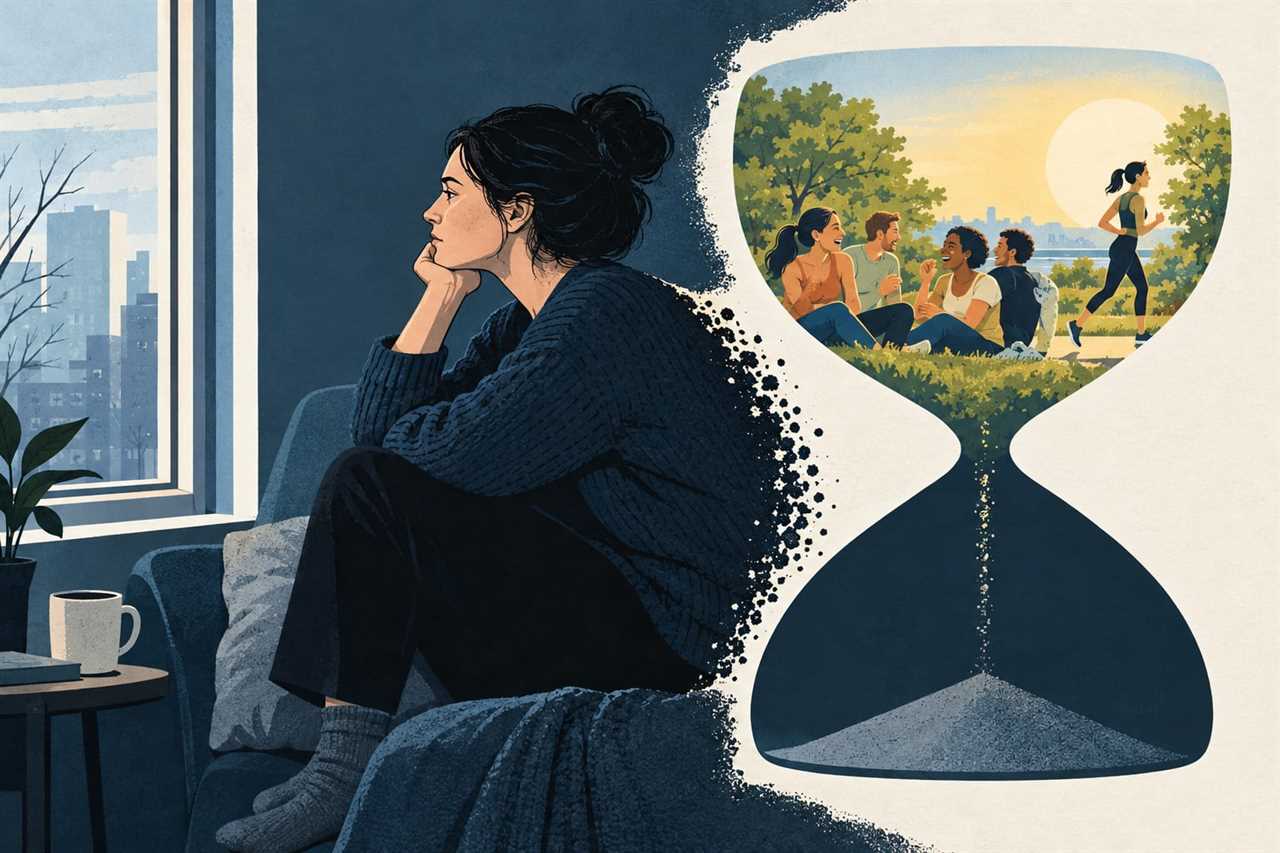
Here's a number that stopped me cold: nearly six years.
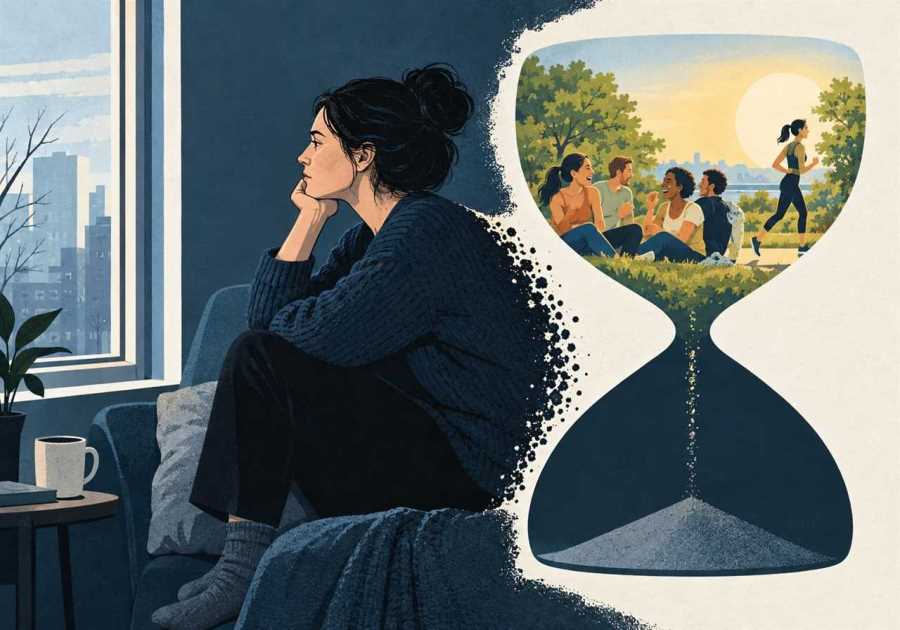
That's how much disease-free life expectancy you could lose to loneliness and social isolation, according to a new study out of Tulane University. Not six years of life, exactly — six years of good years. Years without depression, anxiety, or other mental health struggles eating into your days.
A First-of-Its-Kind Look at the Cost
Researchers have known for a while that loneliness isn't great for you. But nobody had really put a hard number on it until now.
The study, published in Nature Communications, comes from Tulane's Celia Scott Weatherhead School of Public and Tropical Medicine. Lead author Lu Qi, a professor at the school, says the research shows just how much social isolation and loneliness can chip away at the years you get to spend in good health — both mentally and physically.
The mental health hit was the bigger one. Nearly six years of disease-free living, gone. The physical health effects were smaller, but Qi's team says they were still significant enough to matter.
Think about that for a second. We spend so much energy worrying about diet, exercise, and sleep. Meanwhile, how connected we feel to other people might be quietly doing just as much damage — or more.
This Isn't a Small Problem
A 2023 report found that about half of U.S. adults deal with loneliness. Nearly as many are socially isolated. That's not a niche issue. That's half the country.
And yet, loneliness still doesn't get treated like the major health risk it apparently is. We talk about blood pressure and cholesterol at every doctor's visit. Nobody's asking, "So, how are your friendships doing?"
Maybe they should start.
Loneliness and Isolation Aren't the Same Thing
Here's something I didn't fully understand before reading this: loneliness and social isolation are actually two different problems.
Social isolation is objective. It's about how many social connections you actually have — are you surrounded by people or not?
Loneliness is subjective. You could be in a house full of family, or at a party full of friends, and still feel lonely if those relationships don't feel meaningful to you. It's less about the number of people around you and more about whether you feel genuinely connected to them.
That distinction matters. You could fix one without touching the other. Someone can live alone, see very few people, and still feel perfectly content. Someone else can be constantly surrounded by people and feel utterly alone.
Qi says this new study backs up something researchers have suspected for years — that both loneliness and isolation are tied to mortality, especially dying earlier than you should. This study just adds more weight to that evidence.
Why This Hits Home for Me
I've been traveling full-time since 2017, often solo, often in places where I don't know a soul when I land. People sometimes assume that kind of life must be lonely.
Funny thing is, it's usually the opposite. I've found some of my deepest, most honest conversations happen with strangers I meet on a train platform in Portugal or over coffee in a small town I can't even find on a map.
What I've learned is that connection isn't about how many people are around you. It's about whether you're actually engaging with the people who are. You can be isolated in a crowded city apartment. You can feel completely connected chatting with one new friend halfway across the world.
So what do you actually do with this? You don't need to overhaul your life. Start smaller. Call someone instead of texting. Say yes to the coffee invite you'd normally skip. If you're traveling, strike up a conversation with the person next to you instead of putting in your earbuds.
Six years of good health is a lot to leave on the table. The fix isn't complicated — it's just connection. And that's available to you at any age, in any place, starting today.
What's stopping you from reaching out to someone this week?
Source: Science Daily
Missed the last one? Want to Age Well? Start With Tonight's Sleep