Drew Carrington thought he'd nailed it. Nearly six years ago, at the height of the pandemic, he and his wife bought a house in an 8,000-acre golf course community in the mountains of North Georgia. Kitchen on the first floor. Primary suite on the first floor. Thirty-five miles of hiking trails outside the door. It looked like the retirement home dreams are made of.
Now Carrington's 61, retirement's getting close, and he's not so sure anymore.
Here's what changed: nothing, really. The house is the same. But life kept moving, and the things that mattered most in 2020 aren't the same things that matter now. The laundry room and both home offices are downstairs. His wife may need a knee replacement down the road. Suddenly those stairs aren't charming, they're a problem. The house sits at 2,200 feet, with the last half-mile of driveway climbing another 800 feet. No sidewalks anywhere — want to walk or bike? You drive to the trailhead first. The nearest hospital is 40 minutes away. Need a specialist? That's an hour to Atlanta.
Nothing's wrong with the place. It's just not built for the life they'll actually be living in ten years.
"Whatever your plan, don't write it in ink," Carrington says. "Life has a funny way of throwing curveballs."
I love that line, because it's true for a lot more than houses. I've met plenty of people on the road who swore they'd never leave a certain town, a certain street, a certain house — until circumstances quietly rewrote the plan for them.
So how do you figure out if your home will actually hold up as you age? A recent Pew Research survey found 60% of homeowners want to stay put in retirement. Fair enough — community, memories, financial stability, it all makes sense. But wanting to age in place and being set up to actually do it are two different things. Here are four questions worth asking before you assume your current address is the last one you'll ever need.
Is your house a "Peter Pan" house?
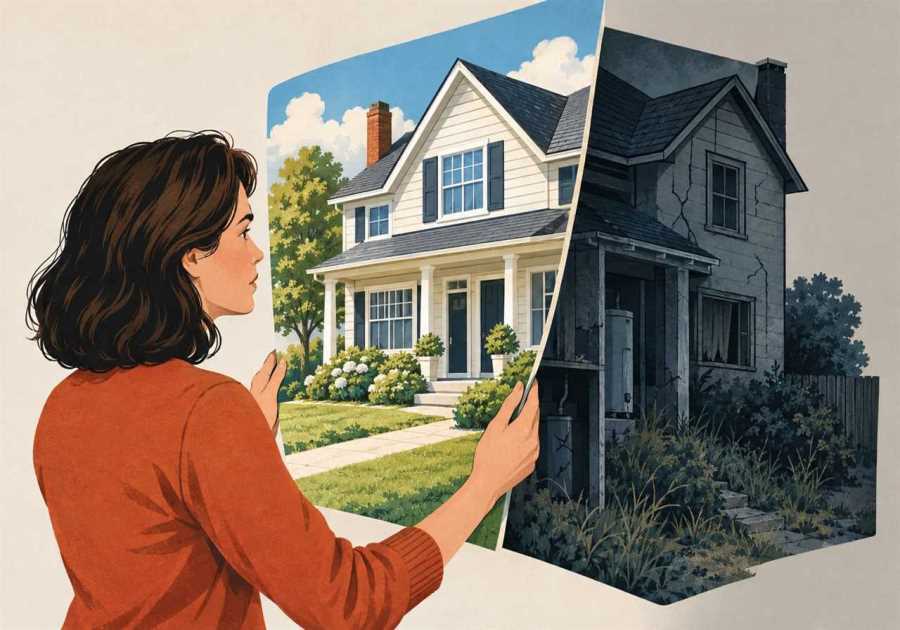
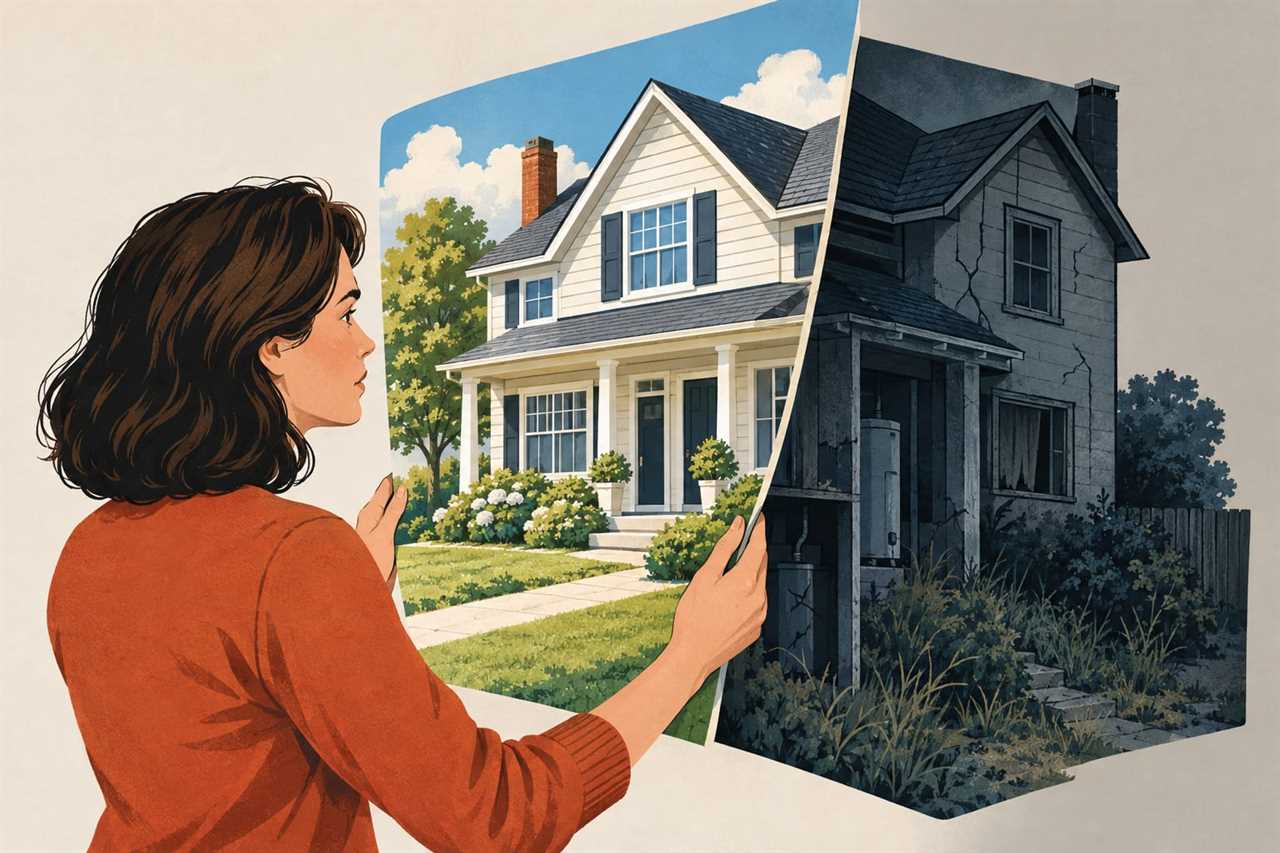
Jon Pynoos, a gerontology professor at USC, coined that term for homes built as if nobody inside will ever get older. Multiple levels, narrow hallways, bathrooms that don't work for a walker, floating stairs with no banister, no bedroom on the main floor. These houses aren't dangerous today. They become dangerous later. Retrofitting one can mean real construction costs, so if this sounds like your place, start budgeting now, not after the fall.
Can you actually get good health care?
You might be healthy as a horse at 65. That changes. David Blanchett, head of retirement research at Prudential, says proximity to a hospital is one of the best early indicators of whether a location will work long-term. If you're 40 minutes from the ER and an hour from a specialist, that's not a dealbreaker — but it's a question you need to answer honestly, including whether you can afford the driving or transportation if your own driving days end.
Is this the right environment to grow old in?
Are you staying because the house is full of memories, even though the kids are long gone? Or because your people — family, friends, community — are actually close by? Blanchett puts it simply: are the things and people that make life fulfilling within reach as you age? Add in practical stuff too — stores, restaurants, weather you can handle, places of worship. Isolation is sneaky. It doesn't show up until the free time does, and loneliness can undo a retirement faster than any market downturn.
Can your budget handle an aging house?
Houses age too. Roofs leak. A new asphalt shingle roof on a 2,000-square-foot home runs about $10,319 on average. Insurance premiums are projected to climb another 8% in 2027. None of that stops just because you're on a fixed income.
You don't need a perfect "yes" on all four. Blanchett says it's nearly impossible to check every box for an entire retirement. Life's a bit of a hot mess — his words, and he's right.
What I'd add is this: nothing says you have to pick one house and stay there forever, ink or no ink. The Carringtons are in the sorting phase now, weighing what's a nice-to-have against what's actually essential. That's not failure — that's just paying attention.
Maybe your forever home really is forever. Or maybe, like Drew Carrington, you'll look up one day and realize the life you're living doesn't quite match the house you bought. Either way, better to ask the question now than figure it out the hard way on a staircase at 2 a.m.
Source: Kiplinger
If you missed it: Your Immune System Doesn't Age Gradually. It Lurches.