Here's something I've noticed after almost seven years of living out of a suitcase: the healthiest people I meet on the road aren't popping expensive supplements or paying for biohacking retreats. They're walking everywhere, sleeping when they're tired, and talking to strangers at the market.
Turns out that's basically what doctors have been saying all along.
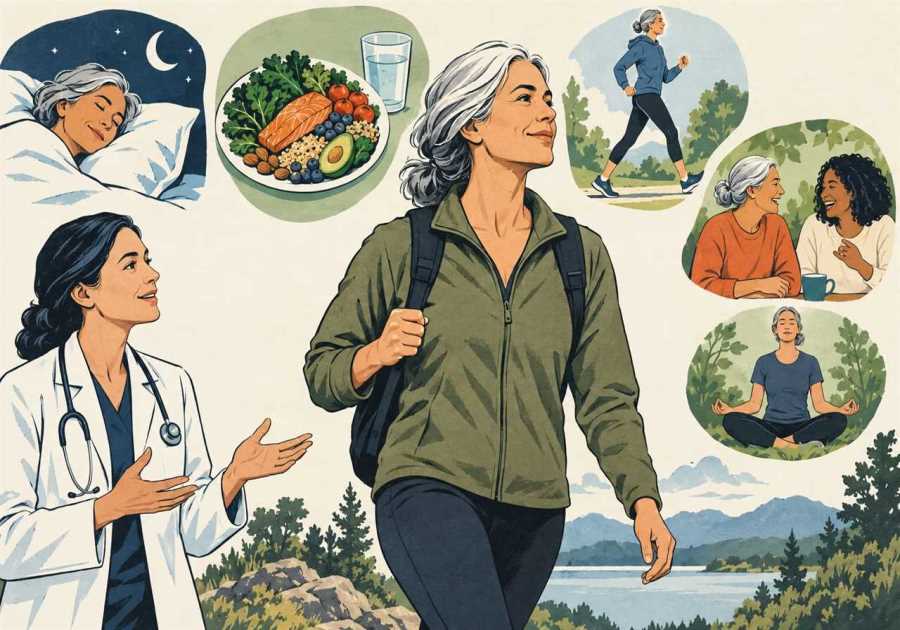
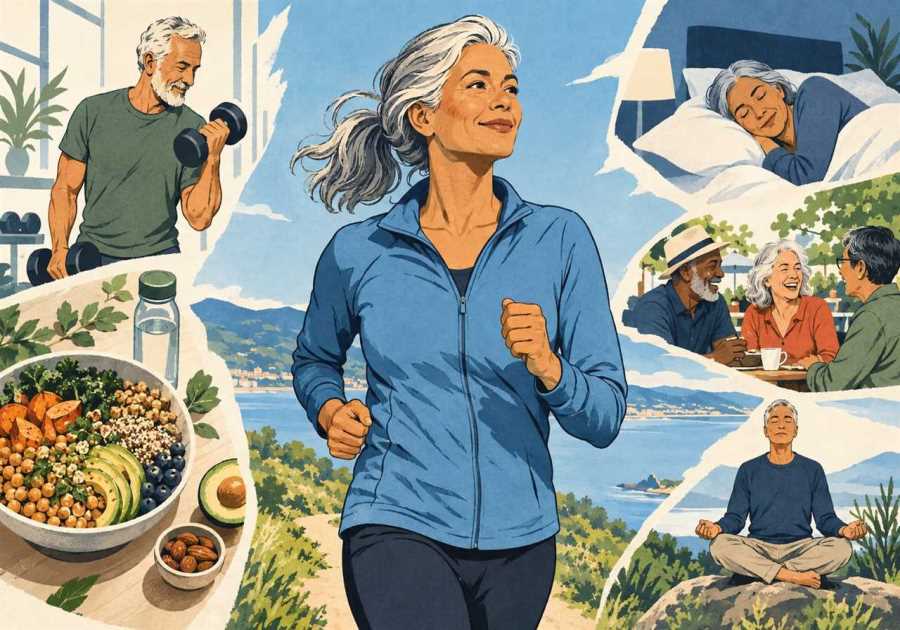
A recent piece from EatingWell rounds up four longevity tips doctors recommend—and the kicker is they're practically free. No subscription required. No $400 red-light therapy mask. Just stuff you can start doing today, for nothing.
That got me thinking. Why do we assume living longer and better has to cost a fortune?
Movement Beats Membership
The research keeps pointing at the same thing: regular movement, especially walking, is one of the strongest predictors of a long, functional life. Not marathon training. Just moving your body most days.
I walk constantly when I'm traveling—through old towns in Portugal, up hills in Colombia, along beaches in Mexico. Some days that's 15,000 steps without ever thinking of it as "exercise." It's just how I get around.
That's the trick, isn't it? Movement works best when it's built into your life, not bolted on as a chore. You don't need a gym membership to walk to the market instead of driving.
Sleep Isn't Lazy—It's Maintenance
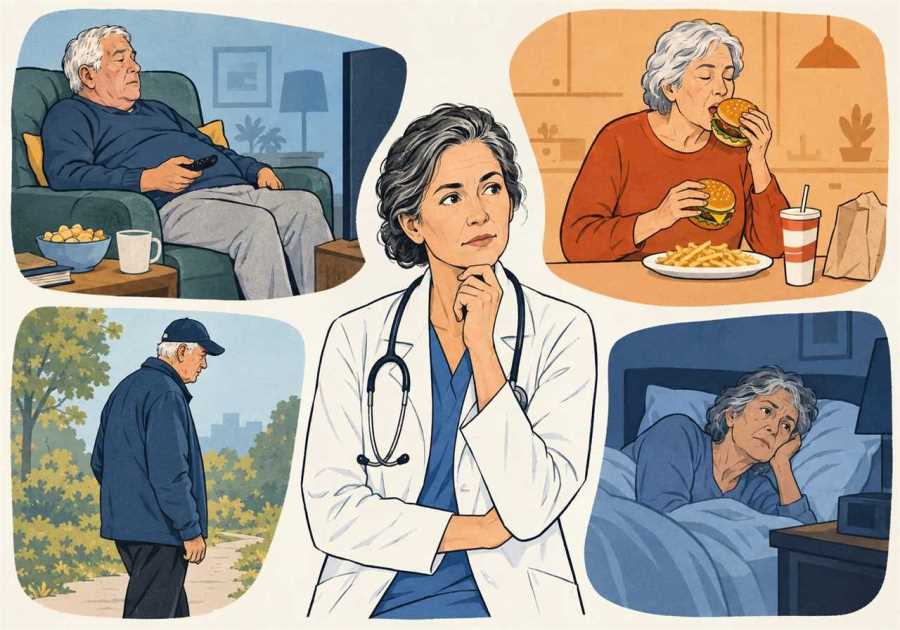
Doctors keep hammering on sleep, and for good reason. Your body repairs itself at night. Skimp on it long enough and the bill comes due—worse memory, weaker immune system, higher risk for just about everything.
I used to treat sleep as optional, something to sacrifice when there was more to see or do. Age taught me otherwise. Now I protect it like it matters, because it does. And it costs nothing but the discipline to turn off the screen and go to bed.
Connection Is Medicine
This one surprises people, but doctors and researchers keep finding that strong social ties predict long life as much as diet does. Loneliness, on the other hand, is genuinely dangerous—some studies put its health impact on par with smoking.
I've met retirees sitting alone in big houses, and I've met retirees sharing stories over coffee with new friends in a hostel courtyard. Guess who seems more alive?
Independence doesn't mean isolation. One of the things I love about full-time travel is how it forces connection—you meet people constantly, swap stories, learn how someone in another country sees the world. That's not a luxury. That's a longevity strategy, and it's free.
Diet Quality Over Diet Perfection
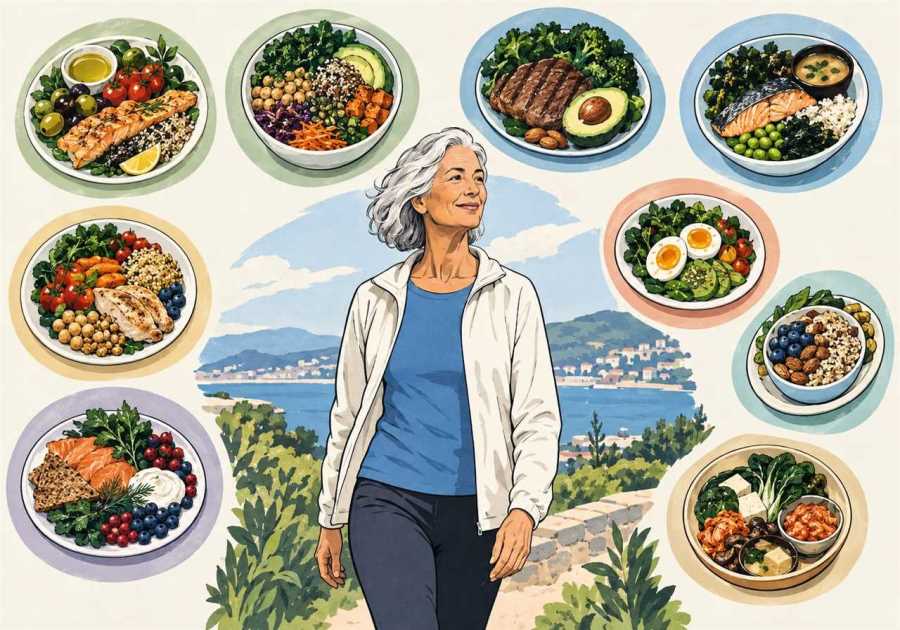
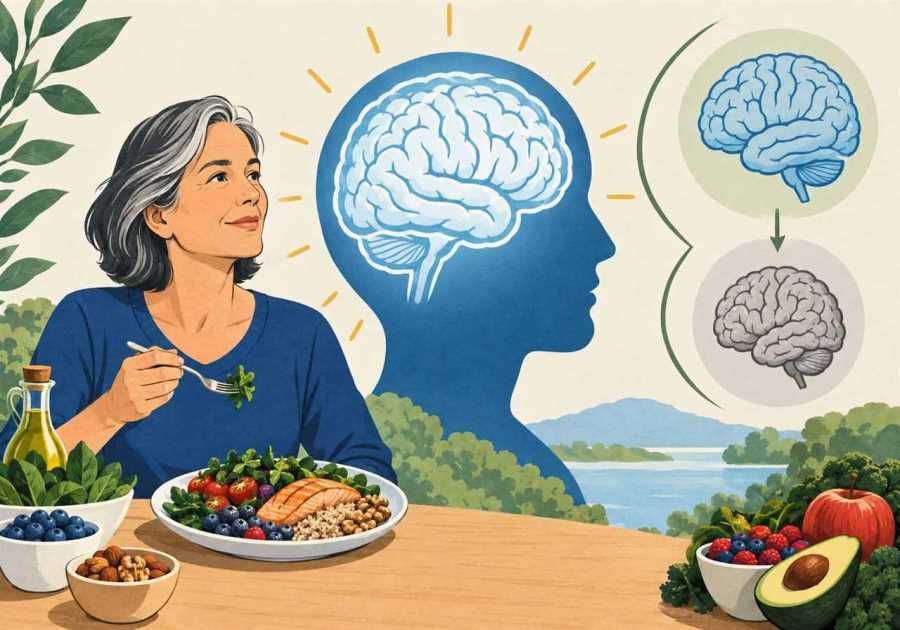
The fourth tip usually circles back to food—not some restrictive, miracle diet, but eating real, whole food most of the time. Vegetables, whole grains, less ultra-processed junk. Doctors aren't asking for perfection. They're asking for consistency.
What's interesting is how little this costs compared to what we're sold. You don't need exotic superfoods flown in from three continents. A bag of lentils and a head of broccoli will do more for you than most supplements on the shelf.
So What Does This Mean for You?
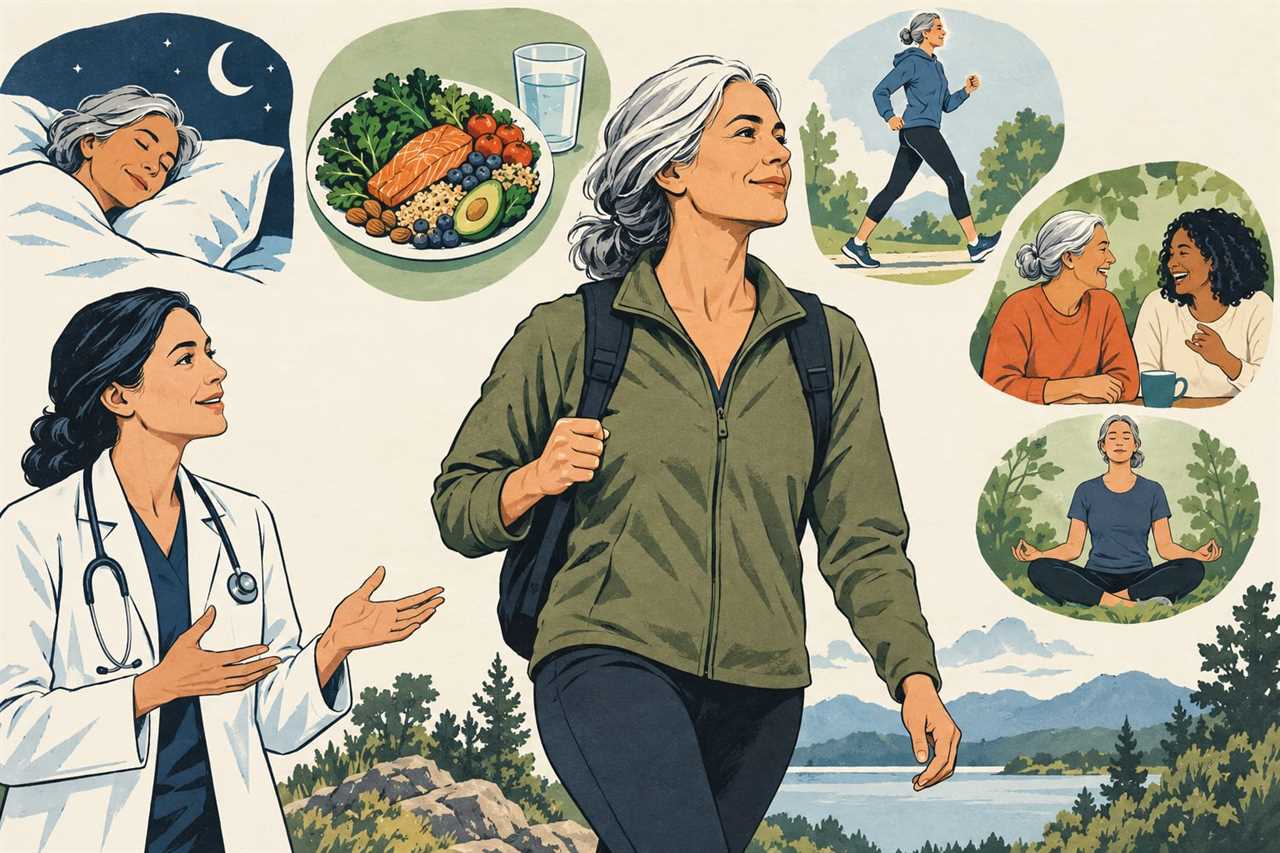
Here's the thing that gets me: we've been taught that health is something you buy. Better tips say otherwise. Walk more. Sleep enough. Talk to people. Eat real food.
None of that requires money. It requires attention.
I'm almost 70, and if anything, I move more now than I did at 40—because I finally understand that staying active, staying curious, and staying connected isn't about defying age. It's about using it well.
So here's my question for you: what's one free thing on this list you could start today? Not next month. Today.
Go for a walk. Call a friend. Go to bed on time tonight. See what happens.
Adventure—and apparently longevity—really doesn't have an age limit. Or a price tag.
Source: EatingWell
If you missed it: Healthy Aging Isn't About Waiting. It's About Starting Now