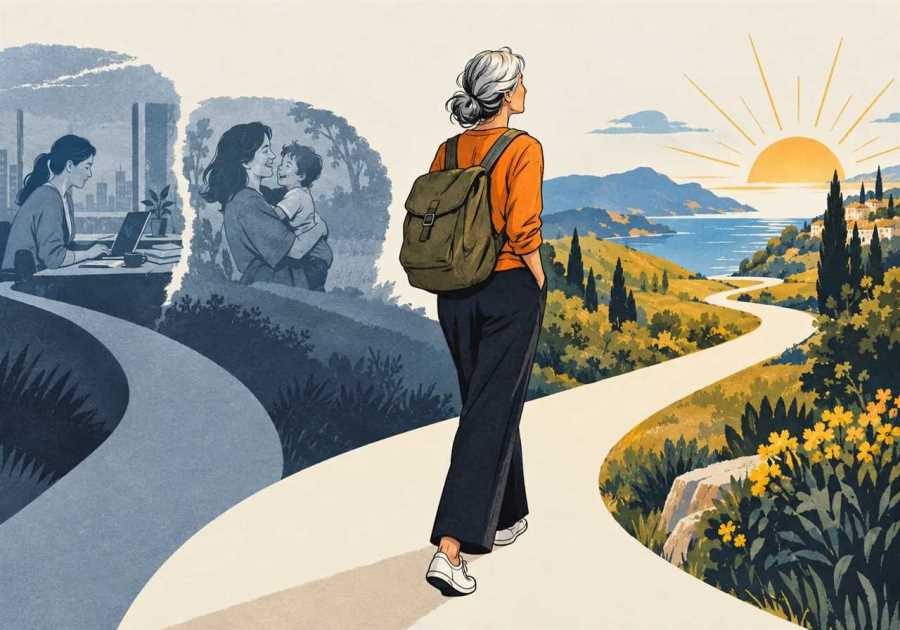
I met a guy in a hostel in Portugal a few years back, 74 years old, traveling solo, learning Portuguese from a phrasebook and teaching chess to anyone who'd sit still long enough. He wasn't trying to "stay young." He was just living his life, full of activity, full of people. Turns out there might be real science behind why he seemed so sharp.
A new study published in the Journal of Epidemiology & Community Health found something worth paying attention to: older adults who stay busy with a mix of social activities tend to keep their brains working better, longer. Not just socially active in a vague sense. Specifically — and diversely — active.
Here's the backdrop. Dementia is projected to affect nearly 153 million people worldwide by 2050. That's a staggering number, and it's part of why researchers keep digging into what, if anything, can slow cognitive decline before it starts. Earlier studies on social activity and brain health gave mixed results, partly because they were small, geographically narrow, or inconsistent in how they measured things.
So this team went big. They pulled data from five major long-term surveys covering 24 countries — the U.S. Health and Retirement Study, the English Longitudinal Study of Aging, the China Health and Retirement Longitudinal Study, the Mexican Health and Aging Study, and the Survey of Health, Aging and Retirement in Europe. All together, that's 57,793 people, average age between 57 and 73, tracked for about six years.
What They Found
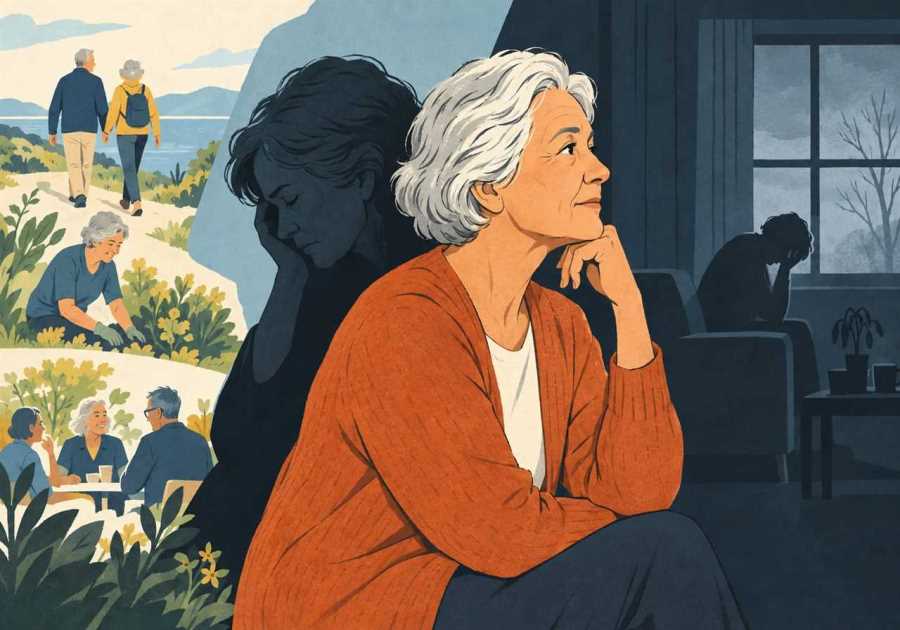
Participants reported what kinds of social activities they took part in — things like volunteering, sports clubs, training courses, childcare, political or religious groups — and researchers measured cognitive performance using memory and executive function tests.
The pattern was clear: people who engaged in social activities scored higher on cognitive tests than those who didn't. And the more types of activities someone did, the better their scores. The sweet spot seemed to be three or more different activities. People hitting that mark showed noticeably stronger cognitive scores year after year compared to those doing none.
Two activities stood out across all five countries: volunteering and sports club membership. Both were tied to a lower risk of cognitive decline. Training courses and caring for children also showed strong, consistent links to better cognitive scores over time.
Interestingly, political involvement, community groups, and religious organizations didn't show the same consistent benefit. Make of that what you will.
The protective effect was even stronger in certain groups: women, people 60 and older, those with more education, people who weren't depressed, people living alone, people in rural areas, and — somewhat surprisingly — people who smoked or drank alcohol.
Why This Matters
Now, this is an observational study, so it can't prove that volunteering or joining a pickleball league directly causes a sharper brain. The researchers are upfront about that. They also didn't measure the quality or motivation behind the activities, just the quantity.
Still, the researchers point to a few plausible explanations. One is the classic "use it or lose it" idea: staying mentally engaged may help maintain neural connections. Another is that meaningful social activity boosts psychological well-being, which may reduce chronic stress and protect brain structures like the hippocampus.
I've spent the last several years traveling full-time, and one thing I've noticed again and again: the people who seem the most alive, the sharpest, the most curious, are the ones who keep saying yes to new things. New language classes. New volunteer gigs. New clubs, new sports, new conversations with strangers in unfamiliar places.
Maybe that's the real takeaway here. It's not about fighting age. It's about staying in motion — mentally, socially, physically. The researchers call for "targeted interventions" to get older adults more engaged. Fair enough. But you don't need a clinical trial to start.
Join the club. Volunteer somewhere. Take the class. Talk to someone new today.
What's one social activity you could add to your week, starting now?
Source: Phys.org
Catch up on our earlier post: Why Your Sense of Smell Fades After 60 – and When It's a Warning Sign