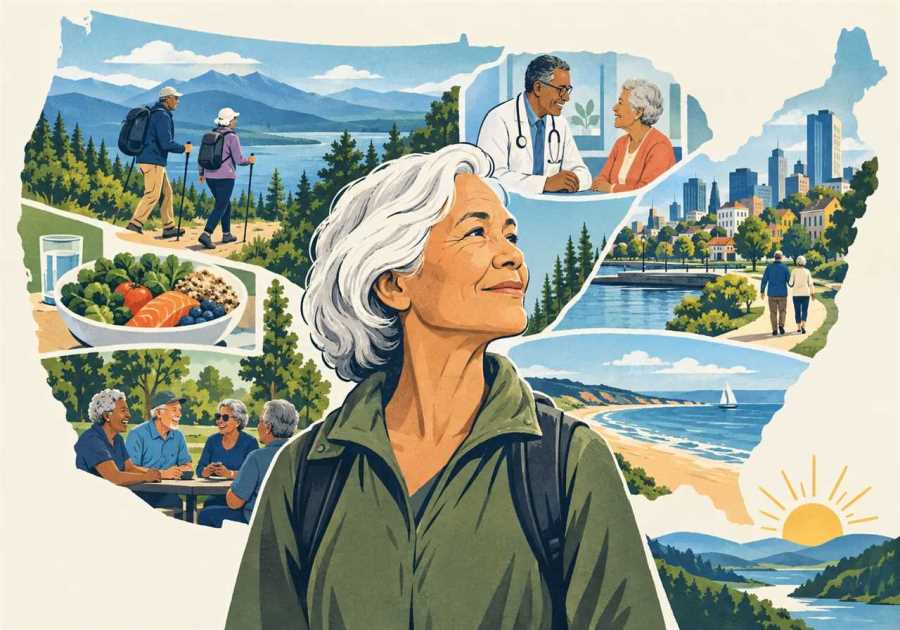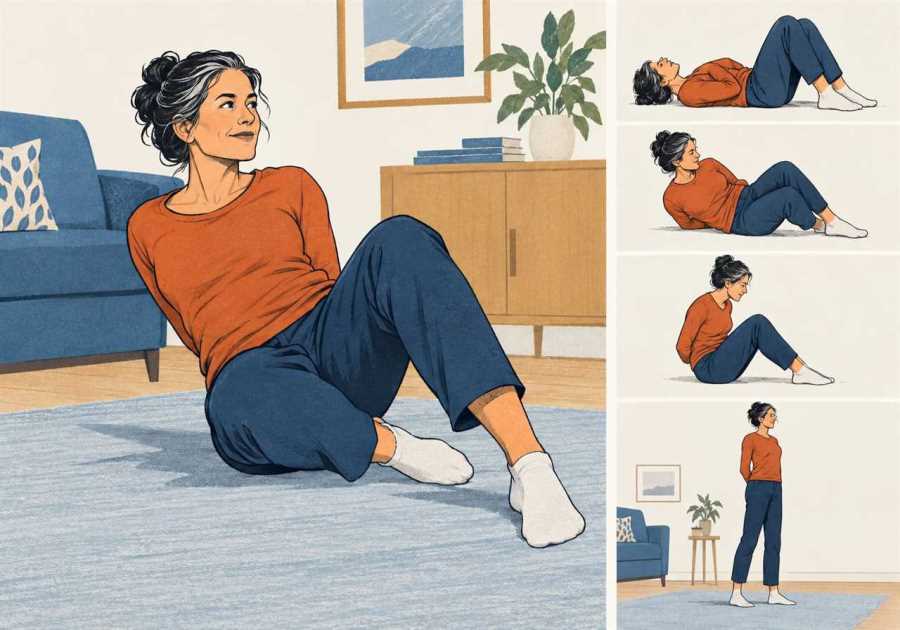
A new ranking just dropped, naming the healthiest states in America for seniors. My first thought wasn't "which state won." It was: what are they actually measuring?
Because "healthy" means different things depending on who's asking.
Is it life expectancy? Access to doctors? Clean air? How many seniors are still out hiking, biking, or gardening at 75? All of the above, probably. And that's exactly what makes these rankings worth a closer look.
Why This Matters More Than You Think
I'm closing in on 70. I've spent the last several years traveling full-time, which means I've lived in a lot of different places for weeks or months at a stretch. And I've noticed something: where you plant yourself in your later years actually changes how you feel, how you move, and how long you stick around to enjoy it.
It's not just climate, though that helps. It's the whole ecosystem around you. Can you see a doctor without driving two hours? Is the air something you actually want to breathe? Are there sidewalks, trails, parks, places to walk to instead of just drive to? Is the food good, affordable, and not loaded with stuff that'll wreck your blood sugar?
Rankings like this one try to put numbers on all of that. Healthcare access. Chronic disease rates. Cost of living. Social connection. Even things like crime and pollution. Put it together and you get a picture of where seniors are thriving versus where they're just getting by.
The Part Nobody Talks About
Here's what I find interesting, though. These lists tell you where seniors are healthiest on average. They don't tell you where you'd be healthiest.
I've met people in their 80s climbing mountains in Colorado and people in their 50s who can barely manage a flight of stairs in a state that supposedly ranks near the top. A ranking is a snapshot of averages. Your life isn't an average.
That's the thing about getting older that nobody prepares you for: it's not about following the data blindly. It's about asking, "What happens if I actually go look at this place myself?" Spend a month there. Walk the neighborhoods. Talk to people at the farmer's market. Check how far the nearest hospital really is, not just what a spreadsheet says.
I've made the mistake of trusting a "best places to retire" list once, years ago, before I started traveling full-time. The place looked great on paper. Turned out the healthcare system was overwhelmed, the summers were brutal, and the "walkable downtown" was three blocks long. Lesson learned: data gets you in the neighborhood, but your own boots get you to the truth.
So What Do You Do With a List Like This?
Use it as a starting point, not a verdict. If a state shows up near the top for senior health, that's worth investigating. Ask why. Is it the healthcare infrastructure? The outdoor access? The lower stress of a slower-paced town? Then go see if that reason actually applies to your life.
And don't assume staying put is required. One of the best decisions I ever made was deciding that where I live isn't fixed. Age isn't a sentence to one zip code. If a state isn't working for your health, your budget, or your sense of adventure, you're allowed to leave. Nobody hands you a rulebook at 65 saying you have to stop moving.
The Real Takeaway
Healthiest states for seniors rankings are useful. They point you toward places doing something right. But the healthiest version of your life probably isn't found on a list. It's found by staying curious, asking questions, testing things out, and being willing to change your mind.
So look at the ranking. Then go find out for yourself. What's stopping you from spending a month somewhere new just to see how your body and your mood respond?
That's not research. That's just living.
Source: qz.com
Still catching up? Start with The Pills in Your Cabinet That Might Be Doing More Harm Than Good