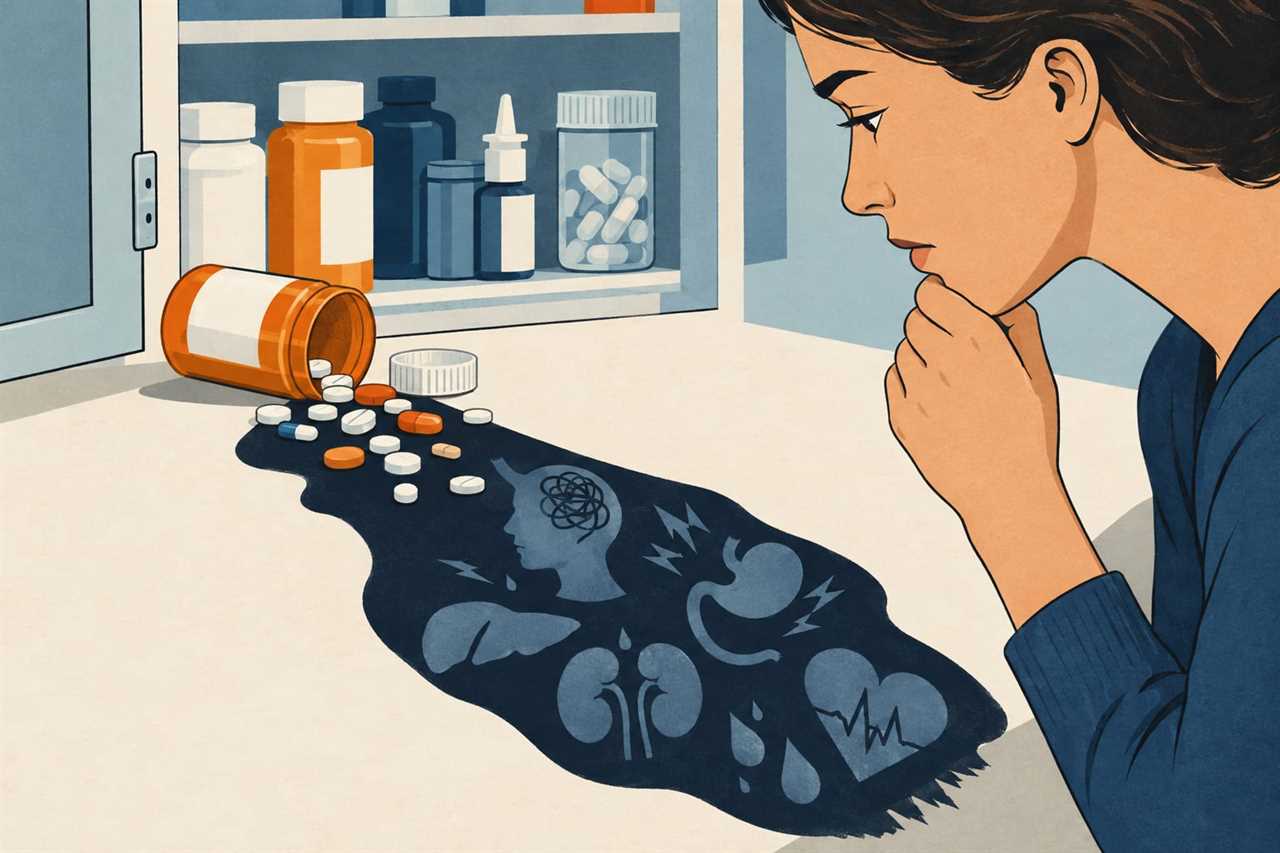
I don't carry a medicine cabinet anymore. I carry a dry bag.
That's one of the odd side effects of traveling full-time since 2017 — you start questioning everything you used to keep in your bathroom just because it was there. Vitamins. Painkillers. That bottle of sleep aids you bought once during a rough week and never finished. Why was it still in the cabinet five years later?
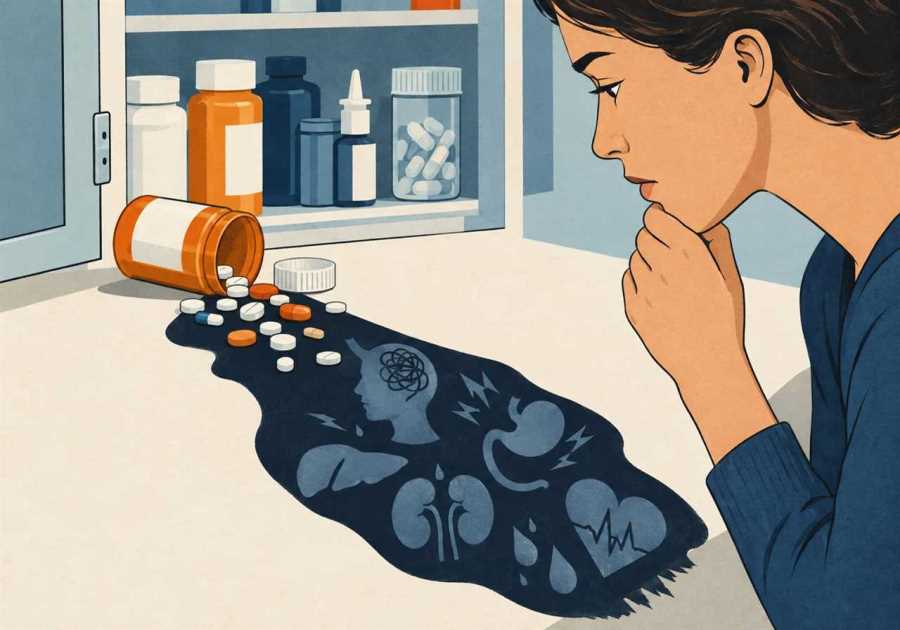
So when I saw a headline about older adults overusing common drugs, I didn't scroll past it. I wanted to know: which ones, and why does this keep happening to people who are otherwise smart about their health?
The Usual Suspects
A few categories show up again and again when doctors and pharmacists talk about overuse in people over 60 or 65.
First, sleep aids — the over-the-counter kind, often built around an antihistamine like diphenhydramine. It knocks you out fast, which feels like a win at 2 a.m. But that same drug can leave you groggy and unsteady the next morning, and as we get older, our bodies clear it out slower than they used to. What worked for your 40-year-old self doesn't necessarily work the same way for your 70-year-old self.
Second, acid reducers — the proton pump inhibitors a lot of people take daily for heartburn, long after the original problem may have resolved. They're meant for short courses, not years. But once something becomes part of the morning routine, who stops to ask if they still need it?
Third, sedatives and anti-anxiety medications, the benzodiazepine family. Useful for a short, hard stretch of life. Risky as a long-term habit, especially for balance, memory, and the kind of clear thinking you want when you're, say, driving a car or walking down an unfamiliar set of stairs in an airport.
Why This Sneaks Up on People
Here's the thing that struck me. None of these drugs are overused because people are reckless. They're overused because they work — at first. The sleep aid helps you sleep. The acid reducer stops the burn. The anxiety medication takes the edge off. So you keep taking it. Nobody schedules a check-in six months later to ask, "Do I still need this?"
That's the question worth asking, though. Not just for older adults — for anyone who's been taking something on autopilot.
I've had conversations with people in their seventies and eighties who are still out there hiking, sailing, learning languages, running small businesses from a laptop in a café somewhere. They tend to share one habit: they question things. They don't assume a prescription from five years ago still makes sense today. They ask their doctor, "What happens if I try cutting this back?" They treat their own body the way I treat a travel plan — subject to revision when circumstances change.
What I've Learned Living Light
I'm not a doctor, and I'm not telling anyone to stop taking a medication their physician prescribed. That's a conversation for you and them, not for an article you read on your phone.
But I will say this: getting older doesn't have to mean accumulating more pills, more routines, more things you do just because you did them yesterday. It can mean the opposite — paring down to what actually serves you now, at this stage, doing what you're actually doing.
I pack light because I've learned that most of what I used to carry, I never needed. I wonder if the same is true for a lot of medicine cabinets. Not all of it — some of these drugs are doing real, necessary work for real people. But some of it is just leftover habit, sitting on a shelf, quietly doing more than we think.
So here's the move. Pull everything out of the cabinet. Line it up. For each one, ask: do I still need this, or did I just never stop?
Then go call your doctor or pharmacist and ask the question out loud. Worst case, they confirm you're fine. Best case, you free up space — in the cabinet, and maybe in how sharp and steady you feel walking into your next adventure.
Source: pmg-ky2.com
If you missed it: It's Never Too Late to Build Strength (Even in Your 90s)