I was climbing down a rocky trail in Peru last year, moving a little faster than I should have, when my foot caught a loose stone. I didn't fall. But I felt that split second where my body had to decide, fast, whether to recover or hit the ground. It made me think about something I don't talk about enough: at almost 70, a fall isn't just an embarrassing stumble anymore. It's a real risk.
That got me digging into why falls happen and what actually prevents them. Turns out there's good science here, and none of it says you need to slow down. You just need to get smarter.
Why We Fall
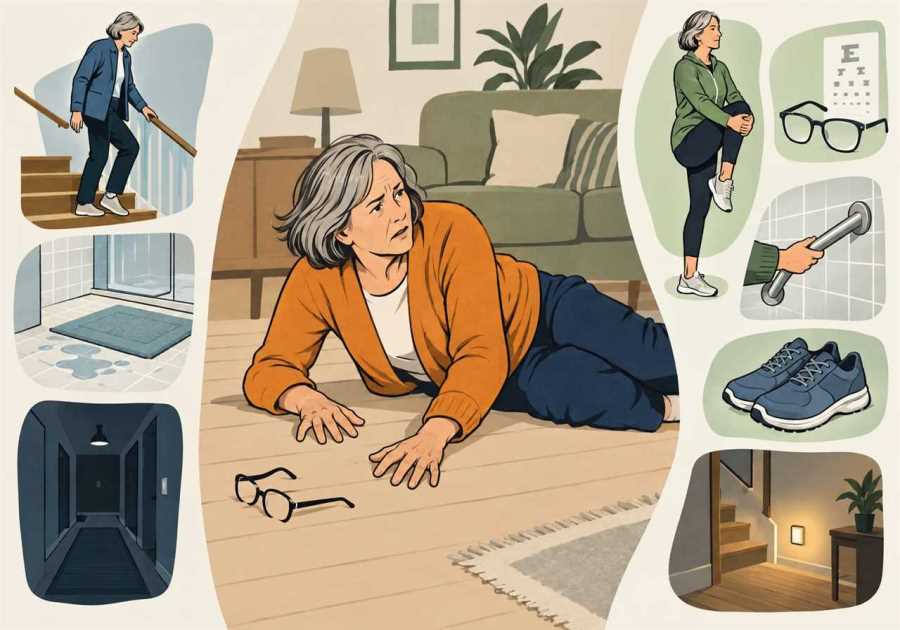
A fall happens when your body's center of mass moves past the point your legs can catch it. Simple physics. But Susan Stark, a professor of public health, occupational therapy and social work at Washington University, says it's rarely one simple cause. "It usually occurs because of an interaction between three things: the person, what they are doing and the environment in which they are doing it," she explains.
So it's not just the loose rug. It's the rug plus your reaction time plus the fact that you were rushing to answer the phone.
As we age, muscle strength and balance naturally decline. Vision changes too. Suzanne Morley, with the Wisconsin Institute for Healthy Aging, points to contrast sensitivity, glare, depth perception and peripheral vision as common culprits. Add in arthritis, diabetes, Parkinson's or dementia, and the odds stack up fast.
Medications matter too. Stark notes that drugs causing drowsiness, dizziness or low blood pressure, especially when mixed, can turn a normal day into a dangerous one. Even dehydration can make you lightheaded enough to lose your footing.
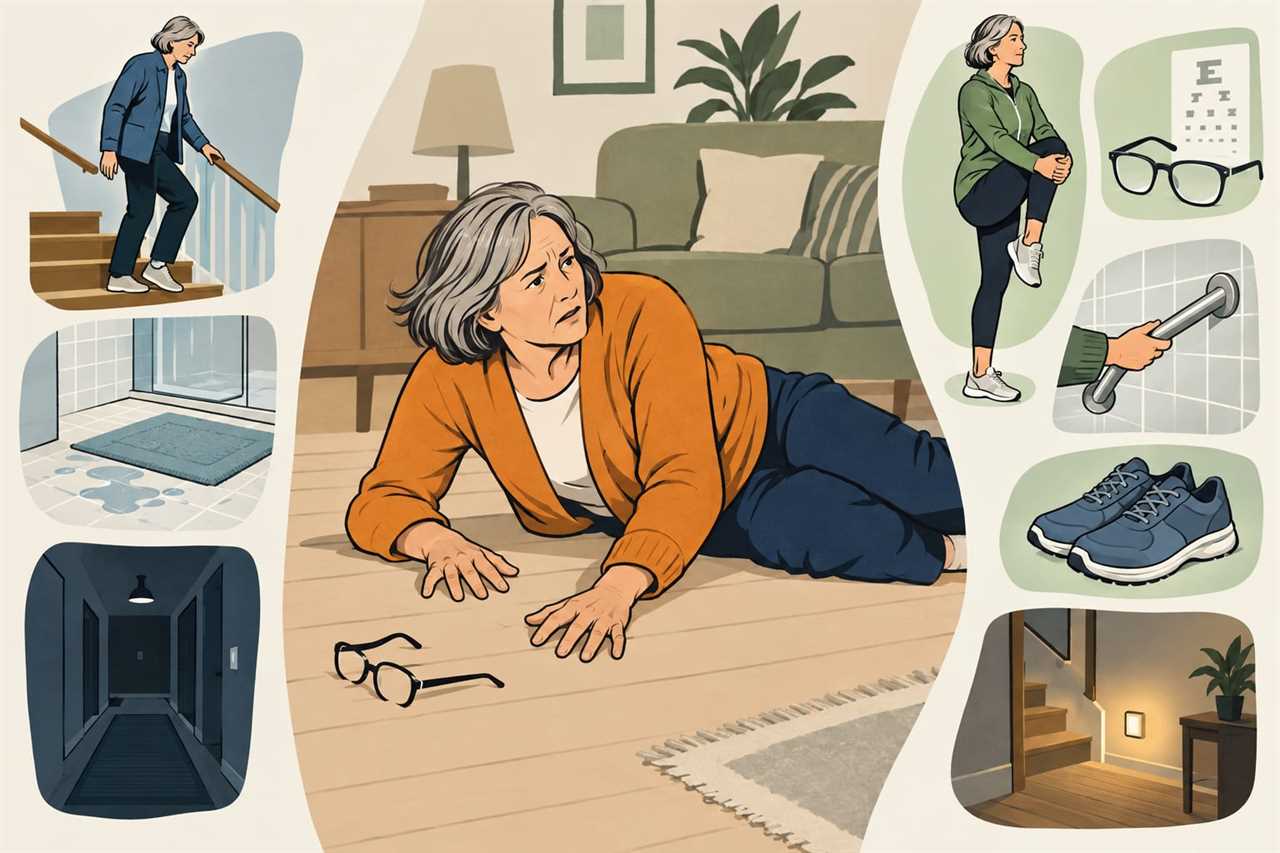
And here's the part that surprised me: it's often not the dramatic moments like ladders or icy steps that get people. It's getting up at 2 a.m. to use the bathroom in the dark, or carrying a laundry basket down stairs with no free hand for the rail.
Who's Most at Risk
The CDC calls falls the leading cause of injury death among adults 65 and older. Morley says that risk climbs further for people who are isolated or lonely, since that often means less movement and less likelihood of asking for help when something feels off.
Stark adds that anyone who's already fallen once is at higher risk for falling again. Makes sense. Pain and fear change how you walk and move, and fear alone can make people retreat indoors and lose strength they can't afford to lose.
She suggests three questions worth asking yourself: Have you fallen in the past year? Do you feel unsteady standing or walking? Are you worried about falling? A "yes" to any of those is worth a conversation with your doctor.
What Actually Works
Here's the encouraging part. Exercise has the strongest evidence behind it for preventing falls. One systematic review found it cuts fall rates by 23% among older adults. Not walking alone, interestingly. Stark says walking is great for your heart but doesn't build the strength and balance you need to recover when you stumble. You need actual strength and balance work.
That tracks with what I've noticed traveling full-time since 2017. The people I meet in their 70s and 80s who are still hiking volcanoes or climbing temple steps in Southeast Asia aren't lucky. They've kept their legs and core strong, year after year, on purpose.
Beyond exercise, small home fixes matter more than people think. Clear the cords. Ditch the loose rugs. Add grab bars. Improve the lighting. Stark says these changes genuinely lower fall rates, especially for people already at risk.
Footwear counts too. Shoes with low heels and slip-resistant soles, not flip-flops or worn-out slippers. And get your eyes checked regularly, since vision problems often creep up without you noticing.
Stark's advice I keep coming back to: don't wait to fix the little stuff. Nip it before it becomes a fall.
Keep Moving, Smarter
None of this is about slowing down or playing it safe out of fear. It's about staying strong enough to keep saying yes to the trail, the stairs, the new city. Adventure has no age limit, but it does have a price of admission. Build the strength now, and the next adventure stays wide open.
Source: USA Today
Missed the last one? Research Shows These 10 Diets Are Linked to Healthier Aging