I got a mammogram in a clinic in Portugal last year. Not because something was wrong. Because it was time, and I happened to be there.
That sentence probably sounds strange coming from a guy writing about travel and adventure. But here's the thing: living fully as you get older isn't just about passports and plane tickets. It's about staying around long enough to use them.
Atlanta News First recently ran a piece on understanding your risk for breast cancer as part of their "Aging Better" series. And it got me thinking about something I don't talk about enough on this site: the boring, unglamorous maintenance that makes the adventurous life possible in the first place.
Why This Matters More as You Get Older
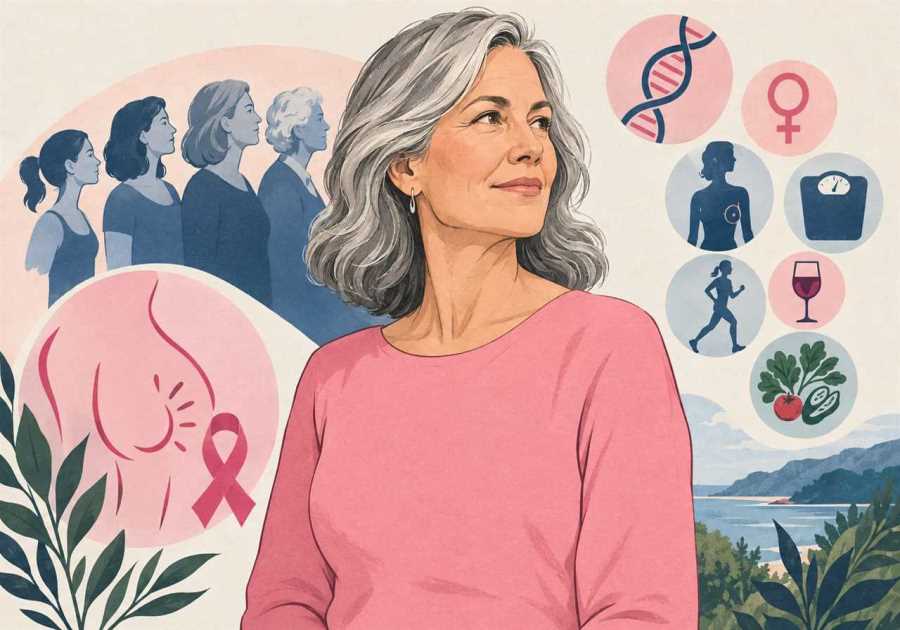
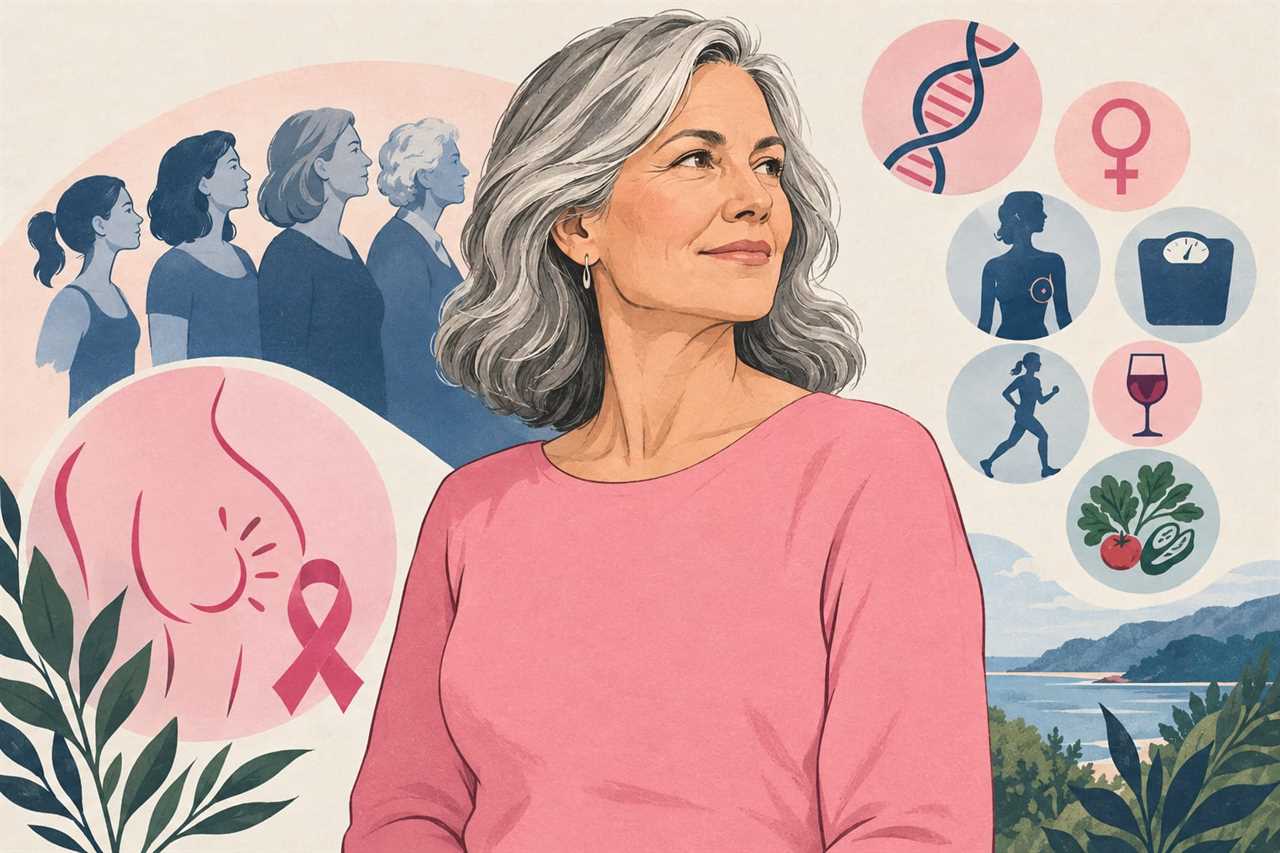
Risk for breast cancer isn't static. It shifts as you age. The factors that mattered less at 35 start mattering more at 55, 65, 75. Family history, hormone changes, lifestyle, previous screenings — they all stack up differently over time.
The problem is, a lot of us treat health screenings like something we'll "get to." Especially those of us who've built a life around movement — new cities, new countries, new routines. When you're busy chasing the next destination, a doctor's appointment can feel like an interruption.
I get it. I've felt that pull myself. There's always a flight to catch, a new place to explore, a reason to put it off another month.
But here's a question worth sitting with: what's the point of freedom if you don't protect the body that gets you there?
Knowing Your Risk Isn't the Same as Worrying About It
There's a difference between understanding your risk and being consumed by fear of it. Understanding is empowering. It's information. It's a baseline. Fear just makes you avoid the doctor altogether.
Doctors look at things like age, family history, genetics, and personal medical history to figure out where someone falls on the risk spectrum. None of that is fixed. You can't change your genes, sure, but you can change how closely you monitor things, how often you get screened, and how quickly you act if something shows up.
That's the part I find genuinely interesting. Risk isn't a verdict. It's a map. And once you know where you stand on it, you get to decide what to do next.
This Is Where Independence Actually Starts
I've built my life around independence — deciding where to go, what to do, how to spend my days. But real independence isn't just freedom from obligation. It's also freedom from avoidable crisis.
A woman who knows her risk factors and stays on top of screenings has more control over her future than one who doesn't, even if she never leaves her hometown. Knowledge is its own kind of passport.
I'm almost 70. I didn't get here by accident, and I don't plan on wasting whatever time is ahead of me. That means saying yes to the unexpected road trip, sure. But it also means saying yes to the appointment I'd rather skip.
So What Do You Actually Do With This?
Start simple. Know your family history. Talk to your doctor about when and how often you should be screened based on your age and risk level. Don't let "I'll do it when I get back" become a permanent excuse.
And if you're someone who travels a lot, like me, figure out how to keep your health care portable. Keep records digital. Know where you can get a mammogram or checkup wherever you happen to be. Don't let geography become your excuse either.
Adventure has no age limit. But it does have a maintenance schedule. Staying curious about your own health is just another form of staying curious about life. Ask the questions. Get the answers. Then go book that next trip.
Source: Atlanta News First
Read our previous article: Could That Weight-Loss Shot Also Slow Down Aging?