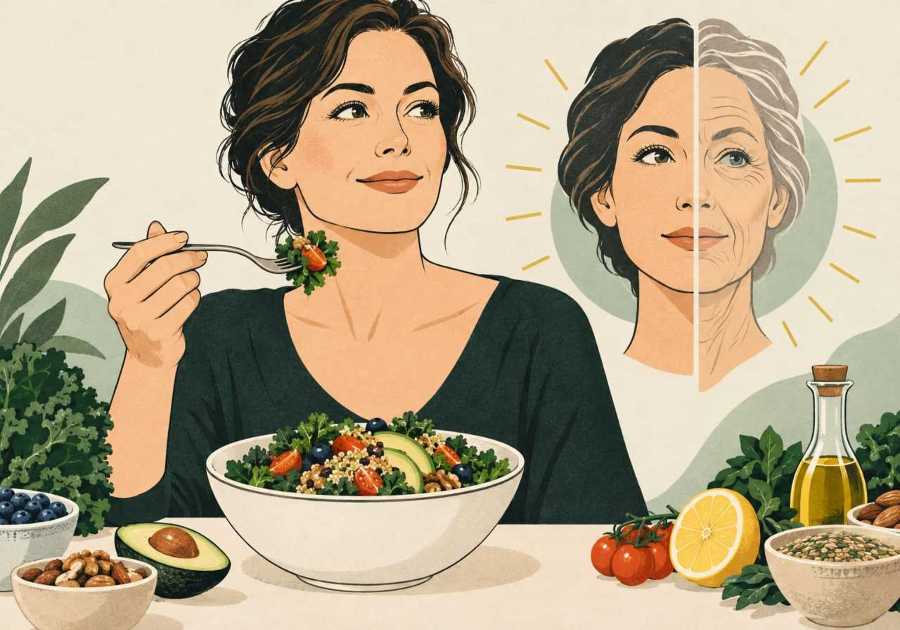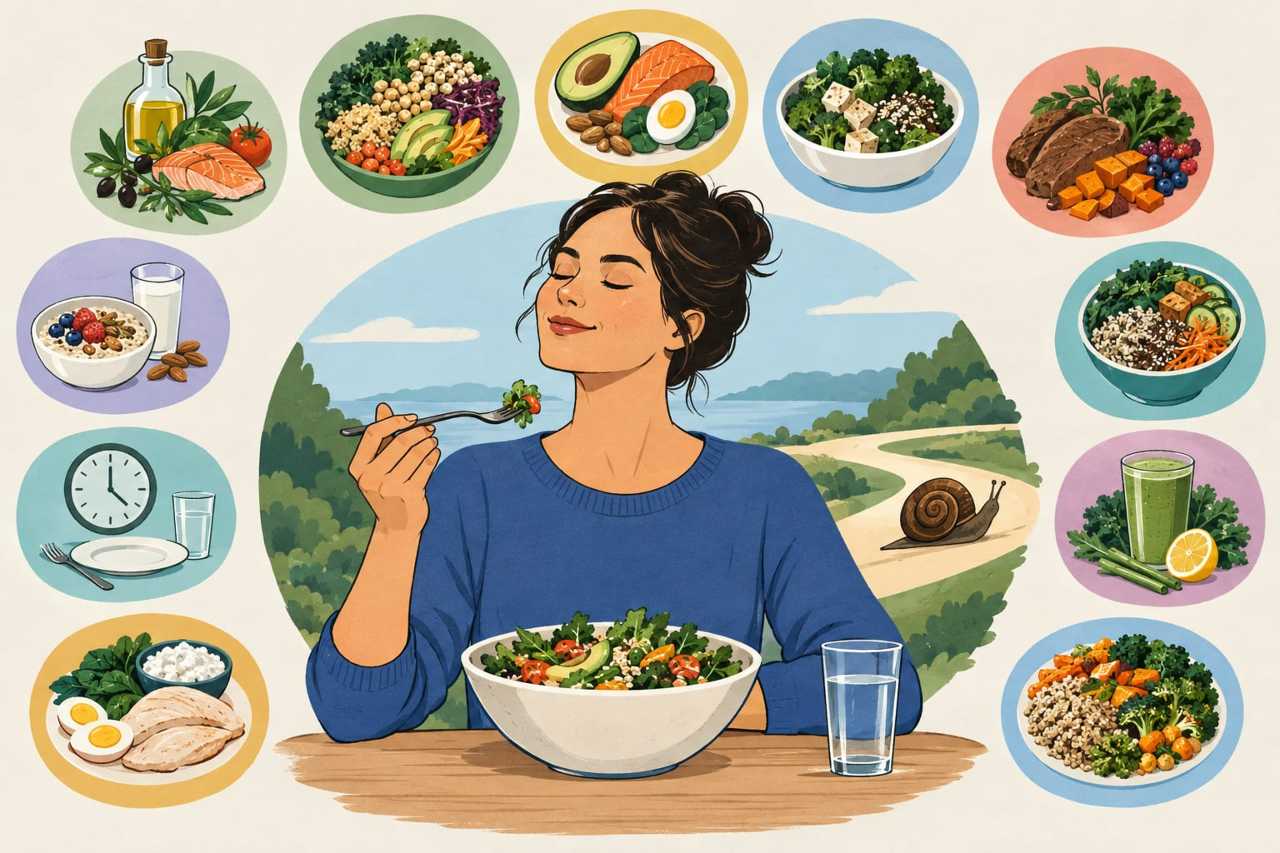
What if your dinner plate was quietly rewriting your DNA?
That's not science fiction. It's basically what a team of researchers in Germany just found, and it's worth paying attention to — whether you're 35 or pushing 70 like me.
Scientists at the German Center for Neurodegenerative Diseases looked at 6,470 people over the age of 30 and asked a simple question: do healthier eating patterns actually show up in your biology? Not just on a scale or in a blood pressure cuff — in your DNA itself.
The answer, published in Nature Communications, was yes. Across ten different dietary patterns, the people who stuck closest to healthy eating habits showed signs of slower biological aging. Every single one of the ten diets pointed the same direction.
Which Diets Made the List
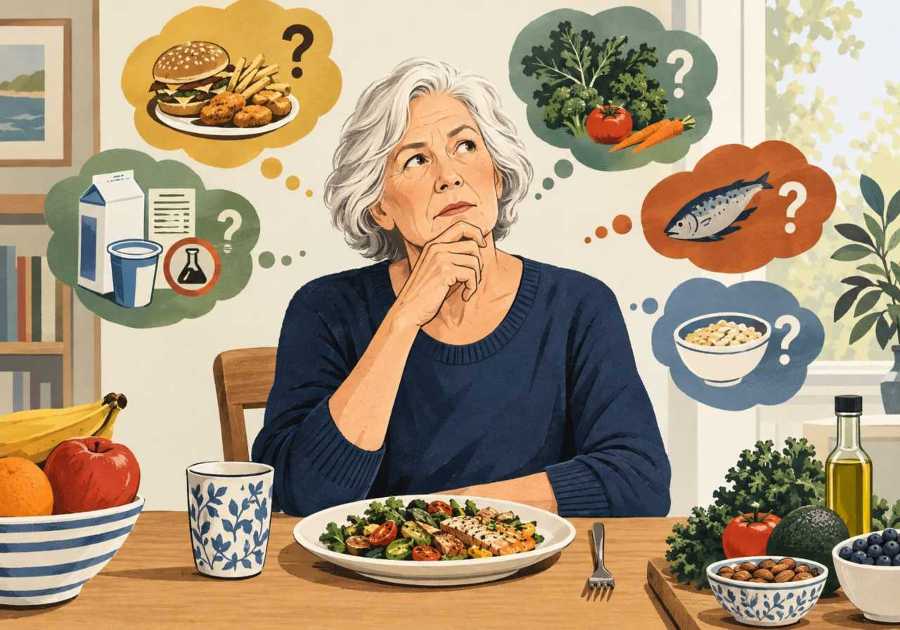
This wasn't just the Mediterranean diet getting another gold star, though it was included. The researchers also looked at the Nordic diet, the DASH diet for blood pressure, and MIND, which is designed to protect brain health as we get older. That last one caught my eye — I've met plenty of people on the road who are sharp and curious well into their eighties, and I've always wondered how much of that comes down to what's on their plate.
They also studied the Alternative Healthy Eating Index, the Plant-based Diet Index, the Healthful Plant-based Diet Index, and the EAT-Lancet diet, which is more known for its environmental angle than its health claims.
Then there were two indices that worked in reverse: the Unhealthful Plant-based Diet Index and the Dietary Inflammatory Index. These track things like sugary drinks and sweets. Makes sense, right? But here's the interesting part — scoring low on these "bad habit" scales was just as strongly linked to slower aging as scoring high on the healthy ones. Two sides of the same coin.
How Do You Actually Measure Aging?
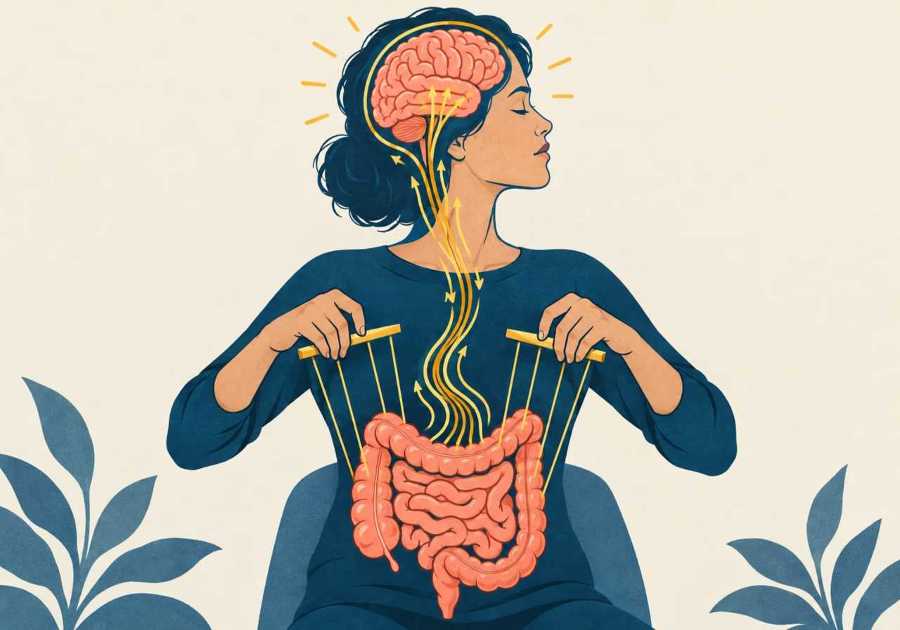
This is where it gets genuinely fascinating. The researchers didn't just ask people what they ate and call it a day. They used something called epigenetic clocks — three of them — which read chemical markers on your DNA called methylation patterns. These markers shift as you age, and they can tell a story your birth certificate can't.
The team examined roughly 850,000 of these DNA sites. That's about double what most earlier studies in this field have managed to look at. More data points, more confidence in the pattern.
And they didn't stop there. They checked their findings against a second group of 1,034 people, and got the same results. That kind of double-checking is exactly the sort of thing that makes me trust a study more than a flashy headline.
What It Means — And What It Doesn't
Here's the honest part, and I appreciate that the researchers didn't dodge it: this shows an association, not proof that diet causes slower aging. The data was a snapshot in time. It doesn't prove that switching diets tomorrow rewinds your biological clock.
But more than 70% of the biological pathways tied to these diets overlapped — things involving cell structure, cell signaling, and metabolism. That's not a coincidence. That's your body's machinery responding to what you feed it, consistently, across ten very different approaches to eating.
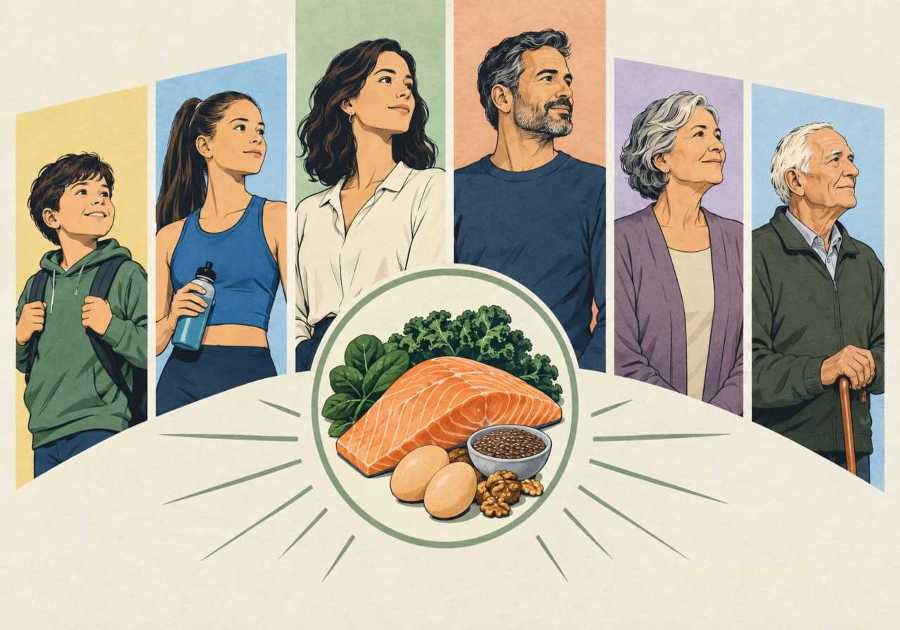
So what do you do with this? You don't need to pick the "perfect" diet. The study itself suggests there isn't just one. Mediterranean, Nordic, plant-based, DASH — they all pointed the same direction. The common thread isn't a specific food list. It's the habit of eating well and cutting back on the junk.
I've eaten my way through markets in Portugal, street stalls in Vietnam, and little family-run kitchens in Mexico over the years. No single approach has a monopoly on health. What I've noticed is this: the people who stay active, curious, and genuinely alive well into their later decades tend to eat real food, most of the time, without making it complicated.
Maybe that's the real finding here. Not a magic diet. Just a nudge to keep choosing real food, keep moving, and keep asking what else you can learn about how your own body works.
What's one small change you could make at your next meal?
Source: UA.NEWS
Our last article on this: Why an 81-Year-Old Harvard Researcher Eats Blueberries Almost Every Day