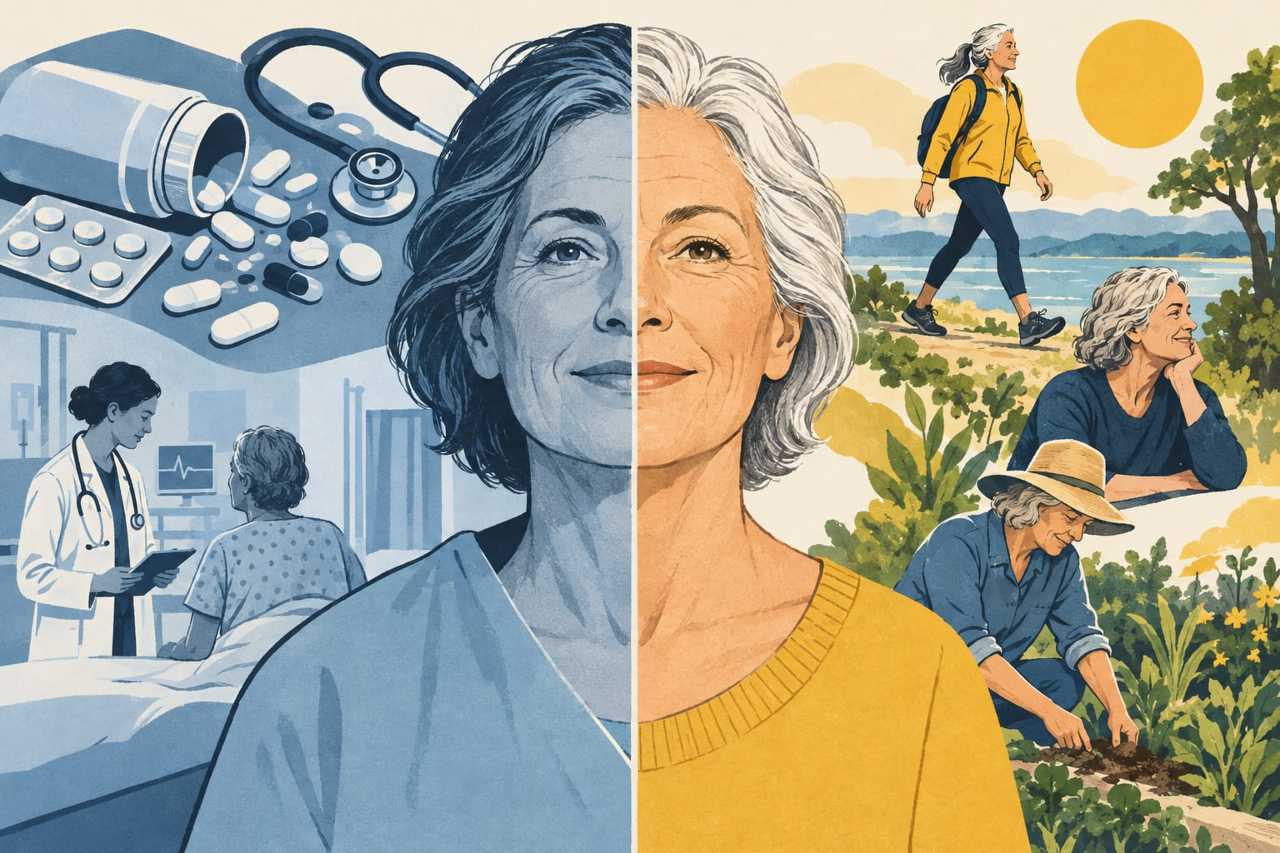
Here's a number that stopped me mid-coffee: by 2030, every single baby boomer in America will be over 65. That's 1 in 5 of us. Four years after that, older adults will outnumber kids for the first time in U.S. history.
I'm 69. I'm part of that wave.
A recent column in the Honolulu Star-Advertiser made a point I haven't stopped thinking about: aging itself isn't a disease. But the stuff that often tags along with it — chronic illness, mobility problems, memory decline, loneliness, mental health struggles — that's a public health issue. And it's getting bigger by the year.
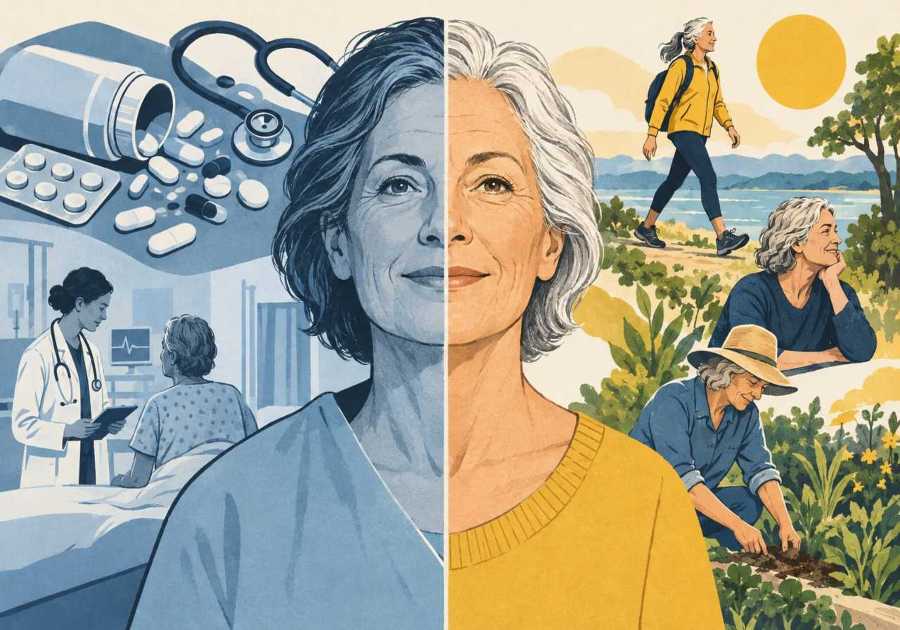
Why does that distinction matter? Because if we treat aging like a problem to be managed, we build a world of waiting rooms. If we treat it like a stage of life to be supported, we build something different entirely.
It's Not Just About Doctors
The column makes a case I think gets overlooked: good health care matters, but it's not the only lever we have. Access to safe housing. Reliable transportation. Nutritious food. Social connection. All of these shape how we age, and all of them are built — or broken — by the communities around us.
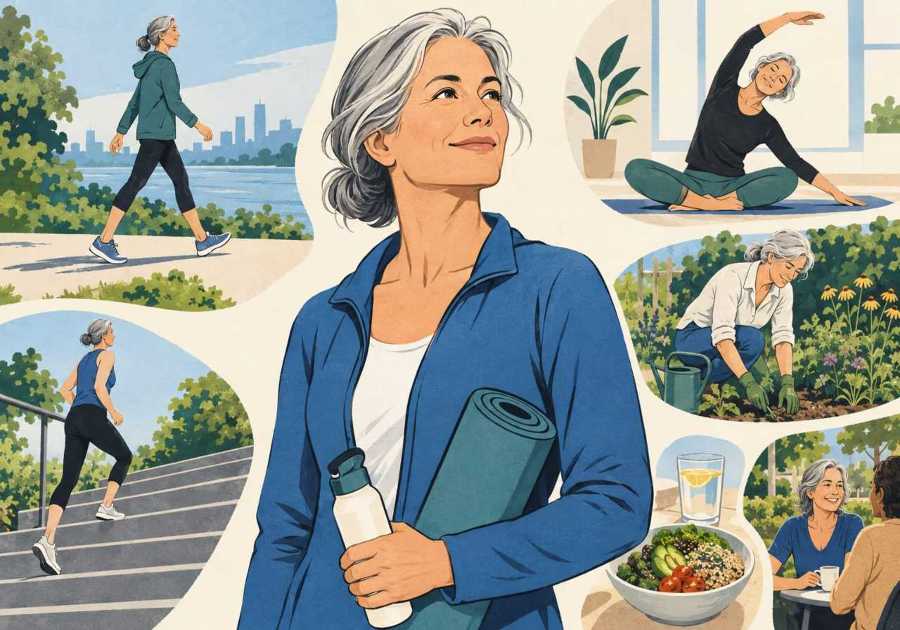
Public health, at its core, is about prevention. Catching things early. Educating people. Building environments that support well-being before a crisis hits. Applied to aging, that means preventive screenings, physical activity, and community programs that exist before someone ends up in the hospital, not after.
That's a mindset shift. And I get why it matters personally. I've spent the last eight years traveling full-time, moving through dozens of countries, meeting people decades younger and decades older than me. The ones aging the best aren't the ones with the most pills. They're the ones still connected — to people, to purpose, to movement.
Loneliness Isn't Just Sad. It's Dangerous.
Here's something the column points out that deserves more attention: social isolation isn't just an emotional problem. It's a physical one. It can genuinely harm an older adult's health.
And loneliness doesn't happen in a vacuum. Unsafe sidewalks. Transportation that doesn't exist. Housing nobody can afford. Limited chances to actually get out and connect with other humans. Fix the environment, and you start fixing the isolation.
I think about this every time I land somewhere new. Walkable towns. Public plazas where people actually gather. Transit that works for someone without a car. Those aren't just nice-to-haves for travelers like me — they're lifelines for the people who live there permanently, especially as they get older.
The Disease List Nobody Wants
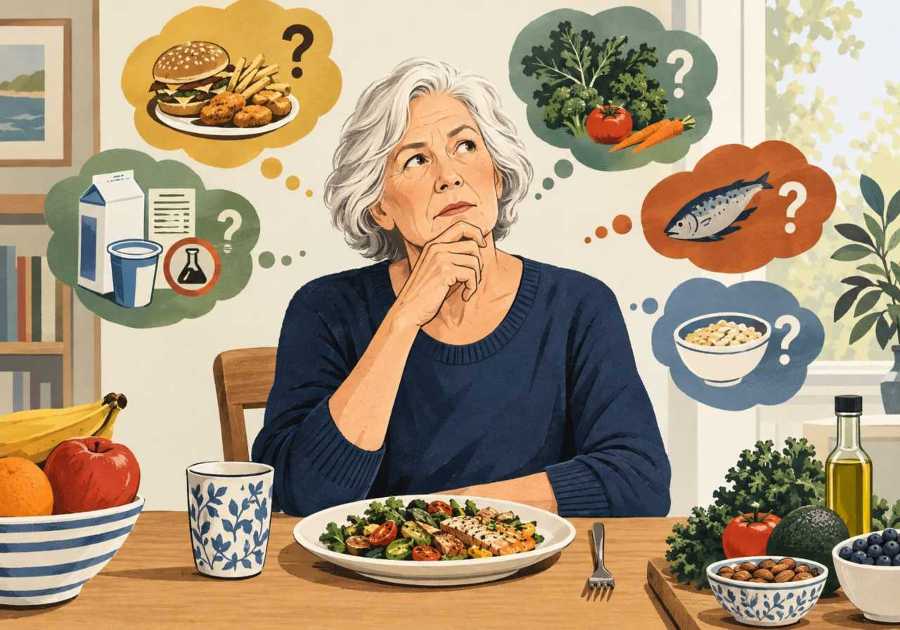
Heart disease. Diabetes. Hypertension. These threaten independence more than almost anything else as people age. Preventive care, affordable medication, decent food, and basic health education can all reduce the damage.
But here's the catch the column nails: telling people to "make healthier choices" doesn't mean much if they can't afford the choice in the first place. You can't lecture someone into health when they don't have access to fresh food or a doctor they can see without going broke.
Aging Isn't Fair. Neither Is Health.
This is the part that hit hardest. People don't age on equal footing. Poverty, discrimination, decades of physical labor, spotty health care, unstable housing — all of it stacks up over a lifetime. By the time someone's 70, those disadvantages have compounded for 50-plus years.
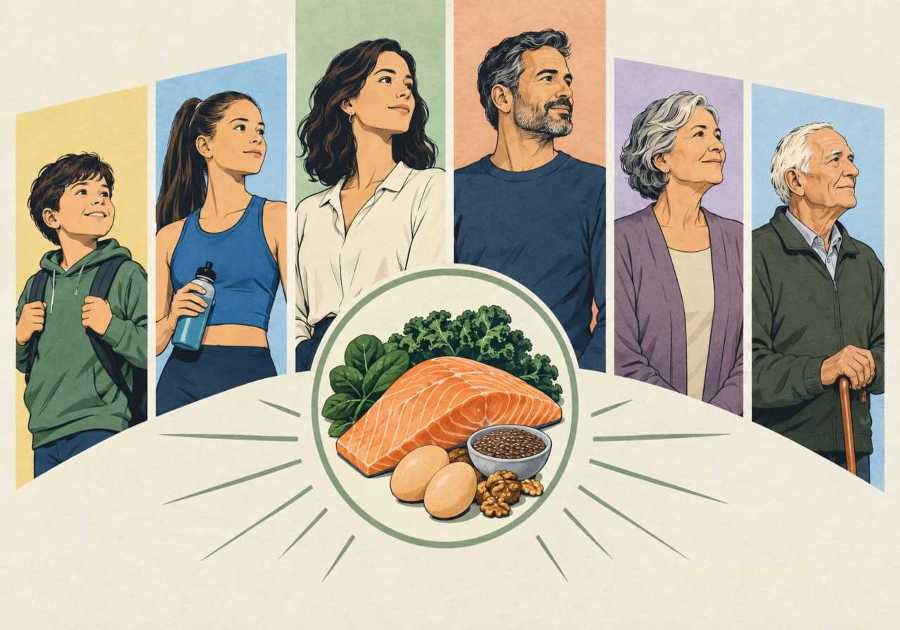
So healthy aging isn't just a personal project. It's an equity issue. Everyone deserves a fair shot at aging with dignity, not just the people who happened to start further ahead.
What This Means for You
I didn't slow down at 65. I didn't wait for permission to keep exploring, keep learning, keep moving. Age was never the thing holding me back — access was always the real variable. Transportation, connection, affordable care, communities built for people to thrive at every stage.
That's the real takeaway here. Aging isn't the enemy. The systems we build around it are either helping us thrive or quietly working against us.
So ask yourself: what's one thing in your own community — a sidewalk, a bus route, a clinic, a neighbor you haven't called in a while — that could use a little more support?
Adventure has no age limit. But it helps when the world's built to let us keep having it.
Source: Honolulu Star-Advertiser
If you missed it: Turns Out You Don't Need an Hour at the Gym to Age Well