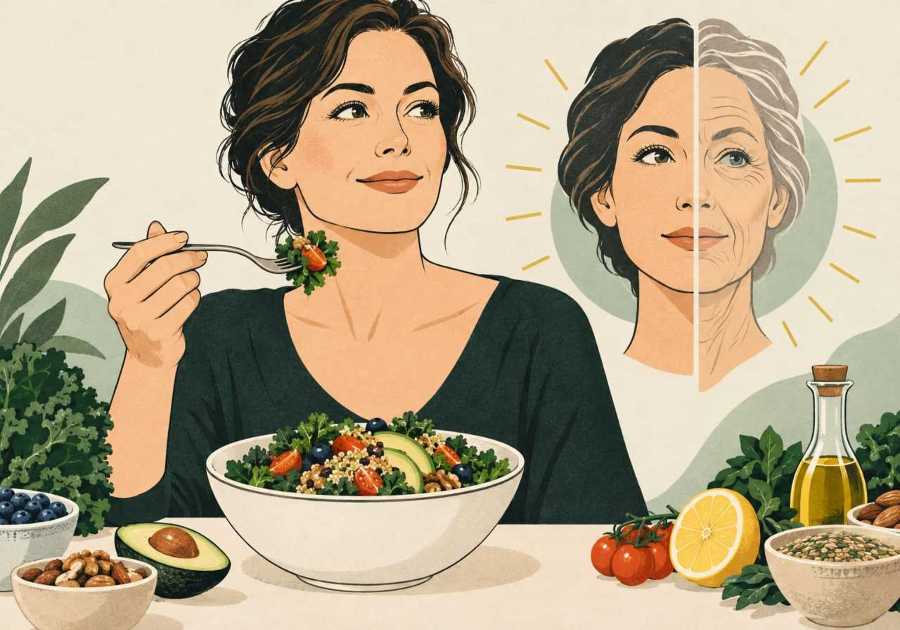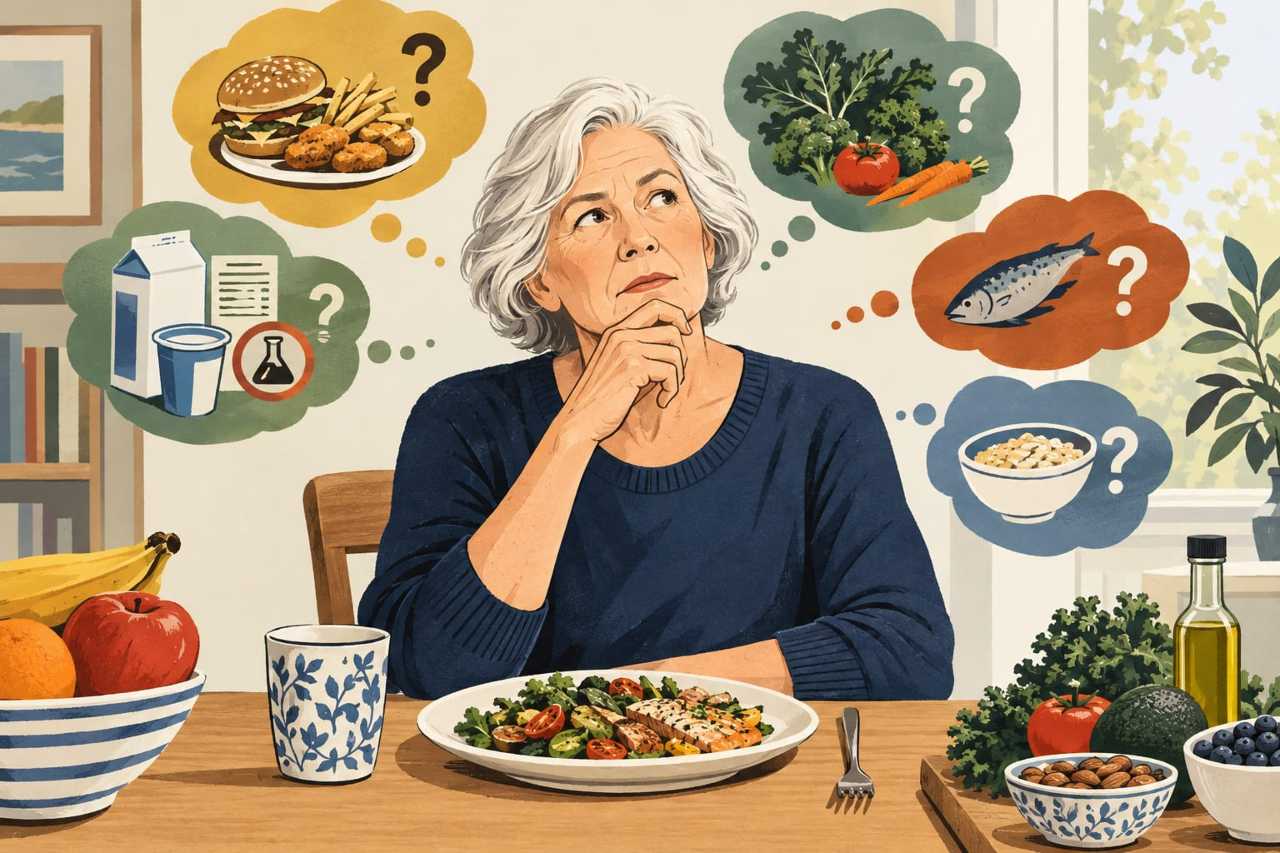
A friend of mine, somewhere around my age, told me she'd gone almost entirely plant-based. No big announcement, no dramatic health scare. She just started asking a simple question: what happens if I eat less meat and more vegetables?
That question is worth asking at any age. But it turns out it matters more the older you get.
The Body Changes the Rules on You
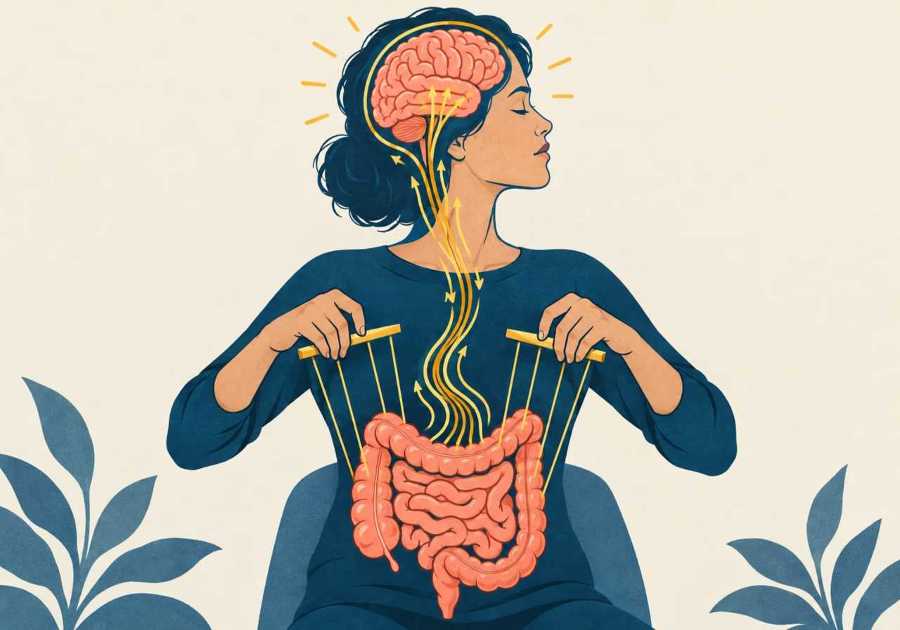
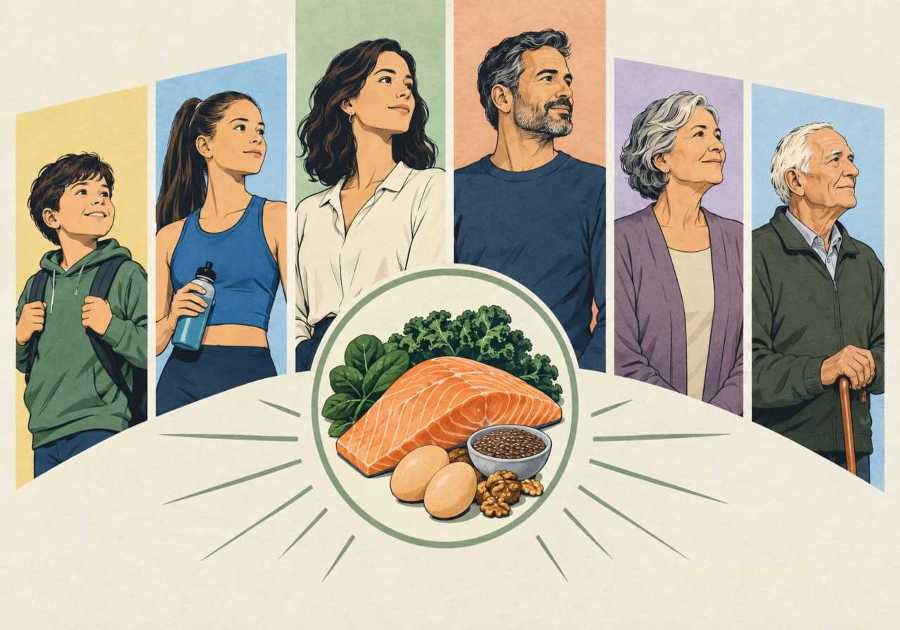
Here's something nobody tells you in your 30s: your nutritional needs don't stay the same forever. As you age, your body processes protein differently, your digestion slows down, and inflammation becomes a bigger player in how you feel day to day. A diet that worked fine at 40 might be working against you at 65 or 70.
Plant-based eating has been getting attention from researchers and doctors as one way to deal with that shift. More fiber. More antioxidants. Less saturated fat clogging things up. The kind of foods that help with heart health, blood sugar, and inflammation — three things that tend to become bigger concerns as the years add up.
I'm not a doctor and I'm not here to hand you a meal plan. But I am someone who's spent years traveling full-time, eating whatever's put in front of me in a dozen different countries, and paying attention to how my body reacts. And here's what I've noticed: the places where people eat mostly plants — lots of vegetables, legumes, whole grains — are often the places where people seem to stay active and sharp well into old age. That's not a coincidence. It's been studied plenty.
It's Not About Giving Up Everything You Love
The mistake people make is thinking "plant-based" means becoming a strict vegan overnight, throwing out the steak, and surviving on kale. That's not it, and honestly, that kind of all-or-nothing thinking is why most diets fail.
A more useful way to think about it: shift the ratio. Instead of meat being the main event with a side of vegetables, flip it. Make the vegetables, beans, and whole grains the main event, and let meat become the side, if it shows up at all.
Try it for a week. See what happens. That's the whole experiment. You don't need to swear off anything forever — you just need to notice how you feel when the balance changes.
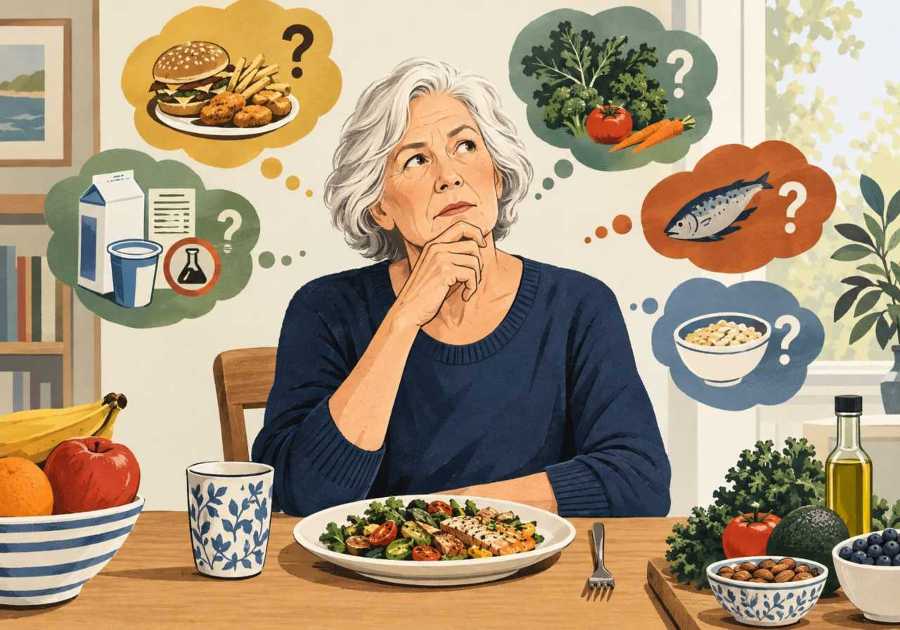
Protein Is the Question Everyone Asks
I get it — "where do you get your protein?" is the question that stops a lot of people before they even start. Fair question. The answer is lentils, chickpeas, beans, tofu, nuts, quinoa. Older adults actually need a bit more protein than younger folks to maintain muscle, so this isn't a small detail. But plant sources can absolutely cover it. It just takes a little more intention than grabbing a chicken breast.
Start Small, Stay Curious
If you're thinking about trying this, don't treat it like a finish line you have to reach. Treat it like an experiment. Swap one meal a day. Try a bean-based soup instead of the usual sandwich. See how your energy feels a week later.
I've built a lot of my life around that same approach — try something, pay attention, adjust, keep moving. Whether it's a new country, a new route, or a new way of eating, the method is the same: you don't need certainty before you start. You just need curiosity.
Why This Matters More Than You Think
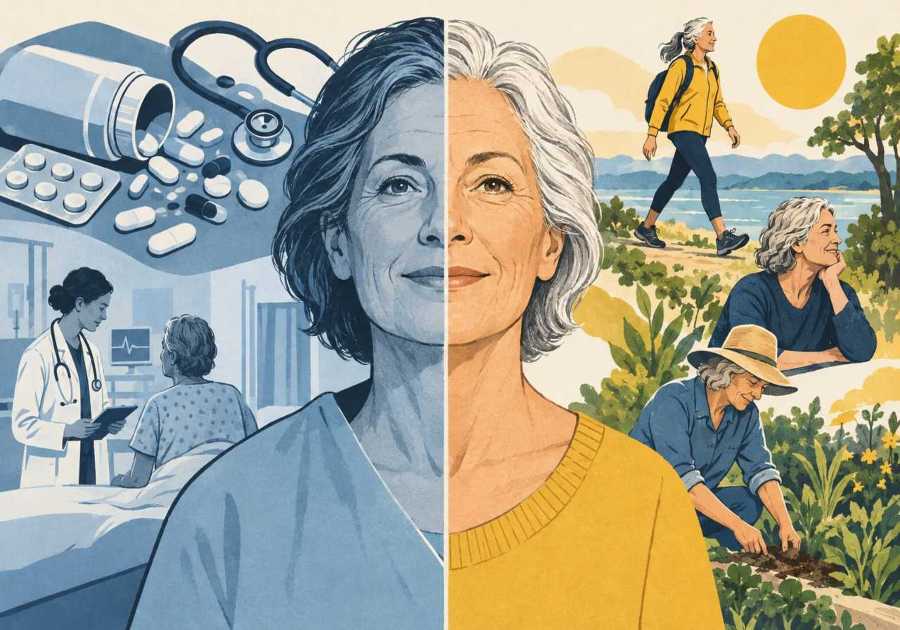
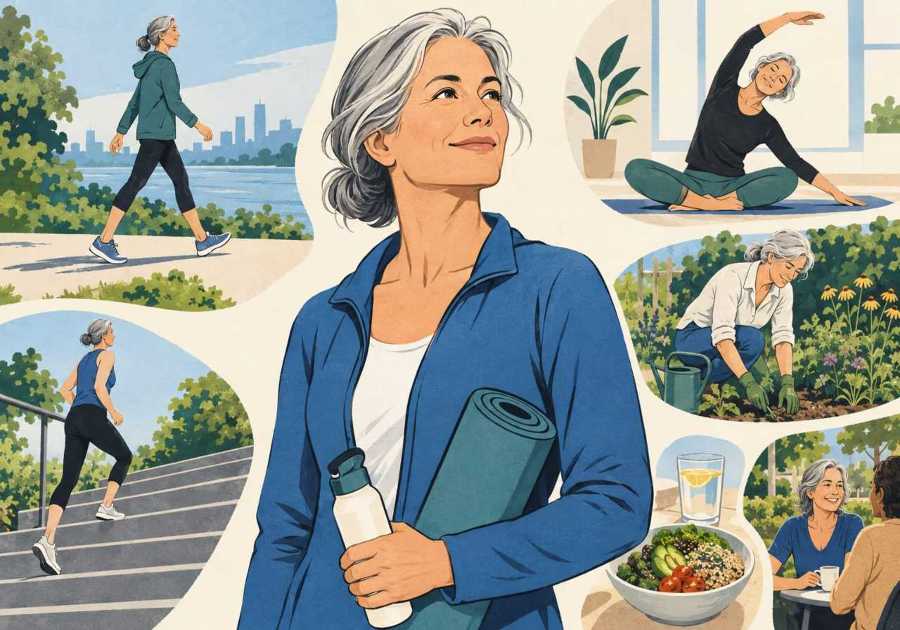
Getting older isn't a reason to shrink your choices. It's a reason to get more deliberate about them. What you eat affects how much energy you have to do the things you actually want to do — travel, walk, garden, chase grandkids, whatever your version of adventure looks like.
Almost 70 myself, I've learned that the body keeps giving you information if you're willing to listen. A plant-based plate is just one more way to ask it a question and actually hear the answer.
So what's stopping you from trying it for a week?
Source: LancasterOnline
Before this, we covered: Aging Isn't a Disease. So Why Do We Treat It Like One?