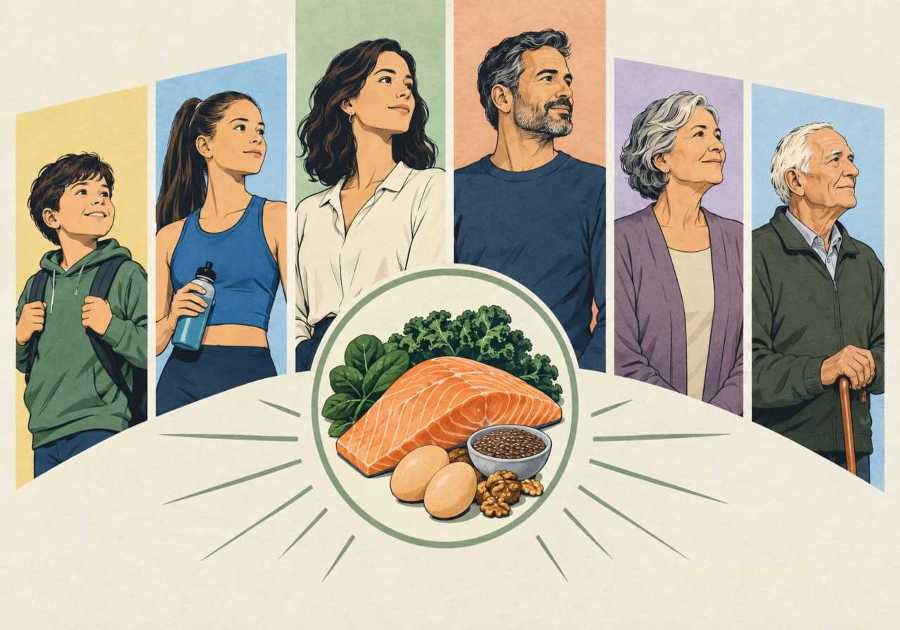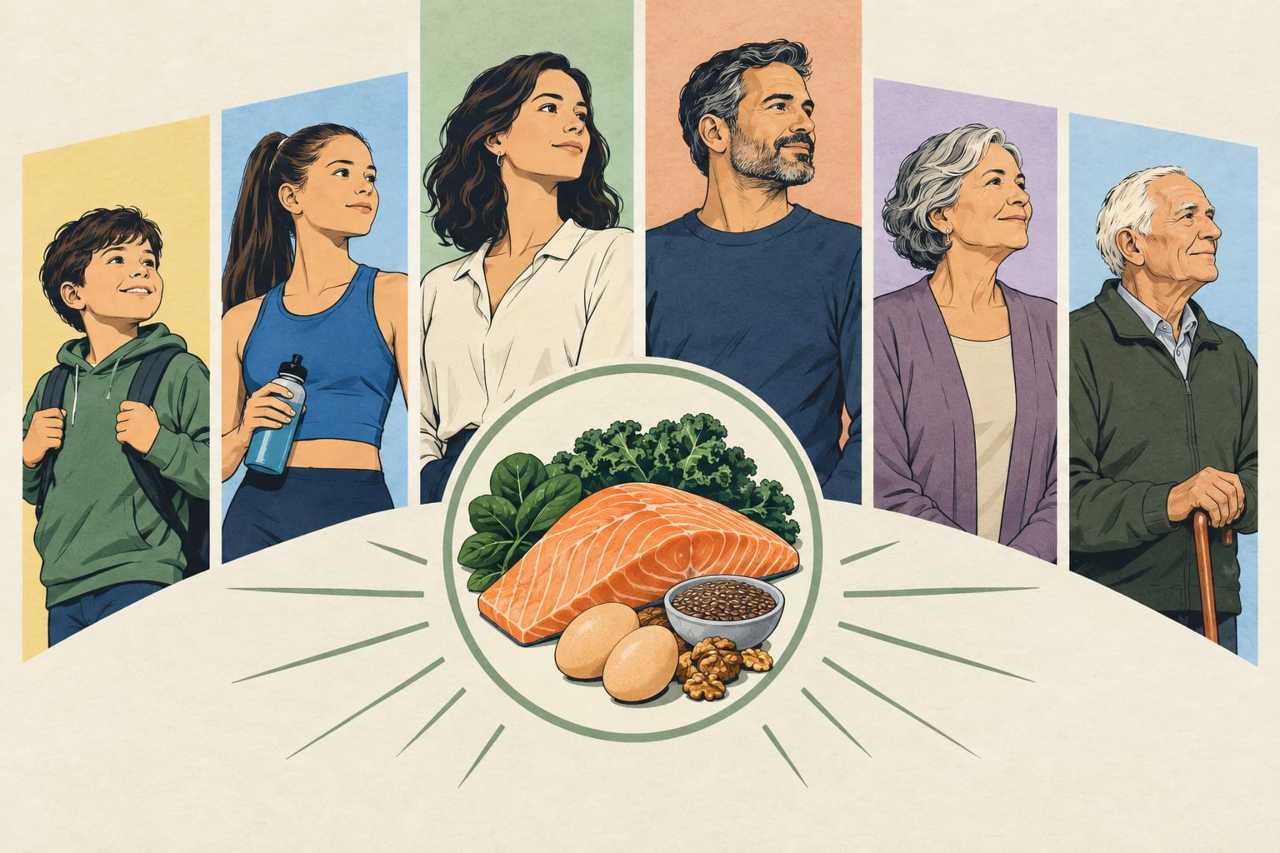
I'm closing in on 70, and I've stopped thinking about age as a countdown. It's more like a map. Every decade asks something different of you — and your body will tell you what it needs, if you're paying attention.
A group of registered dietitians recently broke down exactly that: the one nutrient that matters most in each decade of a woman's life, from her 40s all the way into her 80s. I found it fascinating, not just for the women in my life, but because it's a reminder that staying active and independent later in life isn't luck. It's maintenance.
Here's what they found.
In Your 40s: Iron
Perimenopause often shows up first through changes in your cycle — heavier periods, more fatigue. Dietitian Blanca Garcia says that extra blood loss means extra iron loss, too. And here's the sneaky part: you don't need full-blown anemia to feel the effects. Dietitian Shy Vishnumohan points out that a woman can have normal hemoglobin while her iron stores are quietly running low, leaving her foggy and exhausted without an obvious reason why.
If your periods have changed and your energy has tanked, ask your doctor to check your ferritin levels. Good sources: beef, lentils, white beans, spinach, shellfish, and tofu.
In Your 50s: Calcium
Most women hit menopause in their 50s, and that's when estrogen's protective effect on bone starts to disappear. Dietitian Nicole Ibarra says this is when osteoporosis risk climbs fast. According to the National Institutes of Health, bone density can drop about 1% a year after menopause.
Your calcium needs actually go up during this stretch — from 1,000 mg to 1,200 mg a day at 51, says dietitian Kate Morton. But calcium alone won't do the job; you need vitamin D to absorb it. Think yogurt, sardines, canned salmon, tofu, and a little sunshine.
In Your 60s: Protein
This is the one that got my attention. Muscle loss speeds up after 60, and it doesn't just affect strength — it affects balance and blood sugar control, too. Dietitian Whitney Stuart recommends aiming for 25 to 30 grams of protein at every meal, not just dinner.
But protein alone isn't the whole trick. Vishnumohan put it well: protein supplies the building material, but strength training gives your body a reason to actually use it. One small study found older women combining high protein intake with resistance training gained 4% more muscle mass than those who skipped the weights. I lift something heavy almost every week on the road — a kayak, a suitcase, occasionally my own stubbornness. Turns out that's not just useful. It's medicine.
In Your 70s: Vitamin B12
Once you're in your 70s, your stomach produces less acid, and that makes it harder to absorb B12 — a nutrient your nerves and red blood cells depend on. Add in common medications like acid reducers or metformin, and the risk climbs further, says Stuart.
Low B12 can show up as fatigue, brain fog, depression, or trouble with coordination — symptoms easy to blame on "just getting older." Worth getting checked instead of assuming. Good sources include salmon, eggs, dairy, beef liver, and fortified cereal.
In Your 80s and Beyond: Vitamin D
Later in life, people tend to spend less time outside, and aging skin produces less vitamin D from the sun you do get. That combination raises deficiency risk significantly. Stuart notes vitamin D matters at every age, but in your 80s it's directly tied to bone strength, muscle function, and preventing falls.
The Endocrine Society's 2025 guidelines now recommend that everyone over 75 take at least 400 IU of vitamin D daily, regardless of their current levels. Trout, canned sardines, mushrooms exposed to UV light, and fortified plant milks are solid food sources — with your doctor's blessing before adding a supplement.
Why This Matters Now
None of these nutrients work in isolation, and none of them are a reason to panic. They're just clues — your body handing you a note that says "pay attention here."
I've learned that getting older isn't about slowing down to protect yourself. It's about giving your body what it actually needs so you can keep moving, keep exploring, keep saying yes to the next trip. What decade are you in right now — and what's your body been trying to tell you?
Source: Prevention
Catch up on our earlier post: Your Blood Might Already Know What Your Brain's Doing Decades From Now