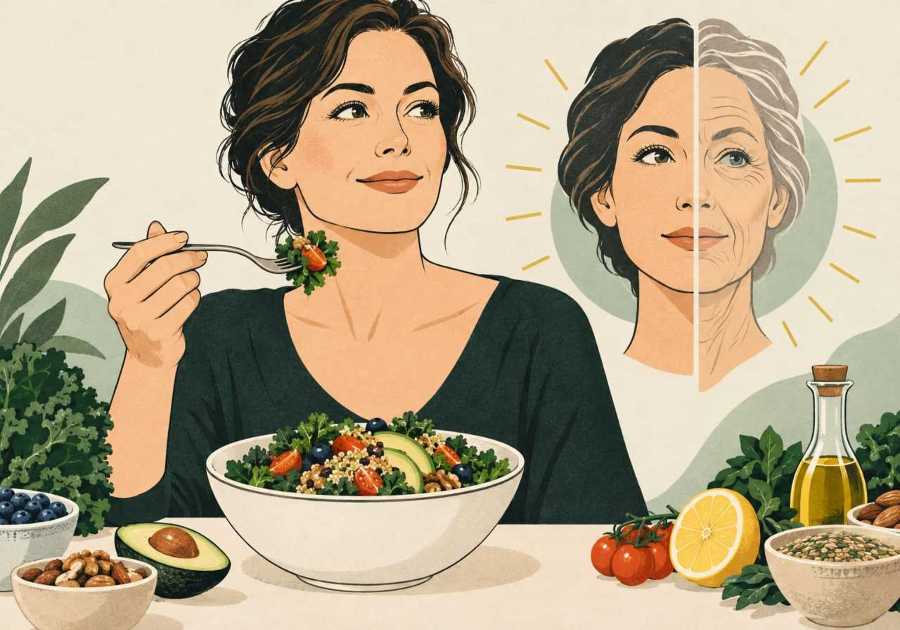
I've eaten my way through a lot of countries since 2017. Street food in Bangkok, tapas in Barcelona, way too much pasta in Italy. Along the way I've picked up a question I can't shake: does what's on my plate actually change how fast I'm aging?
Turns out there's real science on this now, and it answers the question in a way that's refreshingly simple.
A study published in Nature used something called an epigenetic clock to measure biological age — not the number on your driver's license, but how old your cells actually behave. Researchers wanted to know which diet wins the longevity game. Mediterranean? DASH? Some other acronym you've seen on a magazine cover at the checkout line?
Here's the twist. They tested eight different healthy dietary patterns. Eight. And instead of crowning one champion, they found something more interesting.
How Your Cells Keep Score
Your DNA doesn't change much over your lifetime, but how it's expressed does. One of the main ways that happens is through methylation — tiny chemical tags that turn genes up or down like dimmer switches. Scientists can read these methylation patterns and estimate your biological age with surprising accuracy.
Think of it as your body's odometer, except it's not just counting miles. It's measuring wear and tear based on how you've actually lived.
The researchers ran an EWAS — an epigenome-wide association study — on people following these different healthy eating patterns. They wanted to see which specific genes were getting dialed up or down with each diet, then compared the results across all eight patterns using cross-omics analysis. That's a fancy way of saying they looked at the chemistry from multiple angles at once instead of just one narrow slice.
The Surprising Part
Each diet left its own unique fingerprint on the DNA methylation map. Mediterranean eaters showed different patterns than DASH followers, who showed different patterns than people on other healthy regimens.
But here's what mattered more: no matter which healthy pattern people followed, they all aged more slowly, epigenetically speaking, than the general population.
Different roads, same destination. The diets were hitting similar biological targets — cell structure, cellular signaling, metabolism — the exact systems tied to chronic disease and aging. So the mechanisms looked different on paper, but the outcome was consistent across the board.
Why This Actually Matters
I've watched people agonize over which diet is the "correct" one, like there's a secret password that unlocks eternal youth. Keto versus Mediterranean versus whatever's trending on social media this month.
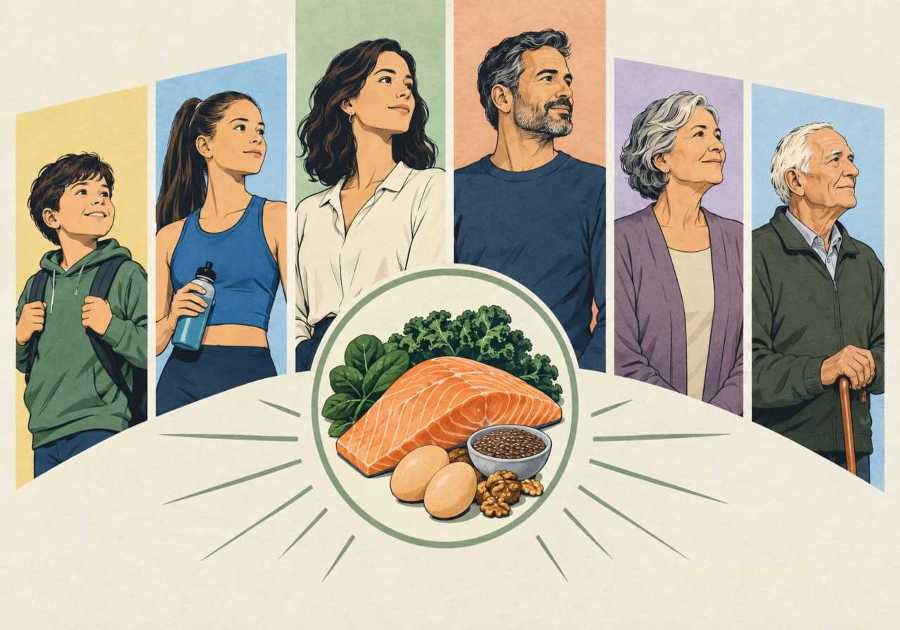
This study suggests that debate might be missing the point. You don't need to find the one perfect diet. You need to consistently eat something healthy — and stick with it.
That's good news for anyone who travels, works odd hours, or just doesn't want to turn eating into a part-time research project. I've eaten Mediterranean-style in Portugal and something closer to DASH when I was in the States visiting family. Different ingredients, different kitchens, same basic principle: real food, consistently, over time.
And consistency is the real lever here. Not perfection. Not some rigid plan you abandon after three weeks. The people in this study who aged slower weren't the ones chasing the trendiest diet — they were the ones who stuck with a healthy pattern long enough for their biology to notice.
What I'm Taking From This
At nearly 70, I'm not interested in anti-aging gimmicks. I'm interested in what actually works, because I've got more places to see and I'd like my body to keep up.
This research tells me the answer isn't complicated or expensive. It's not a supplement or a $200 meal delivery subscription. It's choosing real, whole food on a regular basis, wherever I happen to be in the world.
So here's a question worth sitting with: if the "best" diet is really just any healthy diet you can maintain for years, what's stopping you from starting today, with whatever's already in your kitchen?
Sometimes the simplest answer really is the right one. Now go eat something that'll still be working for you in twenty years.
Source: Labroots
Catch up on our earlier post: Your Gut Might Be Running the Show in Your Brain