I've eaten some strange things in some strange places. Fermented shark in Iceland. Street-cart tempeh in Bali. A bowl of something in rural Vietnam that I still can't fully identify. And every time, I've wondered: what's actually happening in there?
Turns out, maybe more than I thought.
A new review just came out looking at diet and brain aging, and the big takeaway isn't "eat more kale" or "cut the sugar." It's about the trillions of bacteria living in your gut, and how they might be the real messengers between what you eat and how sharp your mind stays as you get older.
The Gut-Brain Connection Isn't New, But the Details Are
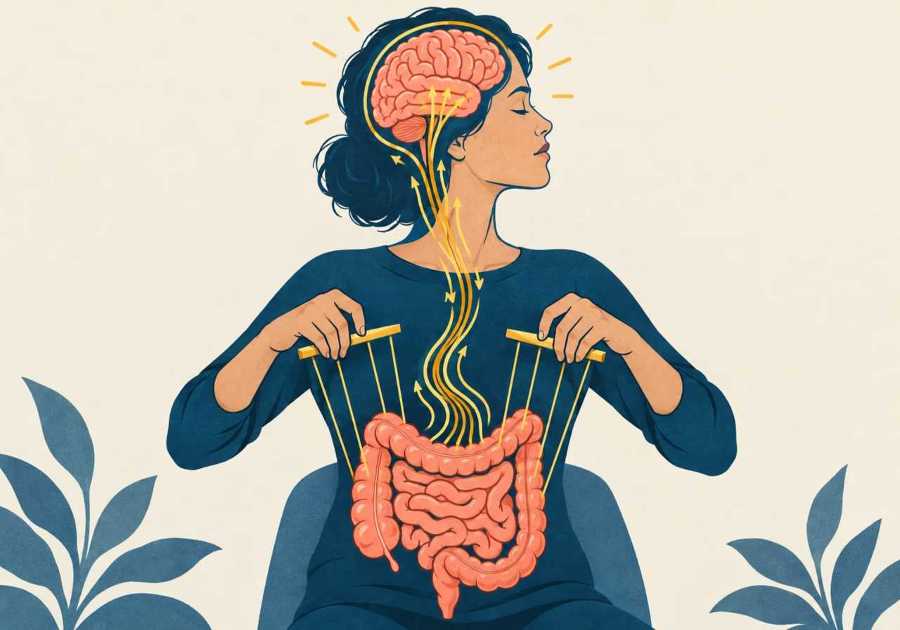
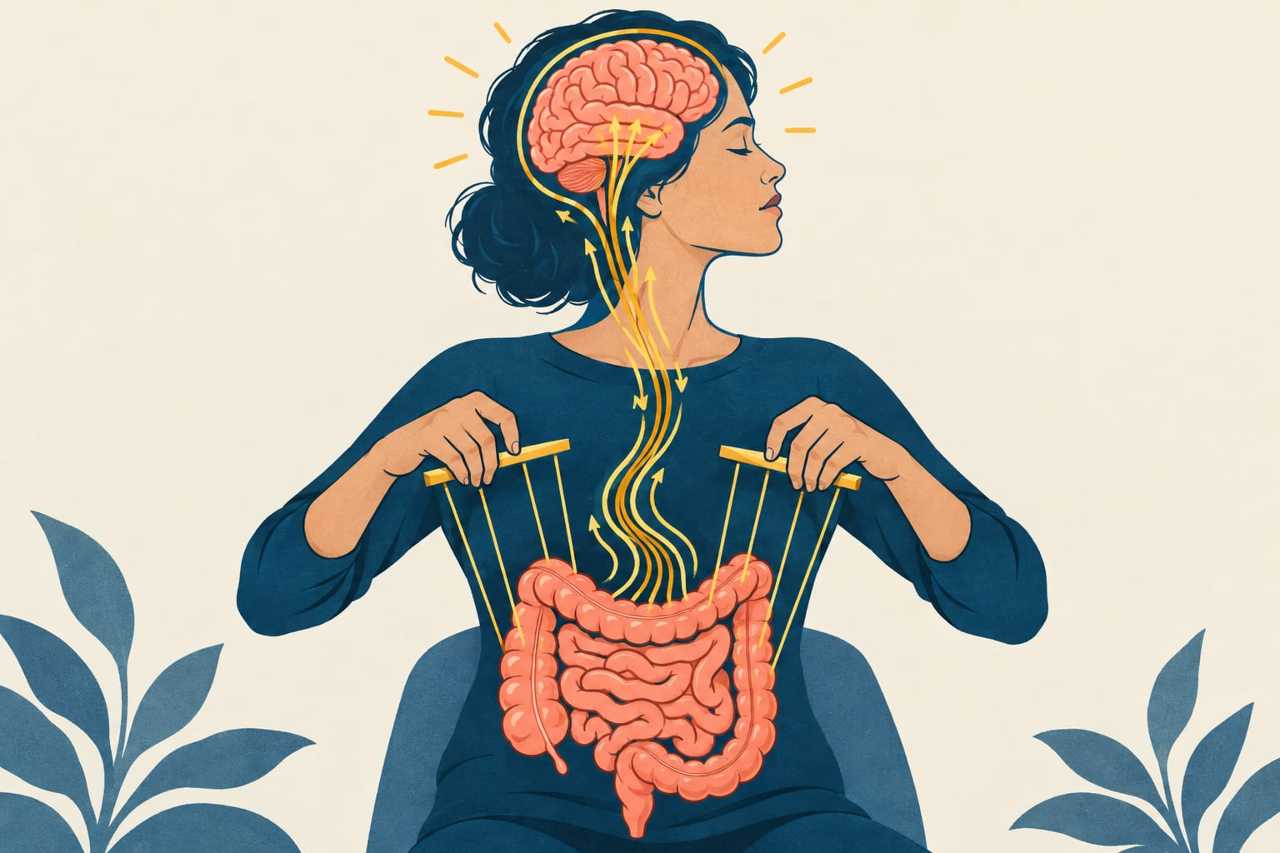
Scientists have known for a while that the gut and brain talk to each other. There's a whole communication network, nerves, hormones, immune signals, running between your digestive system and your head. Researchers call it the gut-brain axis.
What this review does is put the gut microbiota, the community of bacteria living in your intestines, right at the center of that conversation. The idea is that diet doesn't just feed you. It feeds your bacteria. And those bacteria produce compounds that can either support your brain or quietly work against it.
Why does this matter? Because cognitive decline isn't something that just happens to us as a side effect of getting older. It's influenced by things we can actually control. And if the gut is the middleman between your fork and your brain, that opens up a lot of questions worth asking.
What Happens If You Change What You Feed Your Bacteria?
That's the question I keep coming back to. Not "what's the one superfood," but what happens if you shift the whole environment inside you?
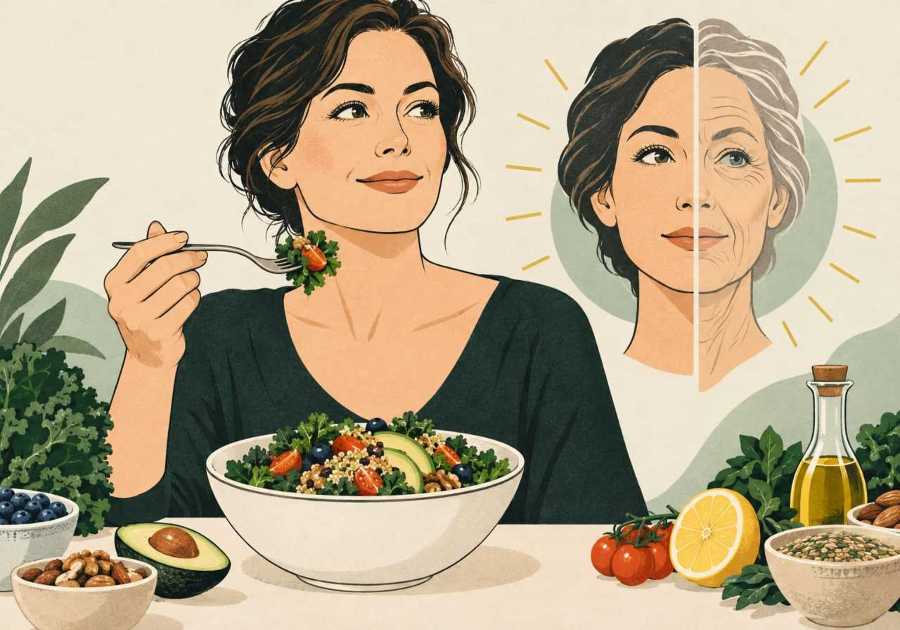
The review points toward diets rich in fiber, fermented foods, and plant diversity as ones that tend to support a healthier microbiome, one that produces beneficial compounds like short-chain fatty acids, which have been linked to lower inflammation and better brain function. Diets heavy in ultra-processed food seem to do the opposite, feeding bacteria that may contribute to inflammation that reaches the brain over time.
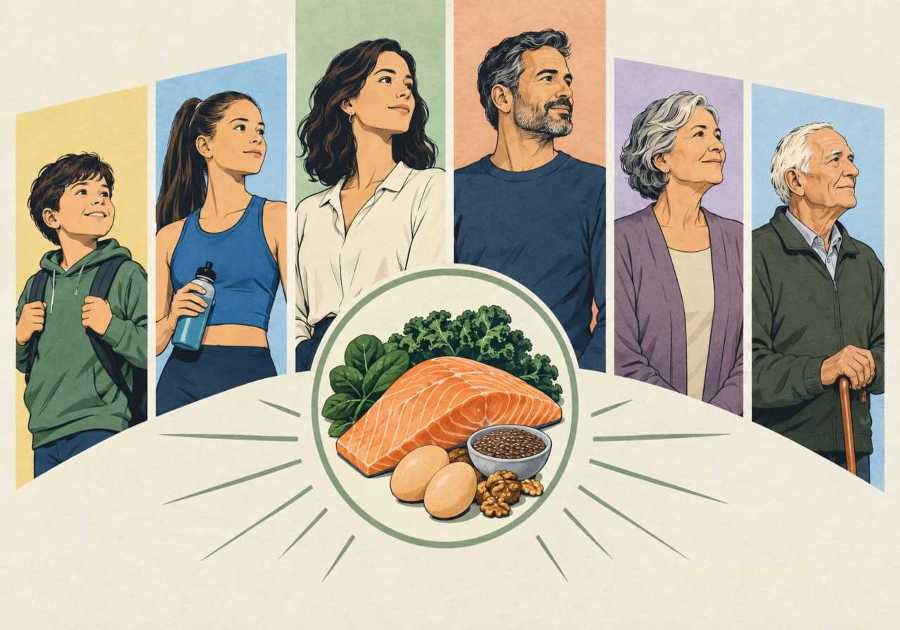
None of this is a miracle cure. But it's a reminder that the food choices we make at 40, 50, 70, are compounding. Not in a scary way. In a "there's still time to adjust course" way.
I've been traveling full-time since 2017, and one thing that's changed is how differently I eat depending on where I am. In Portugal, it was fish, olive oil, and bread I still think about. In Mexico, it was beans, corn, and more fermented things than I expected. Different regions, different microbiomes, probably. Nobody there was talking about gut health as a trend. It was just how people had always eaten.
Age Isn't the Problem, It's the Clue
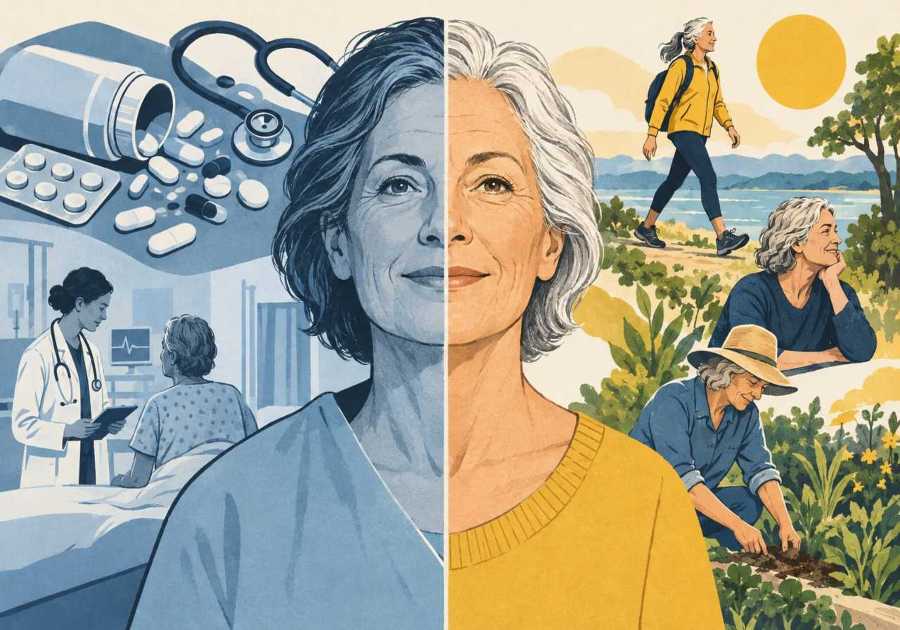
Here's what I find genuinely encouraging about this research. It doesn't treat getting older as a slide toward decline you just have to accept. It treats the aging brain as something still responsive, still capable of change, depending on what you feed it.
I'm almost 70. I don't think of that as a countdown. If anything, studies like this make me more curious, not less, about what's possible. If a bowl of lentils and some fermented vegetables can influence how my brain functions in ten years, that's not a limitation. That's a lever I get to pull.
So What Do You Actually Do With This?
You don't need a lab coat or a subscription to a supplement company. Start simple. More fiber. More plant variety, actually, more types of plants, not just more plants. Some fermented foods, yogurt, kimchi, sauerkraut, kefir, whatever fits your life and your travels. Less ultra-processed food, not because some headline says so, but because now there's a mechanism, a reason, that makes sense.
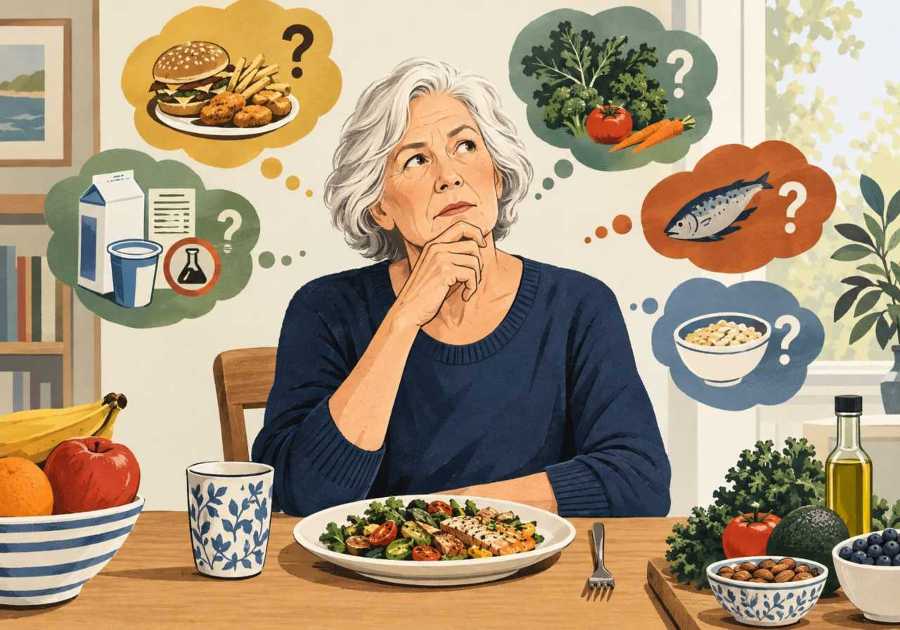
And maybe ask your own questions. What happens if you add one new fermented food a month? What happens if you try the regional diet of wherever you're visiting next instead of the hotel buffet?
That's the real invitation here. Not a strict rulebook, but an experiment you get to run on yourself, one meal at a time, for as long as you're curious enough to keep going.
Source: EurekAlert!
Related reading from us: Why I Started Questioning Everything I Ate After I Turned 65