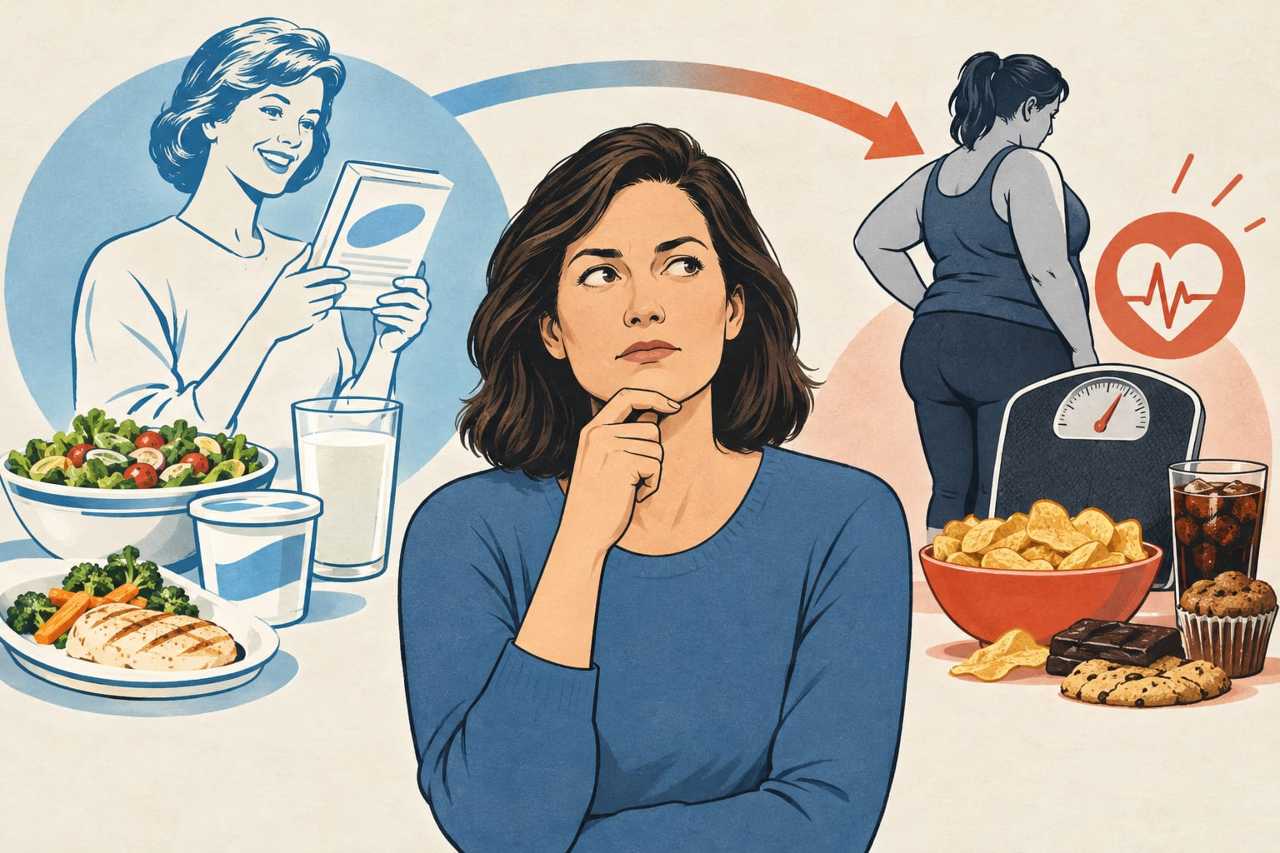
Remember when every box of milk in the fridge had "low-fat" or "skim" plastered on the front? I remember switching to skim milk in the '80s because everyone said full-fat dairy would clog my arteries. Turns out that advice might have cost us something we didn't even know we needed.
Here's the twist. Scientists are now circling back to a fatty acid called C15:0, found naturally in full-fat dairy and some fish. And they're asking a question worth paying attention to: did decades of avoiding whole milk and real cheese quietly drain this nutrient out of our diets?
What exactly is C15:0?
C15:0 goes by the name pentadecanoic acid if you want to sound smart at dinner parties. It's a saturated fatty acid that shows up mostly in whole-fat dairy products. Researchers have been studying it for more than ten years now, looking at how it might affect cellular resilience, metabolic health, immune function, and healthy aging.
That last one is the part that caught my eye. Healthy aging isn't a buzzword to me anymore. It's daily life. I'm closing in on 70, and I spend a lot more time thinking about how my body actually works than I did at 30.
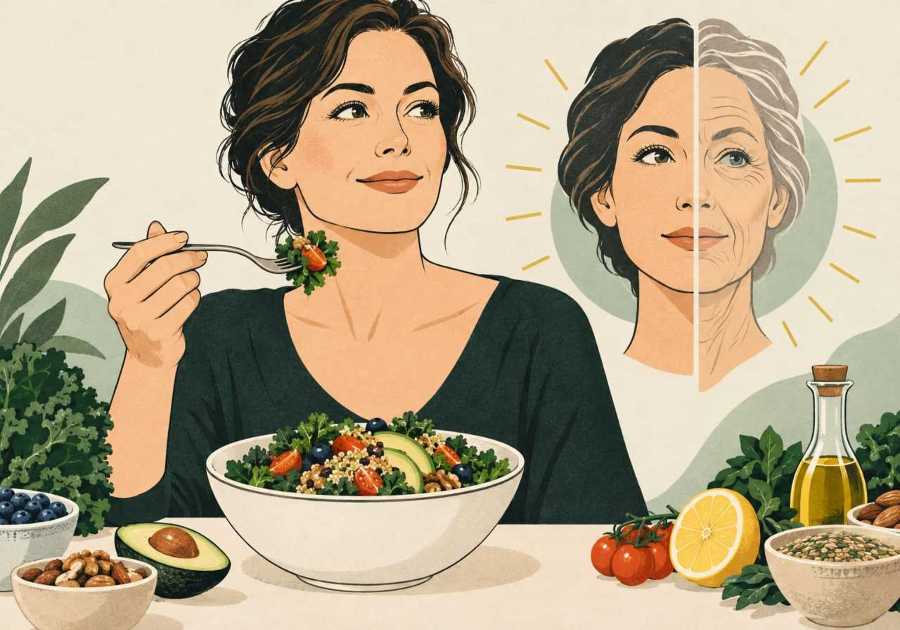
So why does a fatty acid matter for aging? It comes down to cells. Emerging research suggests that lower levels of C15:0 may be linked to fragile cells and something called ferroptosis, a type of cell death tied to biological aging. Studies also suggest the nutrient may help keep cell membranes stable and protect cells from age-related wear and tear.
In other words, this isn't about looking younger. It's about your cells holding up better over time. That's a different conversation than most "anti-aging" talk, and it's the kind of thing I find genuinely interesting rather than just marketing noise.
The full-fat dairy comeback
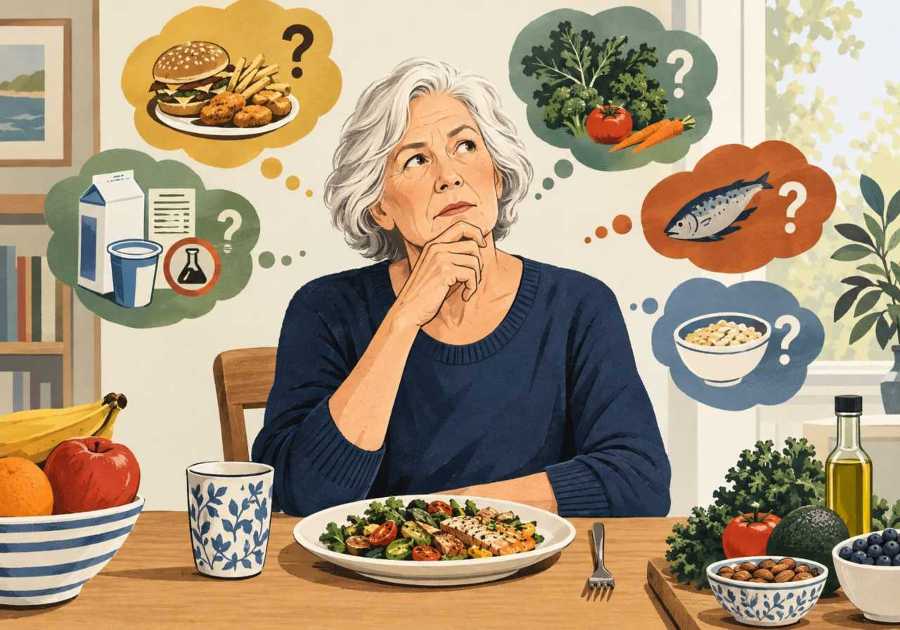
For years, the nutrition playbook was simple: cut saturated fat, go low-fat, protect your heart. Millions of people, myself included, followed that advice without questioning it much.
Now some researchers are pushing back on the idea that all saturated fats behave the same way in the body. They're taking a closer look at what full-fat dairy actually delivers, especially C15:0, and whether we tossed out something valuable along with the fat we were trying to avoid.
That doesn't mean swearing off balanced eating and diving face-first into a wheel of cheese. But it's a good reminder that nutrition science keeps moving. What was gospel 30 years ago isn't always the final word. I've learned that lesson the hard way in plenty of areas of life, not just food. Question the accepted wisdom, test it, see what the newer data says. That's how you actually learn something.
Where supplements like Fatty15 come in
If you're not drinking whole milk or eating full-fat yogurt regularly, getting C15:0 from food alone gets harder. That's created an opening for supplements like Fatty15, which delivers pure C15:0 and is built around supporting cellular health and healthy aging.
According to customer reviews cited by the company, more than 70% of users report noticing benefits within 16 weeks. People mention deeper sleep, a calmer mood, healthier skin and hair, and steadier energy throughout the day. Fatty15 also points to improvements in bloodwork related to heart, liver, and metabolic health. The product now comes as a gummy too, for anyone who's not a fan of swallowing another capsule with breakfast.
So what does this mean for you?
I'm not here to tell you to go buy a supplement. I'm here to tell you something more useful: pay attention to the "why" behind nutrition advice, not just the headline. Low-fat wasn't automatically better. It was a simplified answer to a complicated question, and we're still learning what the full answer looks like.
If you've been avoiding full-fat dairy for decades out of habit rather than evidence, maybe it's worth asking what else you've been doing the same way, just because that's what everyone said to do years ago.
That question doesn't stop at the dairy aisle. It's a pretty good one to carry into the rest of your life too.
Source: Yahoo
Missed the last one? The 5 Foods People Who Seem to Age Backward Eat Almost Every Day