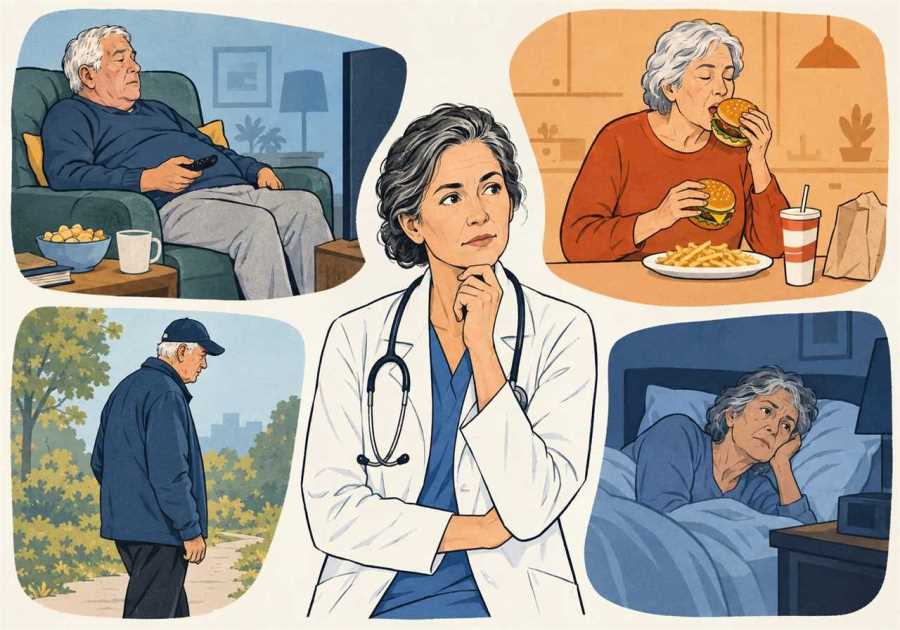
I just turned 69. Which means I've officially entered the age bracket where people start sending me articles about brain health instead of articles about, say, zip-lining in Costa Rica.
Fair enough. I'll take both.
So when a new study landed linking something called the MIND diet to slower brain aging, I had two questions. What is the MIND diet? And does it actually work, or is this another headline that'll quietly vanish by next spring?
So What Exactly Is the MIND Diet?
Turns out it's not new. Researchers at Rush University put it together years ago by mashing together two diets that already had solid reputations: the Mediterranean diet and the DASH diet, which was built to lower blood pressure.
The idea was simple. Take the parts of each diet that seem to do the most for your brain, and build something specifically aimed at protecting it as you age.
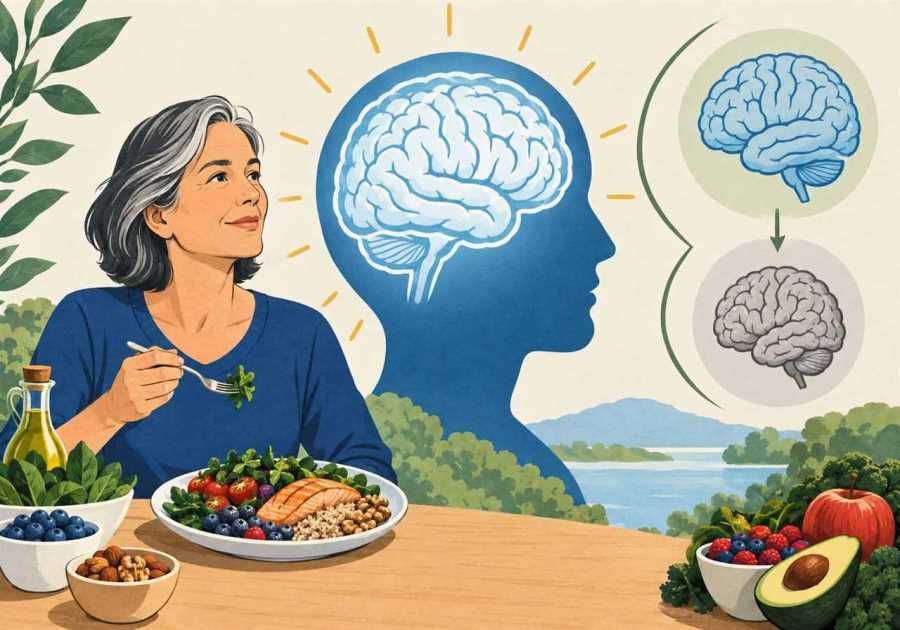
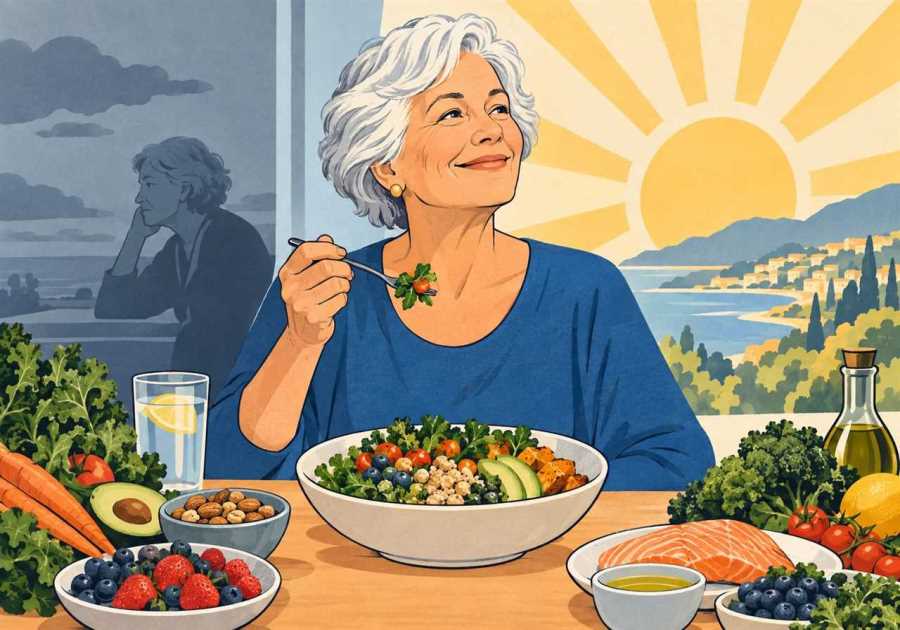
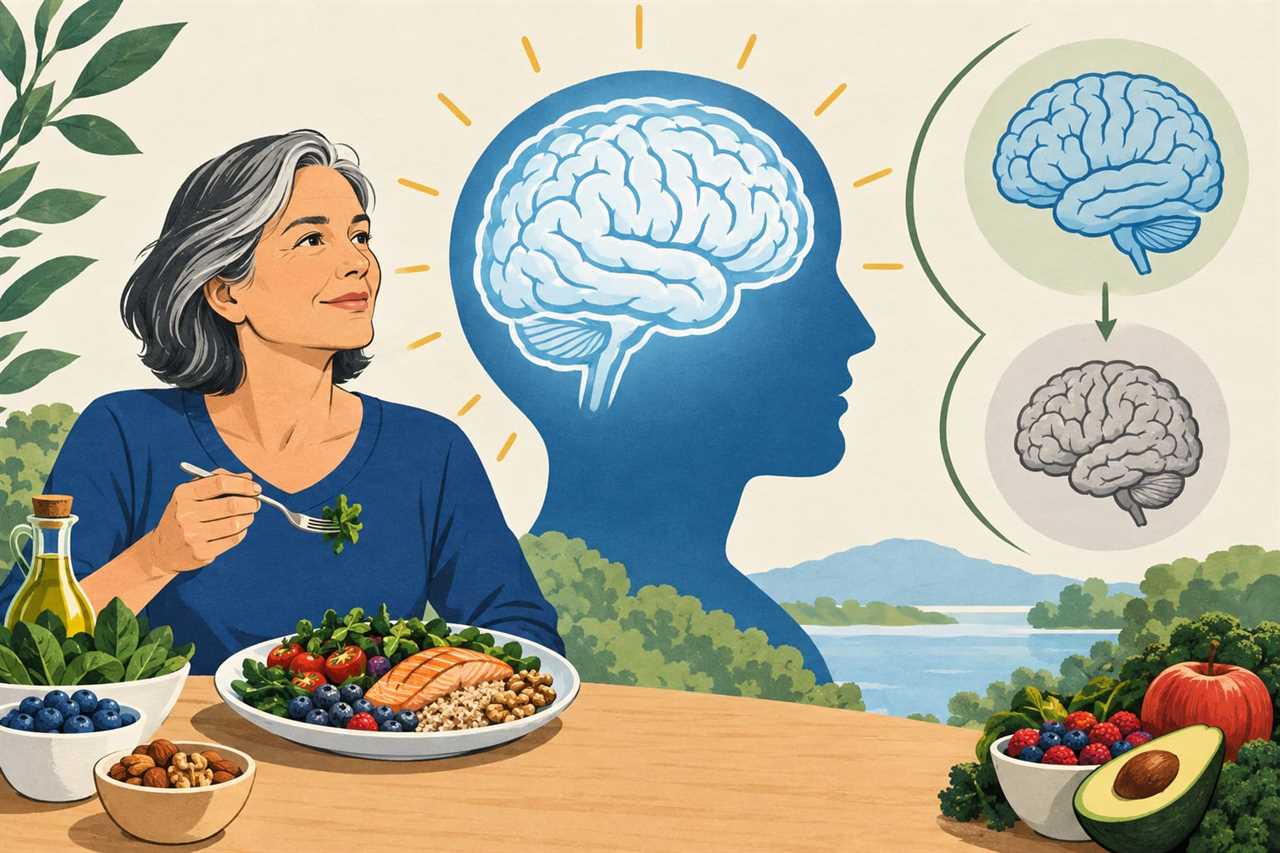
So what does eating the MIND diet actually look like? Mostly leafy greens, berries, nuts, olive oil, whole grains, beans, and fish. And it asks you to go easy on red meat, butter, fried food, cheese, and sweets.
Nothing shocking there. No powders, no supplements, no $40 smoothie you need a blender the size of a jet engine to make. Just real food, eaten regularly.
Why This New Study Caught My Attention
Diet studies come and go. Most of them tell you something sounds promising, then disappear before anyone changes their grocery list. But this one is part of a growing pile of research suggesting the MIND diet specifically correlates with slower cognitive decline as people age.
That matters, because brain aging isn't something most of us think about until we notice it. You misplace your keys once and laugh it off. You misplace them three times in a week and suddenly you're googling things at 11 p.m.
I've met plenty of people in their 80s who are sharp as anything, still planning trips, still curious, still asking good questions. And I've met people in their 50s who seem to have mentally retired already. What's the difference? Genetics play a role, sure. But so does what's on your plate, how much you move, and whether you keep challenging your brain to do new things.
Why This Matters If You Want to Keep Traveling
Here's the part that hits close to home for me. I've been traveling full time since 2017, and I plan to keep going for as long as I possibly can. That means navigating foreign airports, learning new languages badly, figuring out unfamiliar transit systems, and constantly adjusting to new environments.
None of that is easy if your brain starts slowing down.
Adventure has no age limit, but it does require a functioning brain to plan the adventure, remember where you parked the rental car, and not accidentally book a flight to the wrong city. Trust me, I've come close.
So when I hear that a handful of food choices might help protect cognitive function, I don't see it as some medical obligation. I see it as another tool for staying independent longer. Independence isn't just about money or mobility. It's about still being sharp enough to make your own decisions and go where you want, when you want.
What Happens If You Actually Try It?
I'm curious by nature, so naturally my next thought was: what happens if I actually eat like this most of the time? Not perfectly. Nobody needs to turn down a slice of real Italian pizza because a study told them to.
But swapping in more greens, more fish, more nuts, and skipping fried food more often? That's not some extreme lifestyle overhaul. It's a small, doable shift.
And honestly, that's the appeal. You don't need a complicated plan. You need consistency.
The Real Question Worth Asking
Diets come and go, but curiosity about how to live longer and better never really fades. The MIND diet isn't magic. It's not going to reverse aging or guarantee you'll remember everyone's name at a reunion.
But if a handful of simple food choices can help keep your brain sharper for longer, why wouldn't you experiment with it?
So here's my challenge to you, same as the one I give myself: try it for a few weeks. Pay attention. See how you feel.
Then go plan a trip somewhere you've never been. Your brain, and your sense of adventure, will thank you.
Source: Yahoo Creators
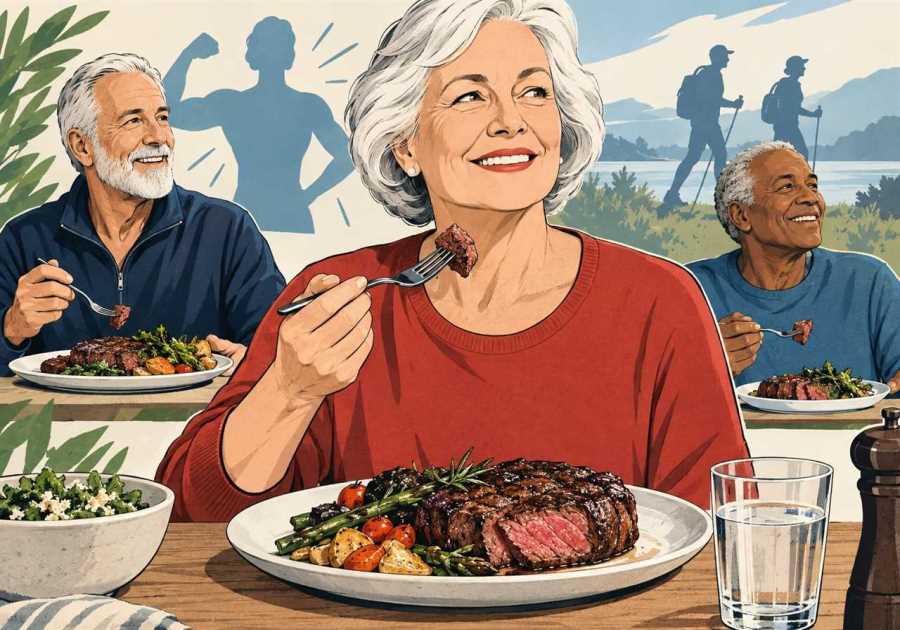
Missed the last one? Meat-Eating Seniors: A New Health Trend Emerges