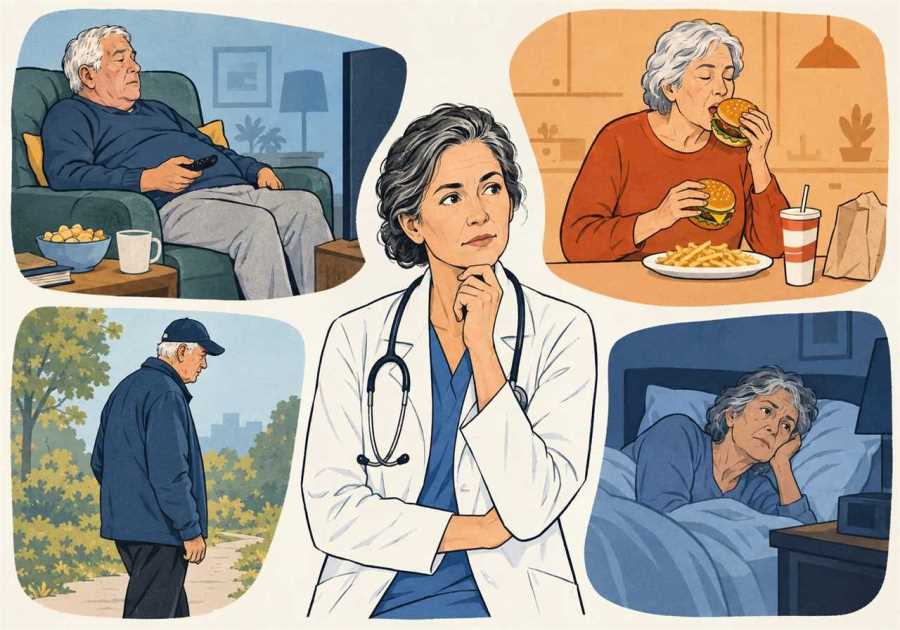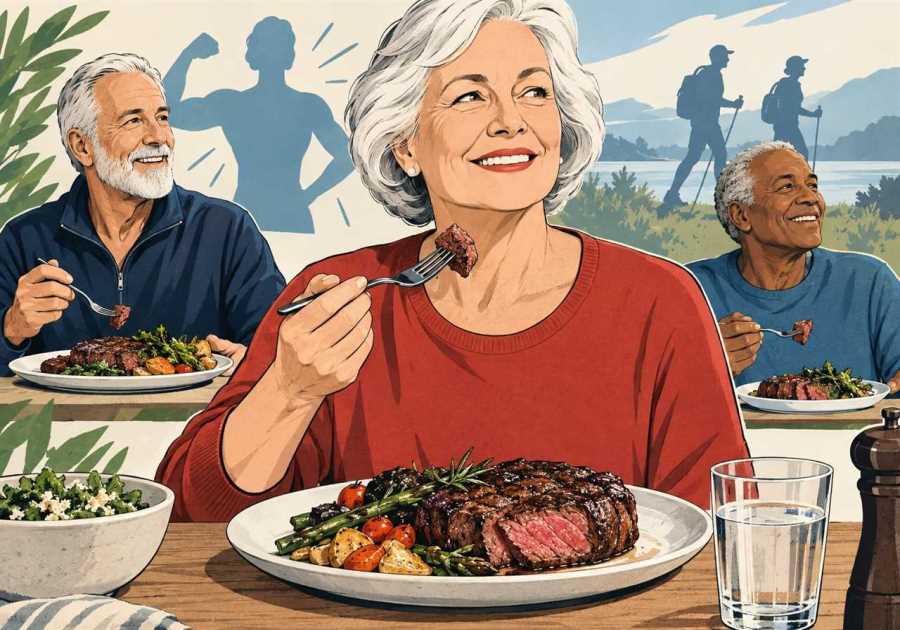
What if the habits you think are keeping you young are actually the ones setting you up for trouble down the road?
That's the question a geriatrics doctor at NYC Health + Hospitals in Lincoln has been answering for years, and the answers aren't what you'd expect.
She's an internist who focuses on older patients, and she sees the same scene play out again and again. People show up dealing with conditions that might have been slowed down, softened, or avoided altogether if they'd just done a few things differently earlier in life.
I'm almost 70 myself, and I've been traveling full-time since 2017, so this stuff isn't theoretical for me. If I want to keep hiking, keep flying, keep showing up for whatever adventure is next, I need to pay attention to what actually works. So let's get into it.
There's no magic trick, just better odds
The doctor is upfront about something important: there's no fountain of youth. Not in a Pilates studio, not at the bottom of an expensive smoothie, not in any single supplement.
But certain habits stack the odds in your favor. Others quietly stack them against you. Here are the four mistakes she sees constantly.
Mistake one: making Pilates the whole program
Pilates has real benefits. It builds core strength, improves posture, and helps you move more efficiently.
But muscle is one of your most valuable assets as you age, and you naturally lose it over time. That loss chips away at strength, mobility, and independence.
The real fix is progressive resistance training. That means picking up actual weights and gradually increasing the load so your muscles are forced to adapt and grow stronger. That same stress also signals your bones to maintain density.
Keep the reformer. Just don't let it be the only tool in the shed.
Mistake two: treating a protein shake like a meal
Your body needs protein to build and repair muscle and bone, and to keep your immune system running. But where that protein comes from matters.
Whole foods like eggs, fish, poultry, dairy, beans, and lentils bring protein plus vitamins, minerals, healthy fats, and fiber. A protein shake brings protein and not much else.
That doesn't make protein powder bad. It's useful for filling gaps, say after a workout or blended into yogurt. The mistake is using it as a replacement for real food instead of a supporting player. Think backup singer, not lead vocalist.
Mistake three: letting your social life go quiet
Here's one that surprised me the first time I read the research: isolation can be as damaging to your health as a lot of physical risk factors.
Loneliness and poor-quality relationships have been linked to depression, anxiety, and chronic disease. Strong social connections, on the other hand, are tied to healthier aging and lower risk of early death.
Conversation also works your brain harder than you'd think. Listening, remembering, interpreting, responding. That's a far better cognitive workout than staring at the same stuck crossword clue.
I've met people in every corner of the world doing exactly this. Showing up for the class, joining the group hike, saying yes instead of "maybe next time." It keeps you sharp and it keeps you connected.
Mistake four: writing off Tai Chi as an "old person" activity
This one made me laugh a little, because I've seen that same stereotype. Slow movements in a park, orthopedic sneakers, nothing serious happening.
Turns out Tai Chi is doing a lot more than it looks like. It challenges your proprioception, your body's sense of where it is in space, by constantly shifting weight and controlling movement. That builds balance, coordination, and lower-body strength, all things that matter more as the years add up.
It also pairs movement with breathing and focus, so your brain gets a workout too, without leaving you gasping.
It's not a replacement for cardio or resistance training. It's another tool worth having.
So what do you actually do with this?
None of these four habits are complicated. Lift something heavy a couple times a week. Eat real food instead of relying on a shake. Call the friend you've been putting off. Try a Tai Chi class even if you think it's not for you yet.
Age isn't the obstacle here. The habits are. Adventure has no age limit, but it does have a price of admission, and apparently that price includes actual weights, real meals, real friends, and a little slow, deliberate movement.
What's one of these four you're already skipping? Maybe it's time to stop.
Source: New York Post
If you missed it: What Is the MIND Diet? A New Study Says It Could Slow Down Brain Aging