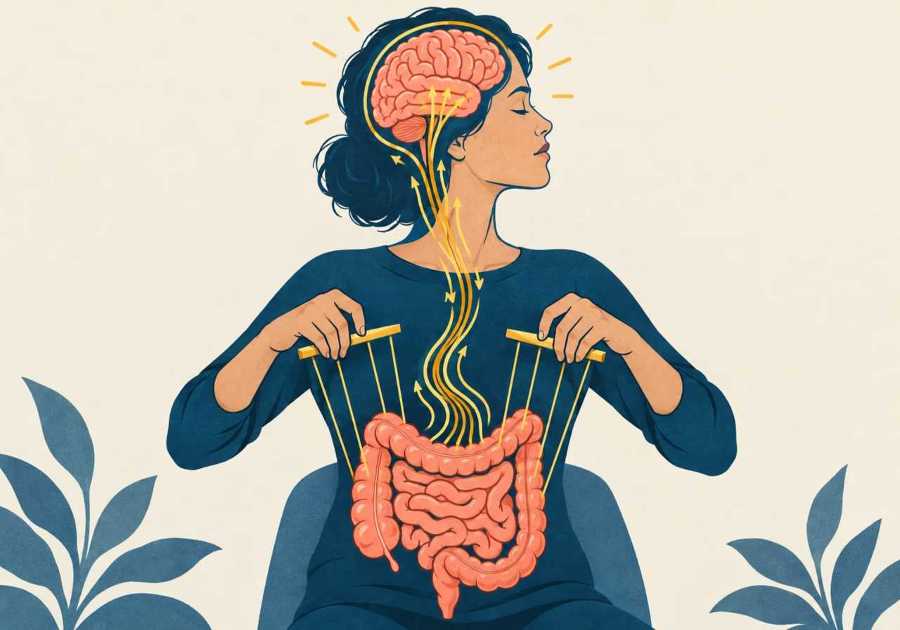
Here's something nobody tells you in your thirties: your gut starts getting lazy. Not about digestion exactly—about absorption. Somewhere after 40, your intestines get a little less efficient at pulling magnesium out of your food, while your kidneys get a little more eager to flush it out. Net result? You're losing a nutrient you need more of, not less.
I didn't know that until recently. I've spent years paying attention to how my body handles long flights, high altitudes, and questionable street food in a dozen countries. But the slow stuff—the stuff that happens quietly inside you as the decades pile up—that's harder to notice. So I went looking.
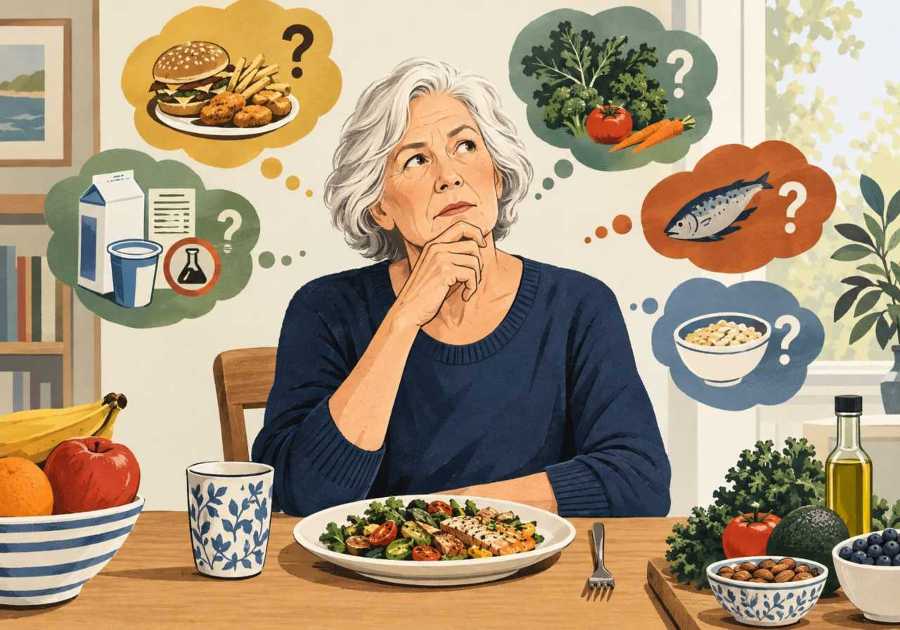
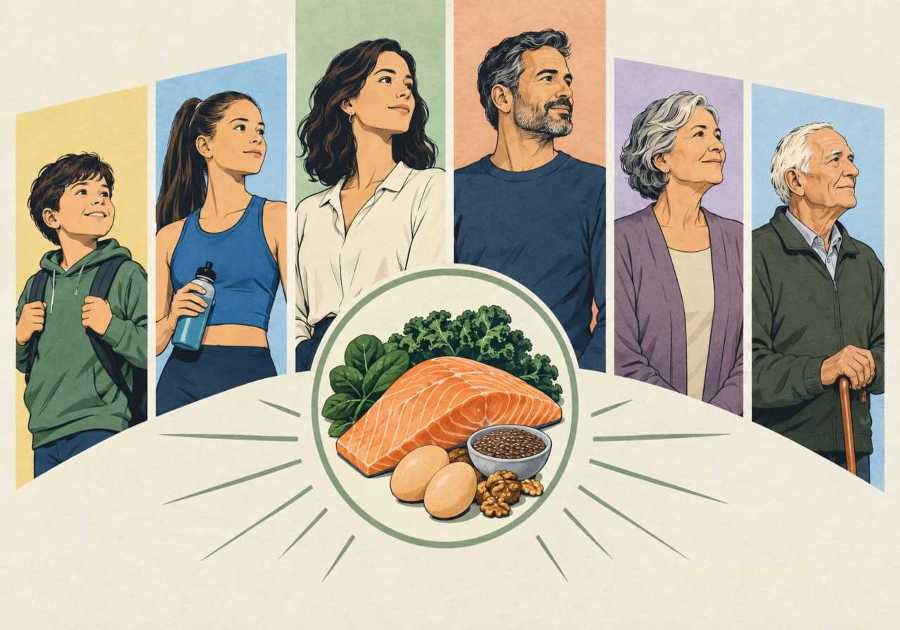
Turns out there are five nutrients that matter a lot more once you cross the 40 mark, according to nutritionists interviewed by EatingWell. And honestly, most of us aren't getting enough of any of them.
Magnesium: The Quiet Workhorse
Magnesium handles energy production, blood sugar, blood pressure, and keeps your muscles, nerves, and bones working right. Nutritionist Drew Hemler says men over 31 need about 420 mg a day. That's whole grains, pumpkin seeds, almonds, peanuts, and dark leafy greens like spinach.
I'll admit—I eat a lot of those things already, mostly because they travel well and don't spoil in a backpack. Good to know I've been accidentally doing something right.
Fiber: Not Just About Digestion
Fiber keeps things moving, literally, but it also lowers your risk of several chronic diseases—including colorectal cancer. Men between 40 and 50 should aim for around 38 grams a day. After 51, that drops to about 30 grams.
The trick isn't some dramatic diet overhaul. It's adding one fiber-rich food to every meal and snack, then letting your intake climb naturally. Small, repeatable changes beat big dramatic ones. That's true for fiber, and it's true for just about everything else in life, too.
Potassium: The Blood Pressure Connection
Potassium runs muscle contraction, nerve signals, and heart and kidney function. It also partners with sodium to balance fluids in your body. Hemler points out that after 40, the link between potassium and blood pressure gets stronger—more potassium intake can mean lower blood pressure, especially if you're already dealing with hypertension.
The World Health Organization recommends at least 3,510 mg a day. Milk, yogurt, leafy greens, potatoes, oranges, lentils, tomatoes, and salmon all deliver it. One caveat worth repeating: if you have kidney disease or take medications that affect potassium, talk to your doctor before loading up on supplements or potassium-based salt substitutes.
Omega-3s: Brain and Heart Insurance
Omega-3 fatty acids—specifically EPA and DHA—support brain and cardiovascular function and help regulate inflammation. Some research suggests they help manage triglycerides and blood pressure too, according to nutritionist De Santis.
Fatty fish like salmon, sardines, mackerel, and herring are packed with EPA and DHA. If fish isn't your thing, walnuts, chia seeds, and flax seeds carry ALA, a plant-based omega-3.
Vitamin D: The Bone and Muscle Builder
Vitamin D helps your body absorb calcium, which keeps bones strong and muscles functioning. Nutritionist Tony Castillo recommends about 600 IU a day for men up to age 70. You'll find it naturally in fatty fish and egg yolks.
Castillo adds one important note: if you're thinking about supplementing vitamin D, check with your doctor first. More isn't automatically better.
Why This Actually Matters
I'm closing in on 70, and I've learned that age isn't the enemy—neglect is. Muscle mass and bone density naturally decline after 40, and the risk of chronic disease ticks upward. But that's not a life sentence. It's information. It tells you what to pay attention to.
I've crossed oceans, climbed hills I probably shouldn't have at my age, and eaten meals I couldn't identify in six different languages. None of that happens if I'm not paying attention to the boring stuff—sleep, food, minerals most people never think about.
So here's my question for you: what's one small change you could make this week? Add spinach to a meal. Swap a snack for almonds. Check your potassium intake. Small moves, repeated, add up to something bigger.
Adventure has no age limit. But it does require showing up for your own health first.
Source: Vietnam.vn
Before this, we covered: A Flu Shot Could Be Doing More Than Fighting the Flu