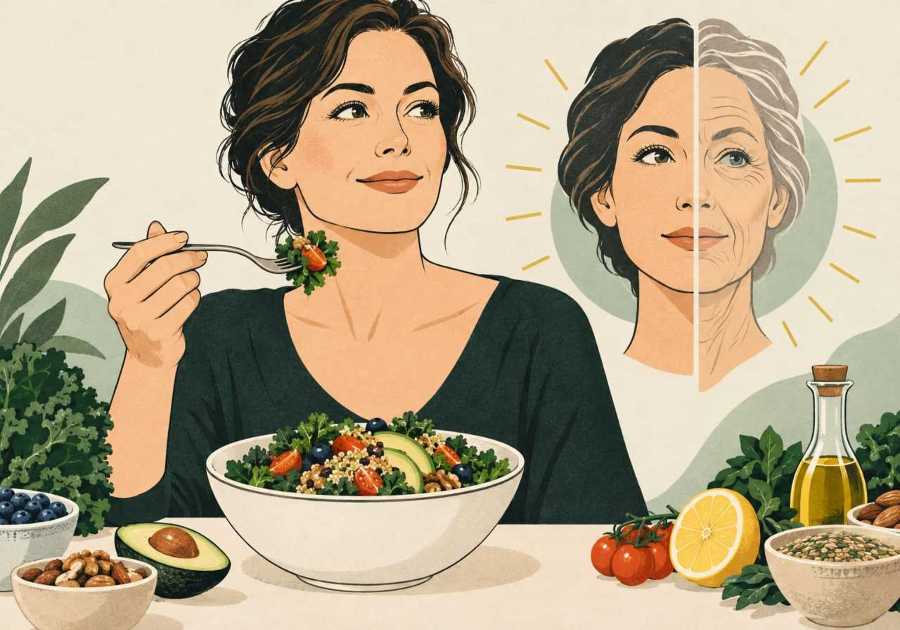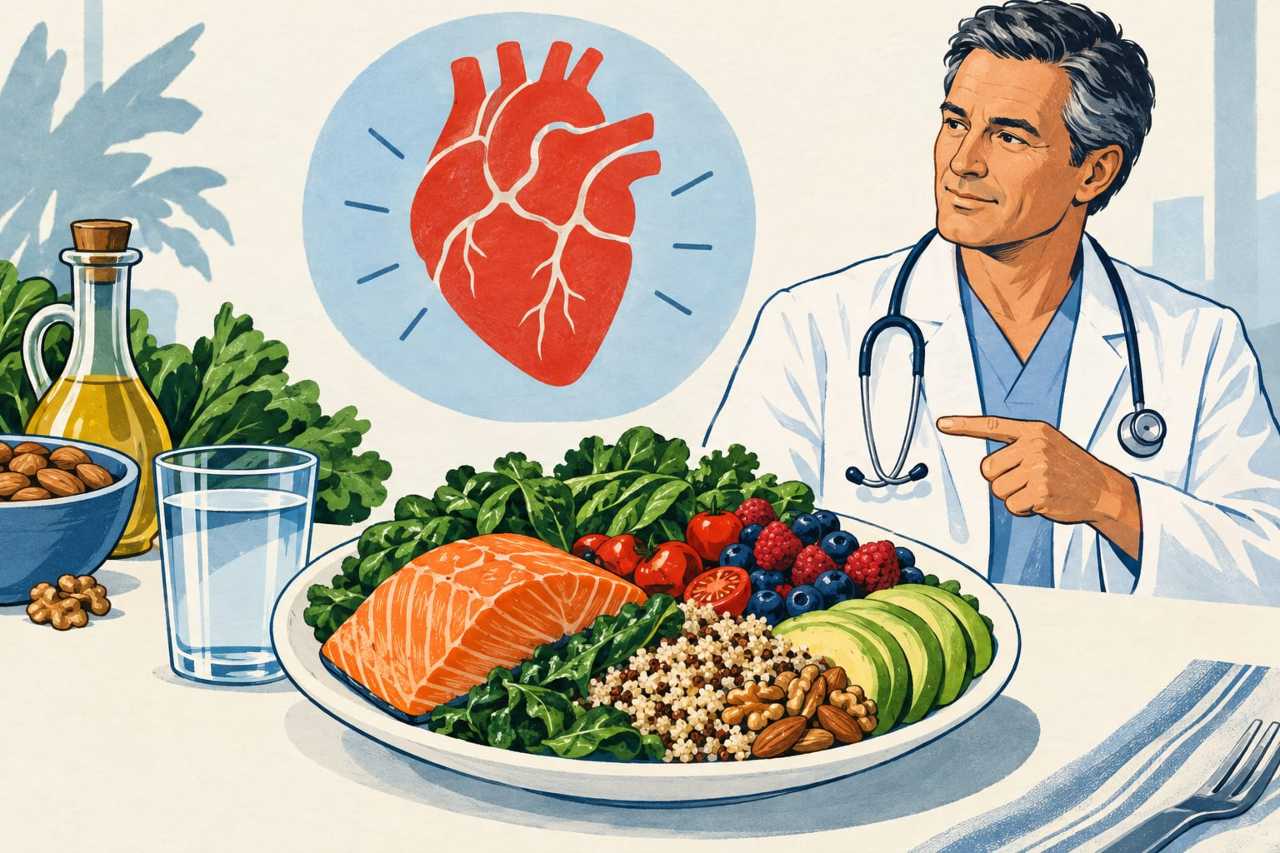
I read a headline the other day that promised a cardiologist had found "the key dietary change" for longevity and healthspan. Naturally, I clicked. Who wouldn't want the one simple fix a heart doctor swears by?
Here's the funny part. The headline did its job perfectly. It got me curious. But digging into what that specific change actually was turned into more of a scavenger hunt than I expected. That's the trick with a lot of health headlines these days — they tease the answer and make you work for it.
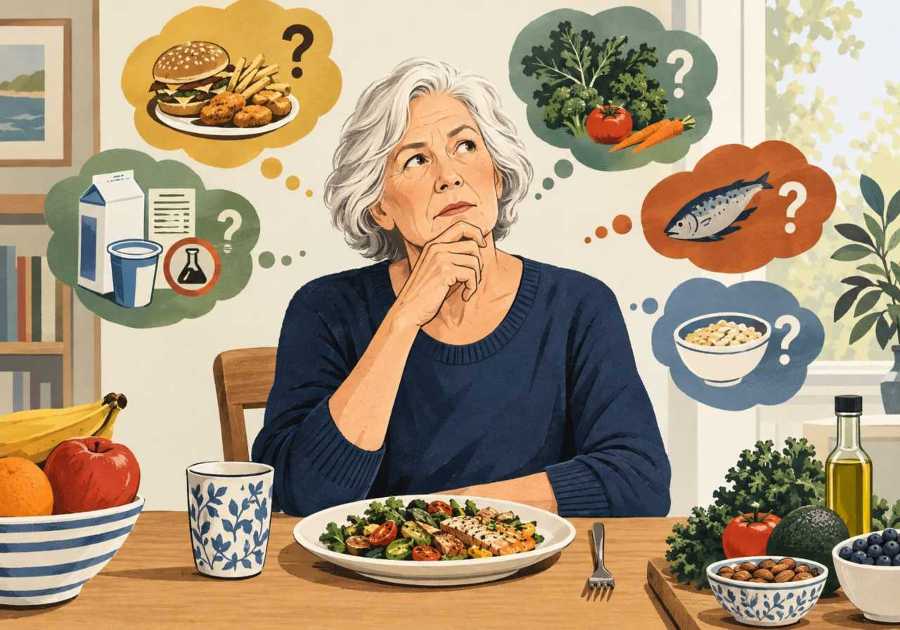
So instead of just repeating a vague promise, I started asking the question I always ask when something sounds too simple: what do cardiologists actually agree on, across the board, when it comes to eating for a longer, healthier life?
It's Rarely One Food
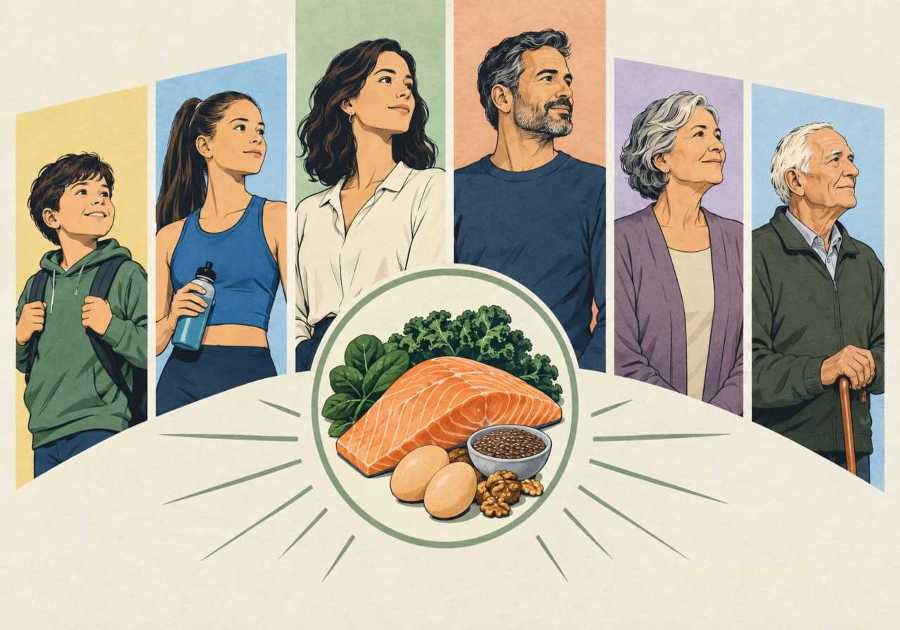
After nearly seven years of traveling full-time, eating in dozens of countries, markets, and kitchens that look nothing alike, I've noticed something. The cultures where people seem to live the longest and stay active into their 80s and 90s don't have one magic ingredient. They have patterns.
Less processed food. More plants. Fish instead of fried everything. Portions that don't require a nap afterward. It's not glamorous, and it's definitely not a headline that makes you click.
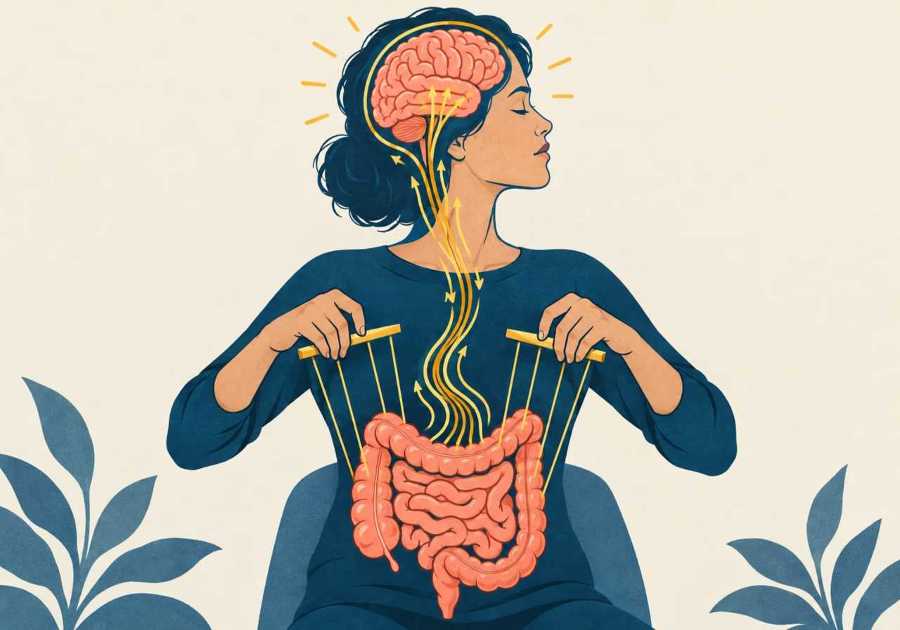
Cardiologists tend to circle back to the same handful of ideas: cut down on ultra-processed foods, get more fiber, watch your sodium, and pay attention to the quality of your protein and fat, not just the quantity. None of that is new. But maybe that's the point. The "key change" isn't a secret ingredient. It's usually a shift in habit — swapping out one category of food for a better one, consistently, over years.
Why This Hits Different at Almost 70
I'll be honest. Food decisions matter more to me now than they did at 40. Back then I could eat whatever was in front of me and shrug it off. Now I pay attention, because I've got places to go and I'd like my body to cooperate when I get there.
That's really what healthspan means, isn't it? It's not just adding years. It's adding years where you can still climb into a kayak, hike up to a ruin, or carry your own bag through an airport without wincing. Longevity without the ability to actually use it isn't much of a prize.
So when a cardiologist says there's a key dietary change worth making, I don't hear "eat this one food." I hear "protect your ability to keep moving." That's a message I can get behind, even without knowing the exact wording of the study.
What I've Changed, for What It's Worth
Living out of a suitcase forces you to experiment. You can't always find what you're used to, so you adapt. Over the years I've leaned harder into fish, vegetables, and whole foods, and backed off the processed stuff that's engineered to be impossible to stop eating. Not because a headline told me to, but because I noticed how I felt the next day after a street-market meal in Southeast Asia versus a bag of something from a gas station back home.
That's the experiment worth running yourself. Try a change. Pay attention. Adjust. You don't need a cardiologist's exact quote to start paying closer attention to what's going into your body, especially if you're planning on using that body for a few more decades of adventure.
So What's the Takeaway?
Maybe the specific "key change" in that article is something I haven't landed on yet. But the bigger truth holds up everywhere I've traveled: small, boring, repeated food choices add up to either more good years or fewer of them.
Age isn't the obstacle here. Habit is. And habits, unlike headlines, you actually get to rewrite.
What's one food you could swap out this week, just to see what happens?
Source: Yahoo Health
Before this, we covered: S.F. Hospitals Are Rethinking Emergency Care for Older Adults