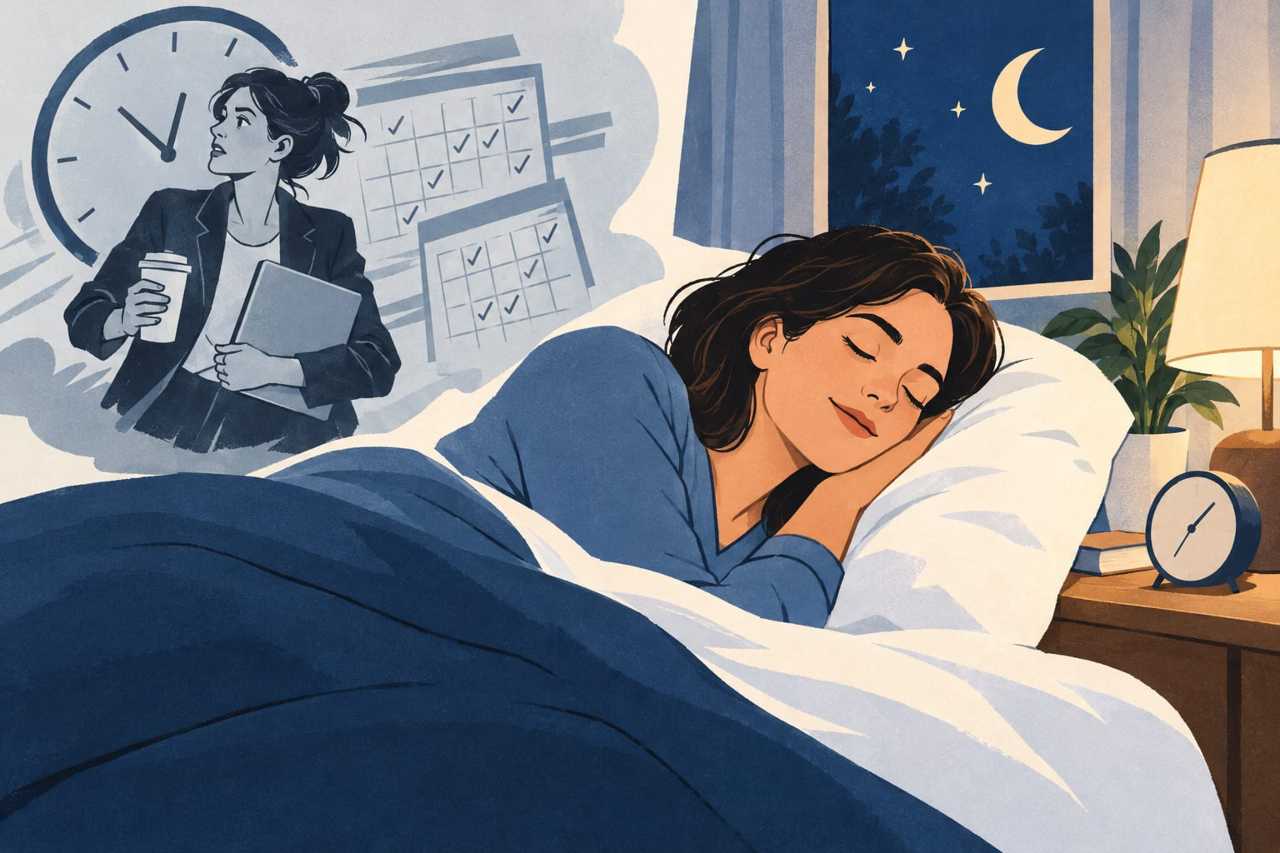
I used to think sleep was simple. You lie down, you close your eyes, you wake up eight hours later feeling great. Then I turned 60-something, started waking up at 5 a.m. whether I wanted to or not, and figured I'd better actually learn what's going on.
Turns out, a lot changes with sleep as we age. And understanding those changes matters if you want to keep traveling, hiking, learning new things, and generally living like there's no expiration date on adventure.
Your Sleep Changes. That Doesn't Mean You Need Less of It
Here's something I didn't know: the National Institute on Aging says sleep naturally gets lighter and more broken up as we get older. Your internal clock shifts too — which explains why I now wake up with the sun instead of an alarm.
But here's the part that surprised me. Older adults still need seven to nine hours a night. The timing shifts. The need doesn't disappear. So if you've been telling yourself you need less sleep now that you're older, that's not quite right.
Your Brain Is Working the Whole Time You're Out
While you sleep, your brain isn't just resting — it's filing things away. Both REM sleep and non-REM sleep help store and strengthen memories. Researchers are also studying something called the glymphatic system, which helps clear waste from the brain. A review of 190 studies found connections between sleep and this cleanup process, though the details in humans are still being figured out.
There's also research looking at sleep and Alzheimer's-related changes, and how they might influence each other. But scientists are clear: one bad night doesn't predict your future brain health. So skip the spiral next time you toss and turn.
It's Not Just Your Brain — Your Whole Body Depends on It
Sleep repairs cells and tissue, regulates hormones, and helps your immune system fight off infections. That work doesn't stop just because you've had a few decades of practice. Sleep also helps regulate appetite and blood sugar, and ongoing sleep problems are linked to high blood pressure, heart disease, diabetes, and obesity.
More sleep isn't automatically better, though. Some of the studies linking long sleep to poor health may actually reflect an underlying illness, not the sleep itself. The real question isn't "how many hours?" It's "do I wake up feeling like I can actually use the day?"
Consistency Might Matter More Than the Number
This one caught my attention. A study of nearly 89,000 people in the UK Biobank found that those with irregular sleep patterns had a higher risk of dying during the follow-up period — even after researchers adjusted for other health factors. The study couldn't prove that fixing your schedule adds years to your life, but it's a strong hint that your bedtime consistency counts for something.
I travel full-time, so "consistency" is a word I have to work at. Different time zones, different beds, different sunrise times. But I've noticed: when I keep roughly the same sleep and wake times, even while bouncing around the globe, I function better. There's room for real life inside a steady rhythm — it doesn't have to be rigid.
When Tiredness Isn't Just Tiredness
If you're having trouble falling asleep, staying asleep, or staying alert during the day on a regular basis, that's worth mentioning to a doctor. So is loud snoring or gasping — those can be signs of sleep apnea, which becomes more common with age, along with insomnia.
Pain, medications, illness, and stress can all disrupt sleep too. Sometimes the fix isn't a new mattress — it's figuring out what's changed.
Movement Helps You Sleep, and Sleep Helps You Move
A review of 22 studies found that regular exercise — walking, cycling, yoga, nothing extreme — improved how people rated their own sleep quality. And better sleep gives you the energy to keep moving. It's a loop, and a good one.
The Real Point
Living longer only matters if you've got the energy to enjoy it. That's really what healthy aging is about — not adding years, but adding good years. Sleep sits right next to movement, food, and staying connected to people as one of the basics.
So maybe tonight's not about hitting exactly eight hours. Maybe it's about noticing whether you wake up ready for whatever you've got planned — a hike, a flight, a conversation with someone new. That's the whole point, isn't it?
Source: Quad City Herald
Catch up on our earlier post: What a 99-Year-Old Man and His 97-Year-Old Wife Can Teach the Rest of Us About Living Long