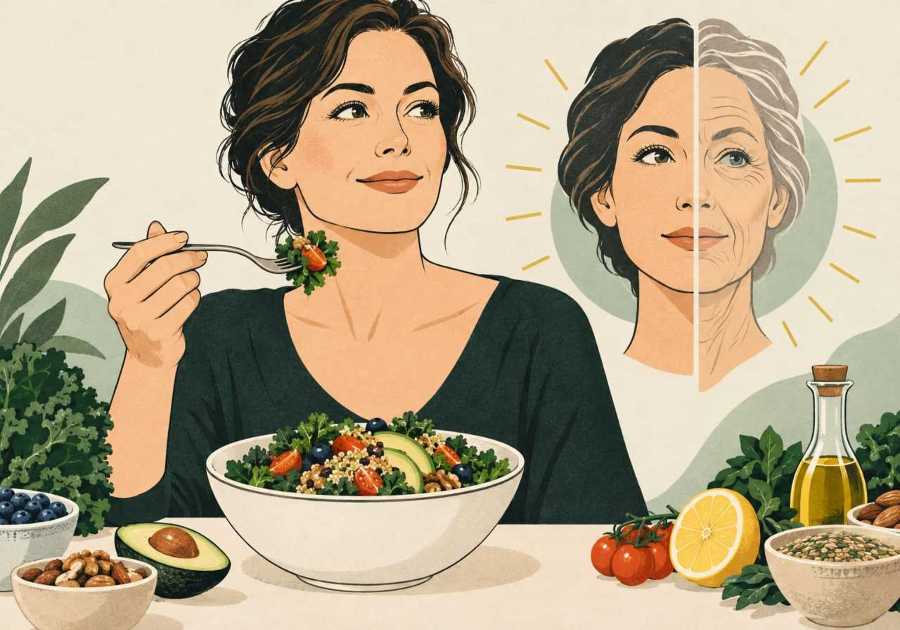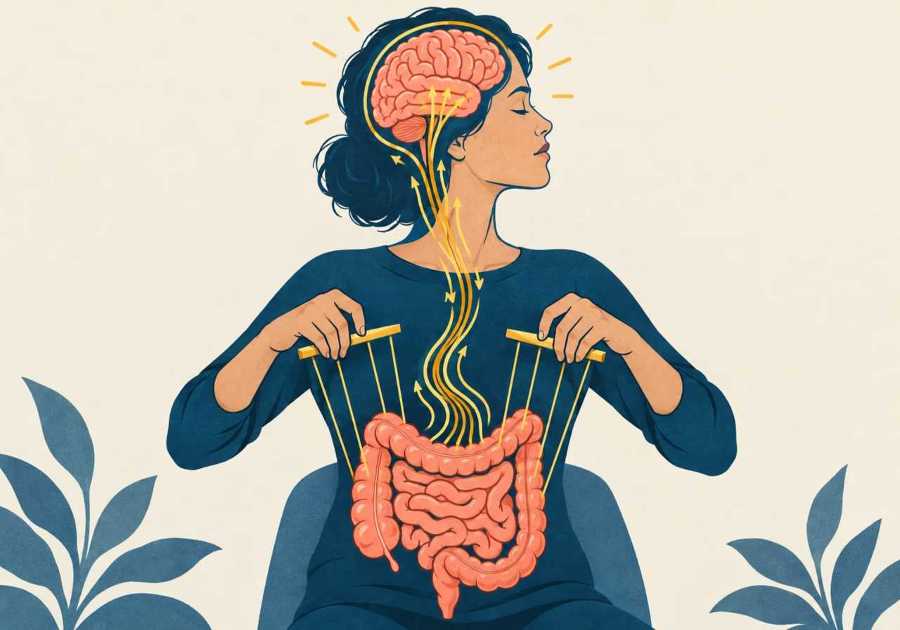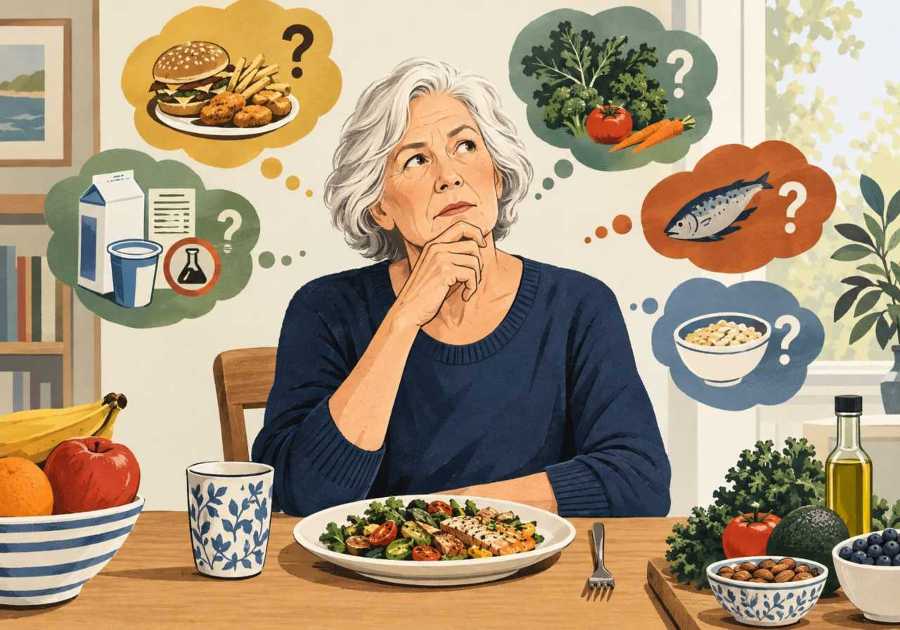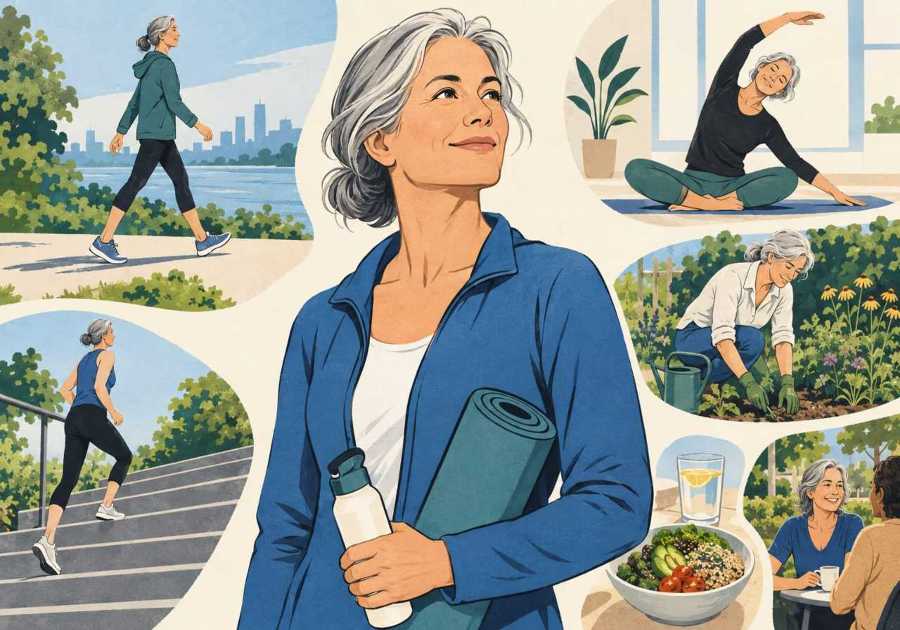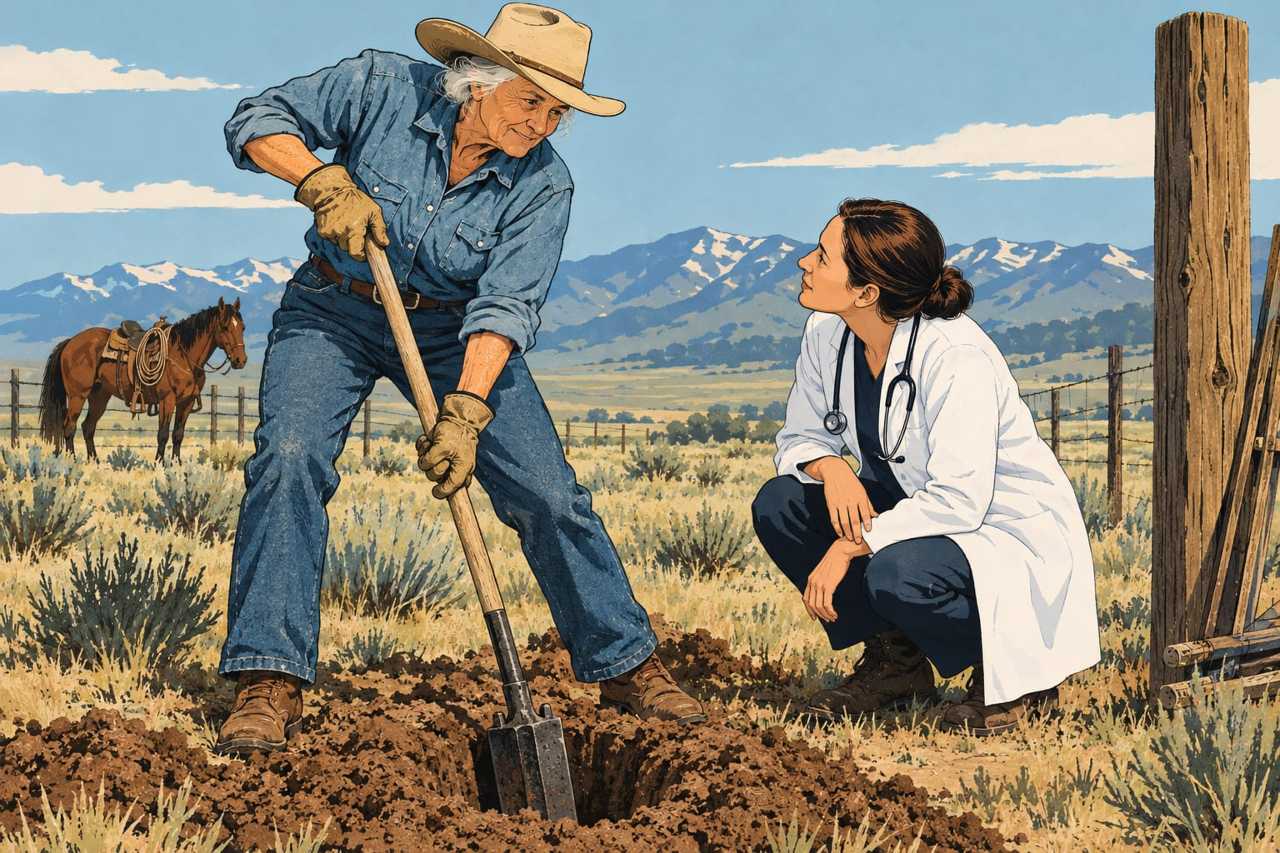
A physician in Rifle, Colorado had a patient in her 70s who dug fence post holes by herself. Hard, physical work. The kind younger folks would groan about.
She never complained about getting older. Never slowed down. She had a spark her doctor figured would carry her to 100.
I love this story because it's exactly the kind of thing I believe: age isn't the limiting factor most people think it is. What you do with your years matters more than how many you've racked up.
The doctor who treated her later wrote about what separates people who thrive into their 80s and 90s from people who feel worn out at 50. And the research behind it is worth your time.
Genes Load the Gun, Habits Pull the Trigger
A January 2026 twin study found genes explain roughly half the difference in how long people live, once you strip out accidents and outside causes. That's way higher than a 2018 estimate of under 10%. Scientists are still arguing about it.
But here's the part that matters to you: half isn't all.
Researchers tracking more than 78,000 women and 44,000 men for decades found that 50-year-olds with five simple habits — never smoking, healthy weight, 30 minutes of daily activity, a solid diet, and moderate drinking — lived 14 more years (women) and 12.2 more years (men) than people with none of those habits.
Genes are the ground you're handed. Habits are the posts you set in it. Here's what the research shows about the posts that hold.
Your Mindset Alone Can Buy You Seven Years
A 1975 study asked 660 people over 50 how they felt about aging. Researchers tracked them for 23 years using death records. People with a positive outlook on aging lived, on average, seven and a half years longer than the pessimists — even after accounting for education, loneliness, and physical ability.
Why? A stronger will to live. If you believe your knee pain is "just old age," you skip the walk. If you believe it'll improve, you keep moving. Small beliefs compound over decades.
Move With Purpose, Lift Something
The ranch patient never hit a gym. She worked. Movement was built into her day, not bolted on.
Strength training matters too — a review of 16 studies found muscle-building activity cut death and disease risk by 10% to 17%, with real benefits showing up at just 30 to 60 minutes a week. Bodyweight squats count.
Feed Your Brain, Not Just Your Body
A 2024 report found 45% of dementia cases could theoretically be delayed by addressing factors like inactivity, hearing loss, and isolation. A 20-year study following 2,802 older adults found that "speed training" — a quick-reaction computer game — paired with periodic booster sessions, cut dementia diagnoses by 25% compared to no training. Memory and reasoning training alone showed no clear benefit. The lesson: challenge your brain, and keep coming back to it.
Relationships Are Medicine, Sleep Timing Beats Sleep Hours
A review of 148 studies covering 300,000 people found strong social ties gave people 50% better odds of surviving the study period. Loneliness, meanwhile, is linked to more than 871,000 deaths worldwide every year.
And sleep? A British study of nearly 61,000 adults found that how consistent your sleep schedule is predicts death risk better than how many hours you sleep. People with the steadiest sleep-wake patterns had a 30% lower risk of dying over six years than the least consistent sleepers. Skip the blue-light glasses — a 2023 review of 17 trials couldn't confirm they help. Just dim the lights and put the phone down.
The Post You Set Today
Stress shortens your cells. Purpose gets you out of bed. Curiosity keeps you flexible. None of these cost money.
I've spent years choosing a life built around movement, new places, new people, new problems to solve. Not because I'm trying to outrun age — because curiosity is just more interesting than the alternative.
That rancher in Colorado wasn't fighting aging. She was living through it, post hole by post hole. The fence only holds because someone set the posts deep, long before the storm came.
What post are you setting today?
Source: The Sunday Paper
See also our earlier piece: Yale Just Ranked Anti-Aging Treatments—and Supplements Lost