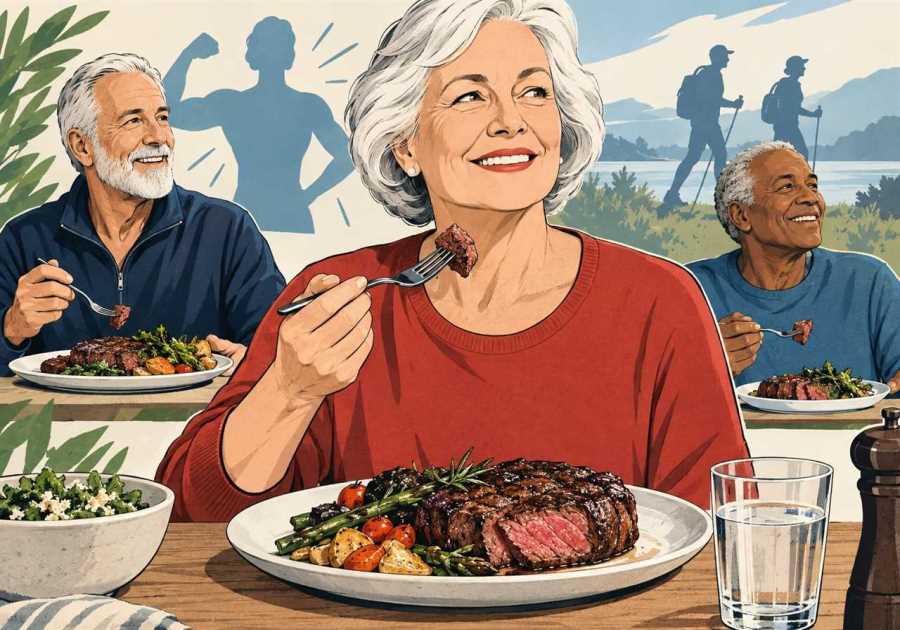
I've eaten my way through markets in Lisbon, noodle stalls in Hanoi, and little family-run tavernas in Crete. And here's something I keep noticing: the people who look the happiest and move the easiest at 80 aren't the ones eating from a box.
So when I saw new research linking specific eating patterns to healthier aging, I had to dig in. Not because I needed convincing that food matters. I just wanted to know which patterns actually hold up.
What the research is pointing to
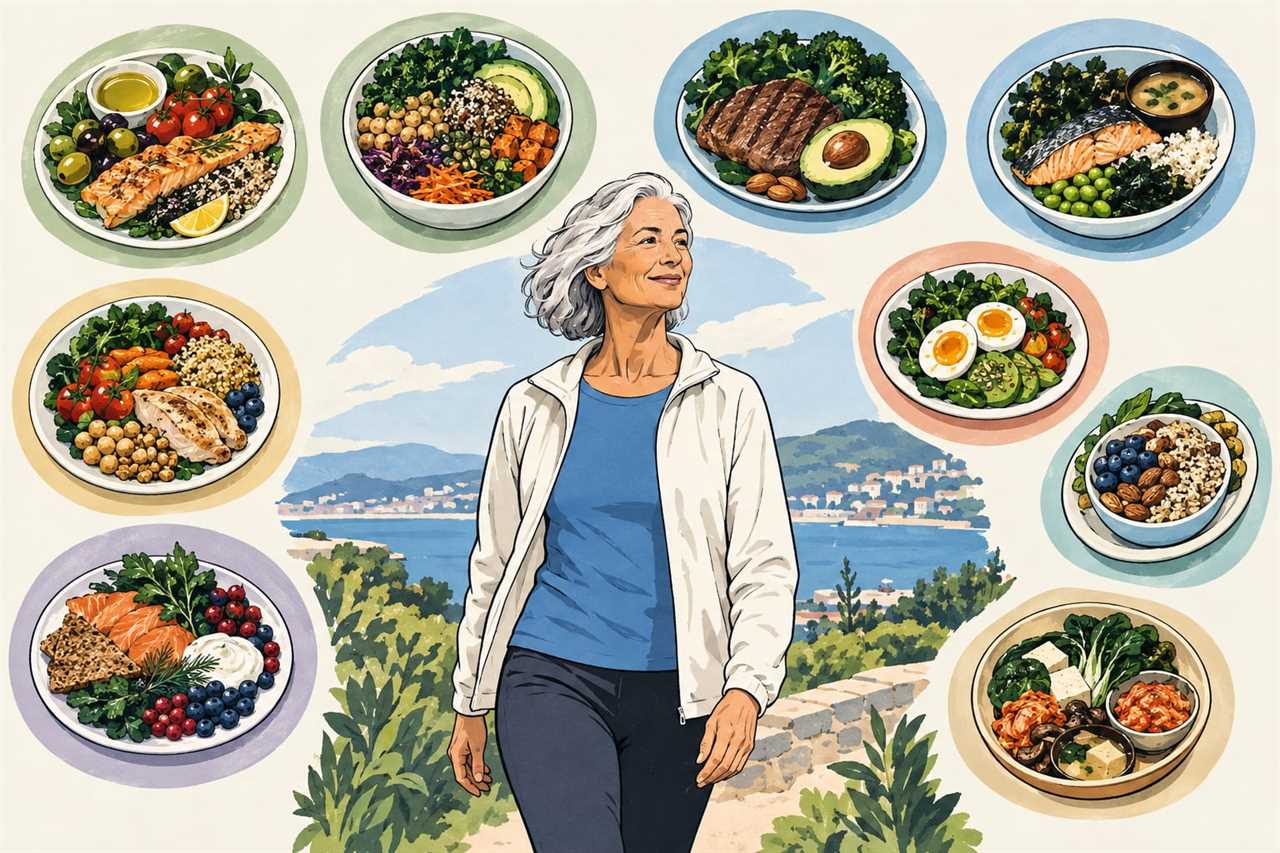
The study looked at how different diets connect to biological aging — basically, how well your body is holding up compared to your actual birthday count. Ten eating patterns stood out as linked to healthier aging markers. That's not one magic diet. That's ten different paths that seem to lead somewhere good.
Which tells me something I already suspected: there's no single "correct" way to eat your way into a healthy old age. There are several.
Why that doesn't surprise me
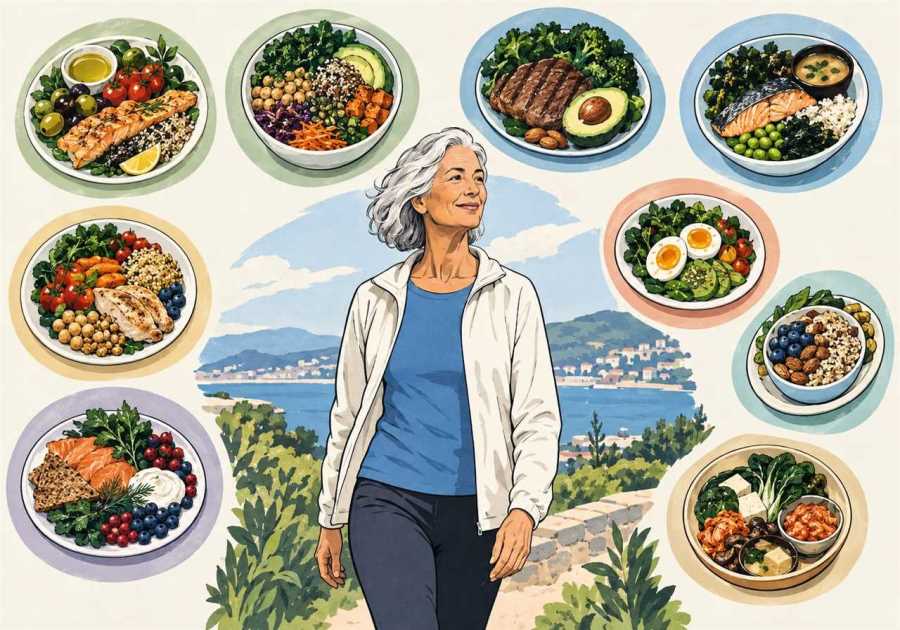
I've spent years living in places where diets look nothing alike but the people are still sharp, active, and out working in their gardens or walking to the market well into their 80s and 90s. Mediterranean countries lean heavy on olive oil, fish, and vegetables. Parts of Japan lean on fish, rice, and fermented foods. Some Blue Zones communities eat mostly plants and beans, with meat as an occasional guest at the table rather than the main event.
Different ingredients. Different cultures. Same basic idea underneath it all — real food, grown food, food your grandmother would recognize, and not too much of it.
That's the thread connecting a lot of these research-backed patterns. Less processed stuff. More plants. More fiber. Healthy fats instead of the fried, packaged kind. Moderate portions instead of supersized ones.
Here's why this actually matters to you
Aging well isn't just about living longer. It's about staying capable. Can you still hike the trail? Can you carry your own suitcase through an airport? Can you get down on the floor and back up without it being an event?
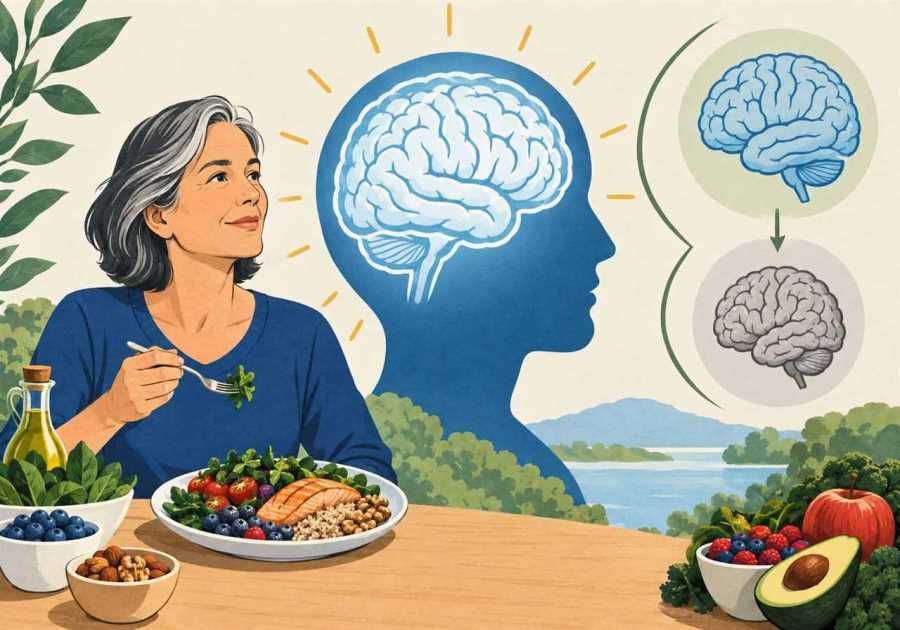
That's the stuff diet quietly shapes over decades. Not overnight, not dramatically, but steadily — the way inflammation, blood sugar, and cell repair behave inside you depending on what you're feeding them.
I'm not a nutritionist. I'm a guy who's almost 70 and still planning the next trip, not slowing down to manage one. And one thing I've learned moving between countries and cuisines is that food habits are a lot more flexible than people think. You don't need a rigid meal plan flown in from a lab. You need a direction.
What I've actually done with this
When I travel, I eat like the locals eat. That usually means more vegetables, more fish, smaller portions, and meals that take longer because people are talking instead of scrolling. It's not a diet. It's just how a lot of the world still eats when fast food hasn't fully taken over yet.
I've also stopped assuming there's one "right" system. Keto works for some people. Mediterranean works for others. Plant-heavy works for plenty more. The research backing ten different approaches tells me the goal isn't finding the perfect diet. It's finding real food patterns you can actually stick with for the next 20 or 30 years.
Because that's the real test, isn't it? Not what you eat for a month. What you eat for the rest of your life.
What happens if you experiment?
Try swapping one processed meal a week for something simple and plant-based. See how you feel. Pay attention. Adjust.
That's basically how I approach everything — new countries, new routines, new ways of eating. Try it, learn, tweak it, keep moving.
Healthy aging isn't a destination you arrive at. It's a direction you keep choosing, one plate at a time.
Source: health.com
Missed the last one? Four Aging Mistakes a Geriatrics Doctor Sees Every Single Day