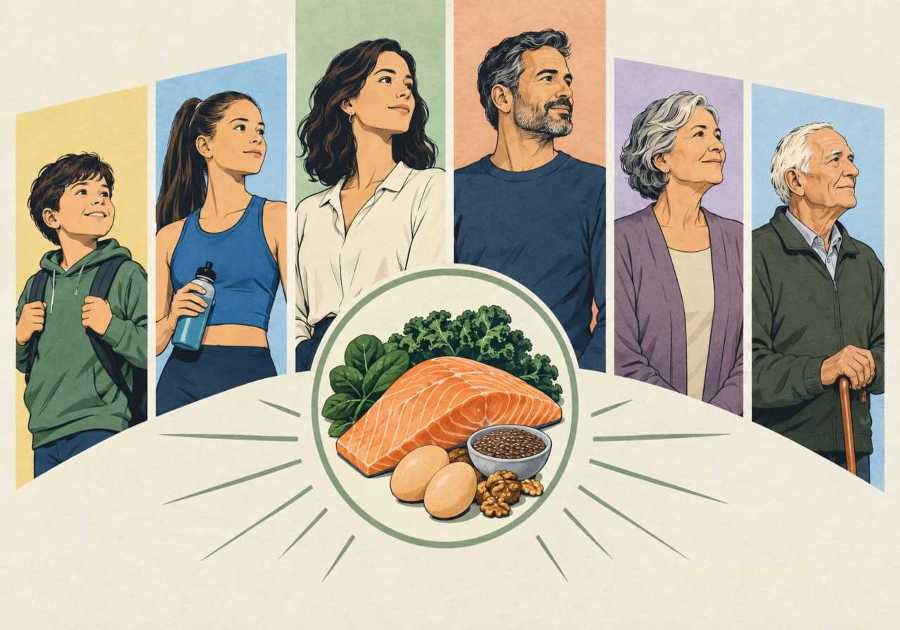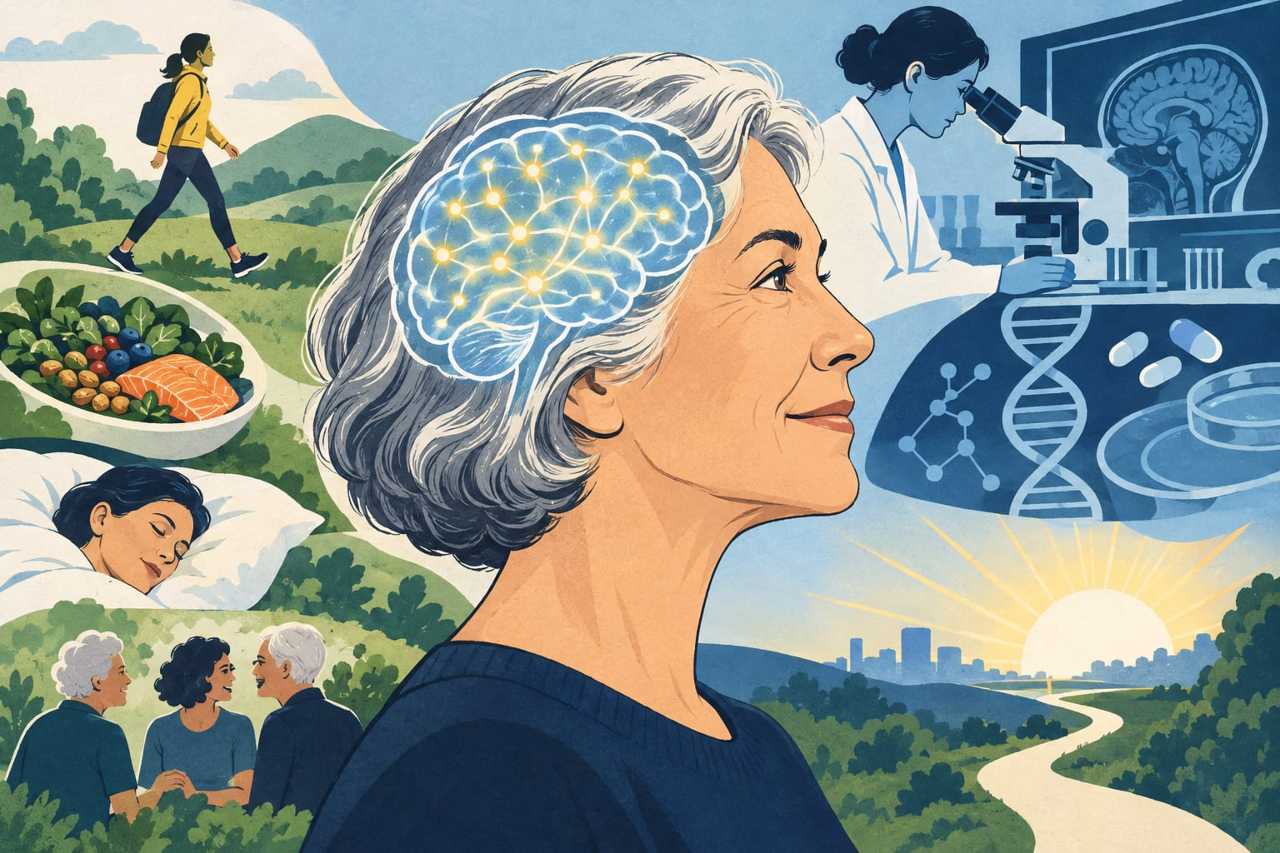
Susan Kroll was in her late 50s when she started wondering if something was wrong with her brain.
Her mother had been diagnosed with Alzheimer's disease a few years earlier. So when Susan noticed her own mental fog creeping in, she didn't just shrug it off. She asked the obvious question: was this menopause, or was this something more serious?
That question stopped me. Because I think a lot of us ask it, quietly, somewhere in our 50s and 60s. We forget a name. We walk into a room and blank on why we're there. And for a second, before we laugh it off, there's a flicker of something darker. Is this normal? Or is this the beginning of something I can't undo?
Why this question matters more now
Here's what I find interesting about Susan's situation. She didn't wait and wonder forever. She had a family history, a real reason for concern, and she took that seriously enough to dig deeper.
That's the shift happening right now. For decades, Alzheimer's felt like something that just happened to you, a diagnosis that arrived with no warning and no real defense. You watched a parent decline and hoped, quietly, that you'd dodge the same fate. There wasn't much else to do.
But researchers and doctors are starting to talk about Alzheimer's differently now, as something with a "before" stage, a window where risk factors, family history, and early symptoms can actually mean something. The question being raised is whether we're entering a new era where prevention, early detection, and risk awareness change the whole conversation. Not a cure. Not yet. But a shift from pure fatalism to something more active.
I can't tell you exactly what the science says, because that's not what Susan's story gives us. What it gives us is something more human: a woman paying attention to her own brain, refusing to assume the worst or ignore it, and asking a real question about her own health instead of letting fear make the decision for her.
What I take from this
I've spent the last several years traveling full-time, and one thing I've learned is that your brain needs the same thing your body does: use it or lose it. New places. New languages. New problems to solve, like figuring out a train system in a country where I don't speak a word of the local language. I didn't start doing this to protect my memory. I started because I was curious. But I'd be lying if I said I haven't wondered, somewhere in the back of my mind, whether staying curious also keeps me sharper.
Almost 70 isn't a wall for me. It's just a number. But I'm not naive about what's coming for all of us eventually, in one form or another. Susan's story isn't really about Alzheimer's specifically. It's about paying attention. It's about not treating memory loss as something you're supposed to quietly accept because your mother or father went through it too.
The real question
So here's what I keep coming back to. If there really is a shift happening, a move from "wait and see" to "pay attention and act early," what does that mean for the rest of us?
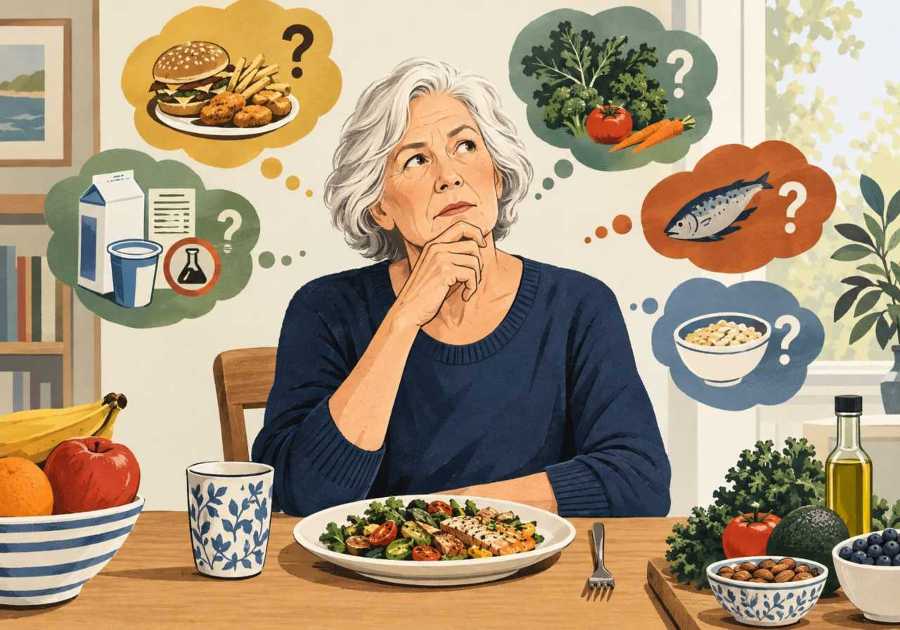
Does it mean asking your doctor more pointed questions when something feels off? Does it mean taking family history seriously instead of filing it away as bad luck? Does it mean treating brain health the way we've learned to treat heart health, as something we can actually influence instead of something that just happens to us?
I don't have the full answer. Nobody does yet, not completely. But I'd rather ask the question early, like Susan did, than wait until there's no choice left but to react.
What would you do if your memory started slipping? Would you wait it out, or would you go find out why?
Source: NBC News
Our last article on this: Your Blood Vessels Started Aging at 30. A New Study Says You Can Push Back.