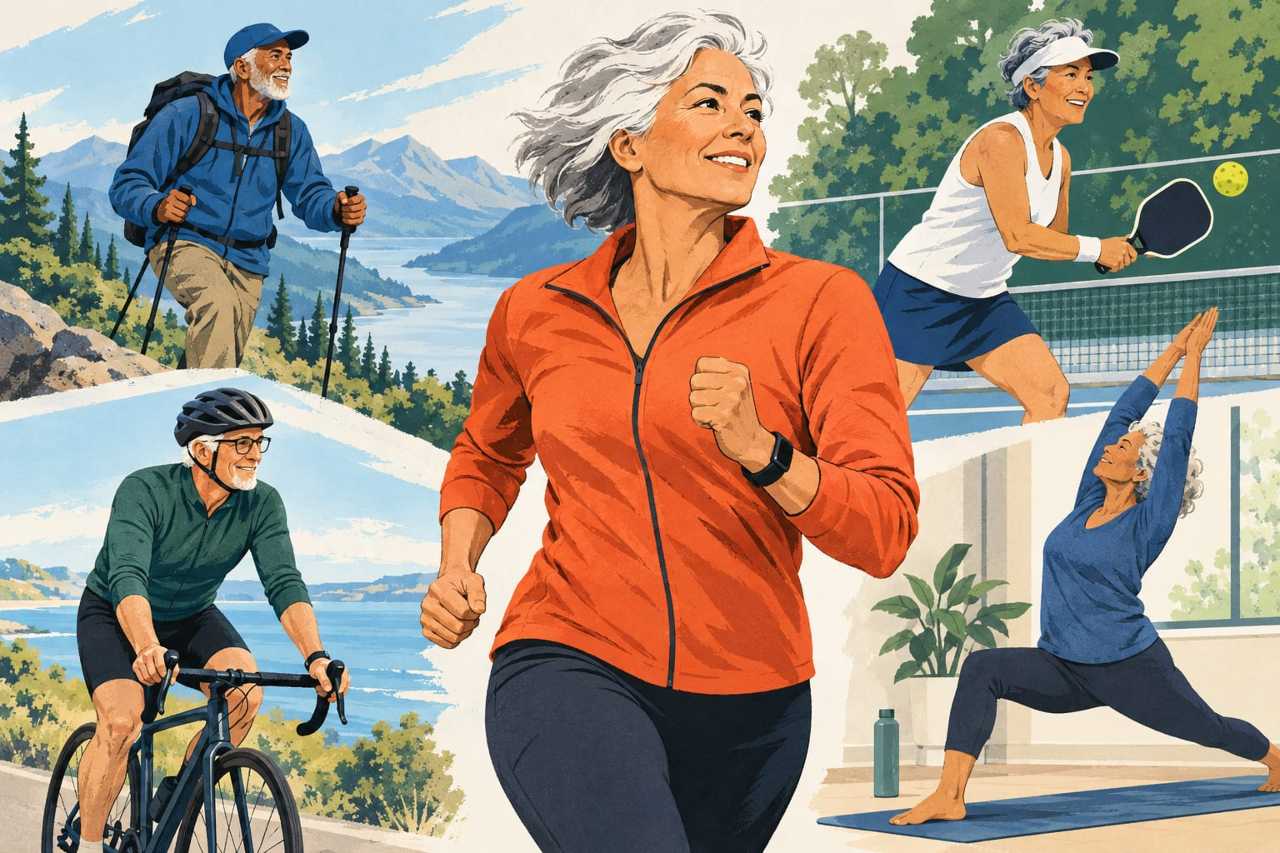
A local news segment out of Austin caught my eye this week. FOX 7 ran a piece on healthy aging, focused on something simple: taking care of your body and your mind, together, not separately.
Why does that stand out to me? Because most people still treat aging like it's one long slow fade. Eat your vegetables, take a walk, maybe do a crossword puzzle, and hope for the best. That's not a strategy. That's maintenance mode.
I'm closing in on 70. I've been living full-time on the road since 2017, moving through countries, cultures, and time zones most people only see in photos. And here's what I've figured out: the body and the mind aren't two separate projects. They're the same project.
The Body Keeps the Mind Honest
Think about the last time you learned something genuinely new. Not refreshed something you already knew — learned it. New language. New skill. New city where you don't know which way the subway runs.
Your brain lights up differently when you're navigating unfamiliar territory. Literally. Neuroscientists call it cognitive reserve — the brain's ability to build new pathways when the old ones get challenged. And you don't build that reserve sitting still.
I didn't plan this as a brain-health strategy. I just wanted to see more of the world before my knees had opinions about it. But the side effect has been real. Figuring out a foreign transit map, haggling in a market where I don't speak the language, adjusting plans when a flight gets canceled — that's mental exercise disguised as adventure.
The FOX 7 segment framed it as "prioritizing" both body and mind. I'd put it a little differently: stop separating them. What's good for one is almost always good for the other.
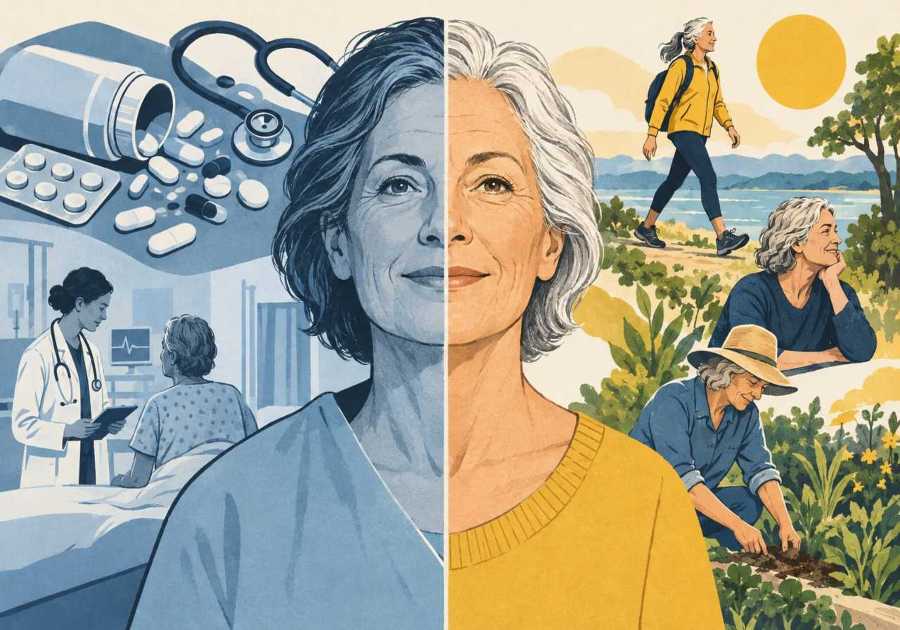
What Happens If You Treat Age Like Evidence, Not a Limit?
Here's a question worth sitting with: what if getting older isn't something to manage, but something to use?
I ask that seriously. Most advice about aging is defensive — protect your joints, preserve your memory, prevent decline. All useful. But defense alone doesn't get you anywhere interesting.
Offense looks different. It looks like booking the trip even though you're not sure your back will hold up for the hike. It looks like saying yes to learning something uncomfortable — a language, a skill, a new way of living — specifically because it's uncomfortable.
I've made plenty of mistakes doing this. I've overpacked, underplanned, and once showed up in a country without checking if my visa situation was actually sorted. Spoiler: it wasn't. But mistakes made while moving forward teach you more than caution ever will.
Why This Matters to You, Whatever Your Age
You don't need to sell your house and travel full-time to apply this. The principle scales down just fine.
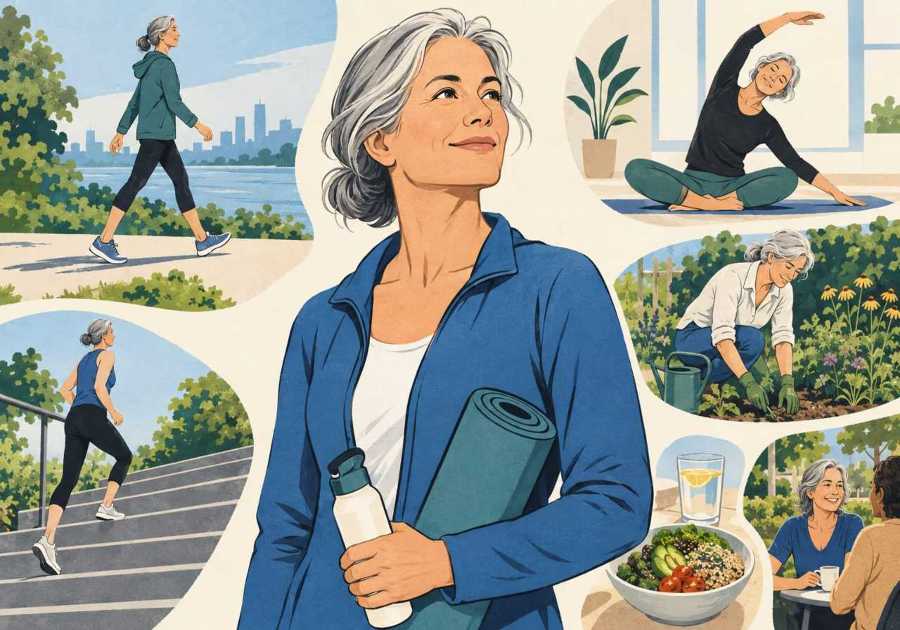
Walk somewhere you've never walked. Cook a dish you've never attempted. Strike up a conversation with someone outside your usual circle. Small, repeated acts of "what happens if I try this" do more for long-term health — body and mind — than any supplement or app.
The people I meet on the road who seem the most alive, regardless of age, aren't the ones who found a perfect routine and stuck to it. They're the ones still asking questions. Still curious about how a place works, how a system runs, how a stranger sees the world differently than they do.
That curiosity is a muscle too. It atrophies if you don't use it, same as anything else.
Keep Moving
So here's my takeaway from a three-minute local news segment: healthy aging isn't a finish line you cross by eating right and getting your steps in. It's a daily decision to stay engaged — physically, mentally, geographically, socially.
Adventure really doesn't have an age limit. But it does have a requirement: you have to keep showing up for it.
What's one thing you've been putting off because you figured you were "too old" to start? Maybe this is the week you find out that assumption was wrong.
Source: FOX 7 Austin
See also our earlier piece: What's the One Dietary Change Cardiologists Keep Pointing To?