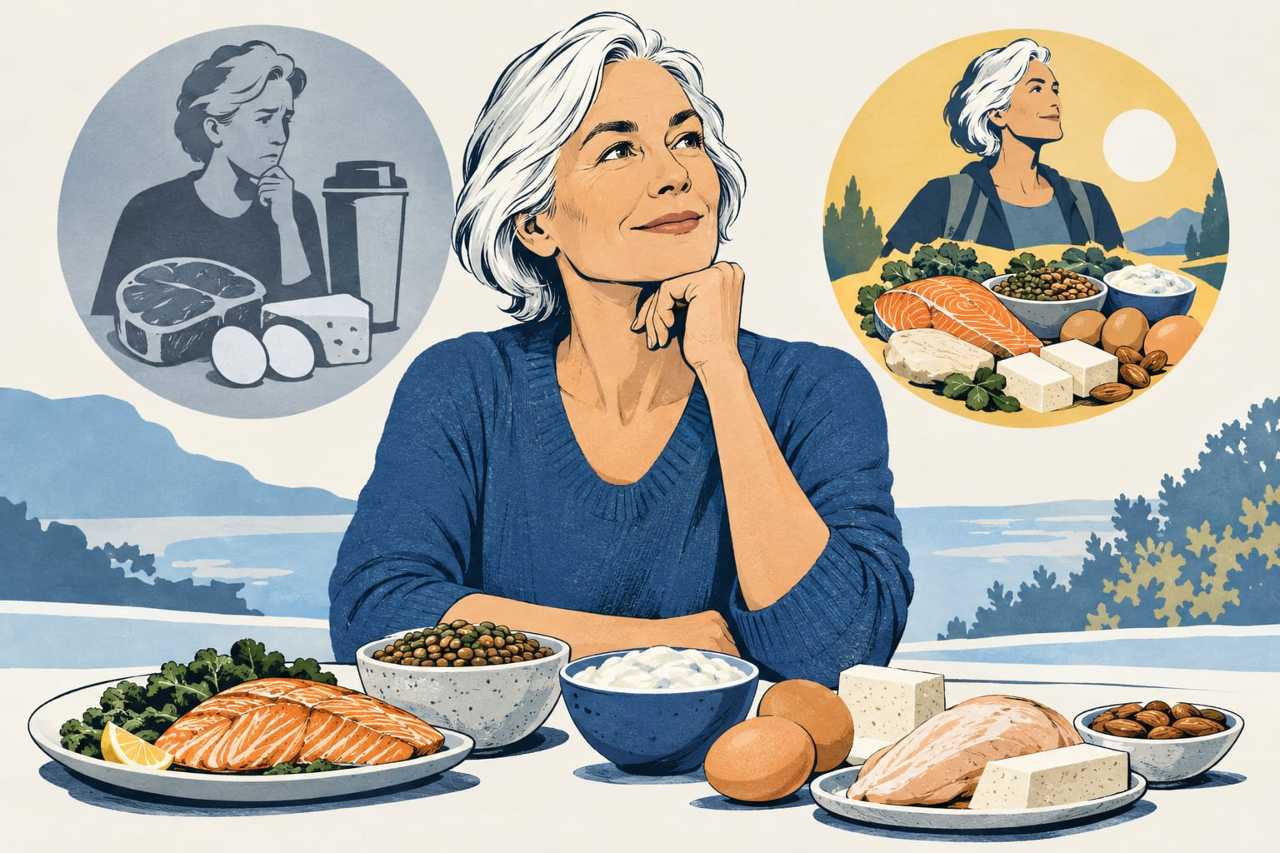
Here's a question I never thought about until I turned 60: am I eating enough protein?
For most of my life, protein was something I associated with bodybuilders and gym bros chugging shakes. Not something a guy hauling a backpack through airports needs to think about.
Turns out, I was wrong. And a new research review out of The Well News is making that case in a bigger way than I expected.
The Review That's Getting Attention
Researchers have been pulling together existing studies on protein intake and aging, trying to answer a simple question: does how much protein you eat change how well you age?
The short answer coming out of this review is yes. And the longer answer is more interesting than you'd think.
For decades, the standard recommendation for protein intake has been built around preventing deficiency, not around optimizing health. It's the bare minimum to keep you from falling apart, not the amount that helps you thrive. If you're just trying to avoid getting sick, that number might be fine. But if you're trying to stay strong, mobile and sharp well into your 70s, 80s and beyond? That's a different goal entirely.
Why This Matters More As You Age
Here's something most people don't realize until it smacks them in the face: your body gets worse at using protein as you get older.
It's called anabolic resistance. Basically, an older body needs more protein per meal to trigger the same muscle-building response that a younger body gets from less. So the amount that worked fine for you at 35 might not cut it at 65.
And muscle isn't just about looking good or lifting heavy things. Muscle mass is tied to balance, metabolism, immune function, and how well you bounce back from illness or injury. Lose too much of it, and simple things like climbing stairs, carrying groceries, or getting up off the floor become genuine challenges.
I've met plenty of people in their 70s and 80s while traveling who move like they're 50. I've also met people in their 50s who move like they're 90. The difference usually isn't luck. It's choices made over years, protein intake being one piece of that puzzle.
What Happens If You Actually Pay Attention?
I started paying more attention to my own protein intake a few years back. Not because a doctor scared me into it, but because I got curious. I wanted to know what happens if I actually track this instead of just assuming I'm fine.
Turns out, like a lot of people, I was eating less than I thought. A piece of toast and coffee for breakfast. A quick sandwich for lunch. By dinner, I was playing catch-up on a day's worth of protein in one meal, which research suggests isn't nearly as effective as spreading it out.
So I experimented. More protein earlier in the day. Eggs instead of just toast. A bit of yogurt or nuts as a snack instead of nothing. Nothing drastic, no shakes, no supplements I can't pronounce. Just small, deliberate adjustments.
Did I notice a difference? Honestly, yes. More energy through the afternoon. Less of that sluggish feeling after a long travel day.
Why This Matters If You Plan to Keep Moving
I didn't start traveling full-time until I was in my 60s, and I have no intention of slowing down because my body decided to quietly fall apart from something preventable.
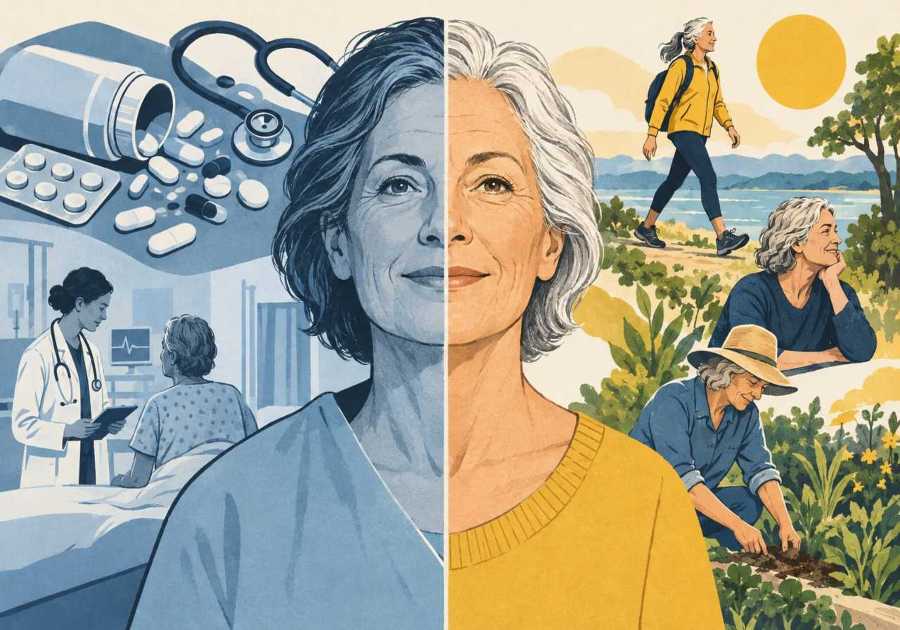
That's really what this research review points to. Aging isn't something that happens to you. A lot of it is something you influence, one decision at a time. What you eat. How you move. Whether you treat 70 like a finish line or just another mile marker.
Nobody's suggesting you need to overhaul your entire diet overnight. But maybe it's worth asking yourself the same question I asked myself: am I actually eating enough protein to support the life I want to keep living?
Because adventure doesn't come with an age limit. But it probably comes with a protein requirement nobody mentioned.
Source: The Well News
Still catching up? Start with Healthy Aging Isn't About Slowing Down. It's About Staying In the Game.