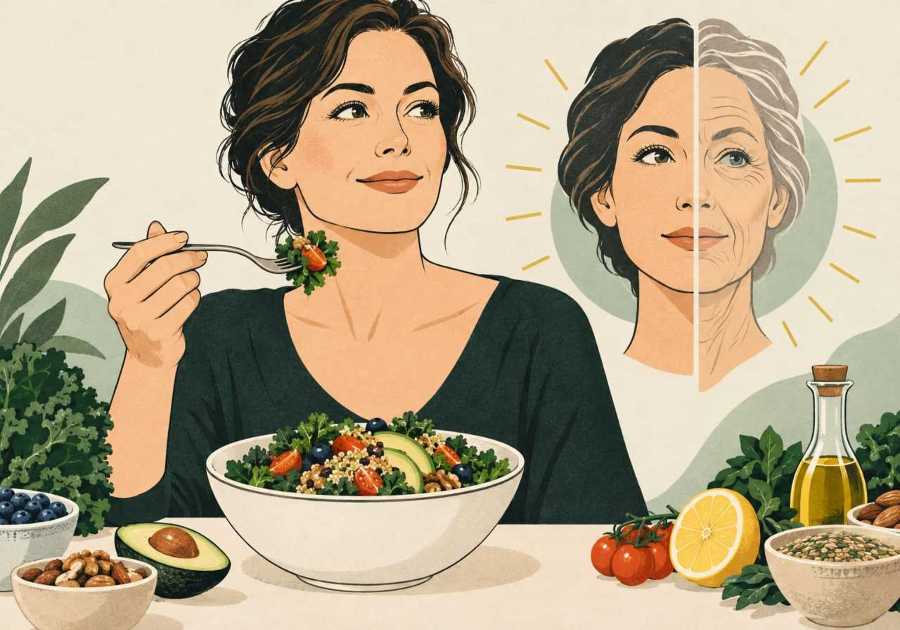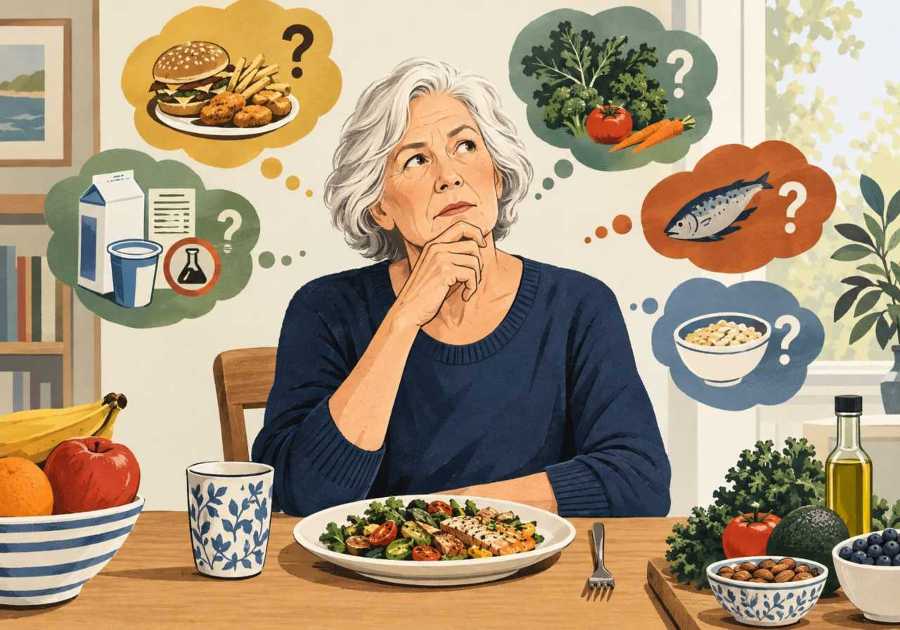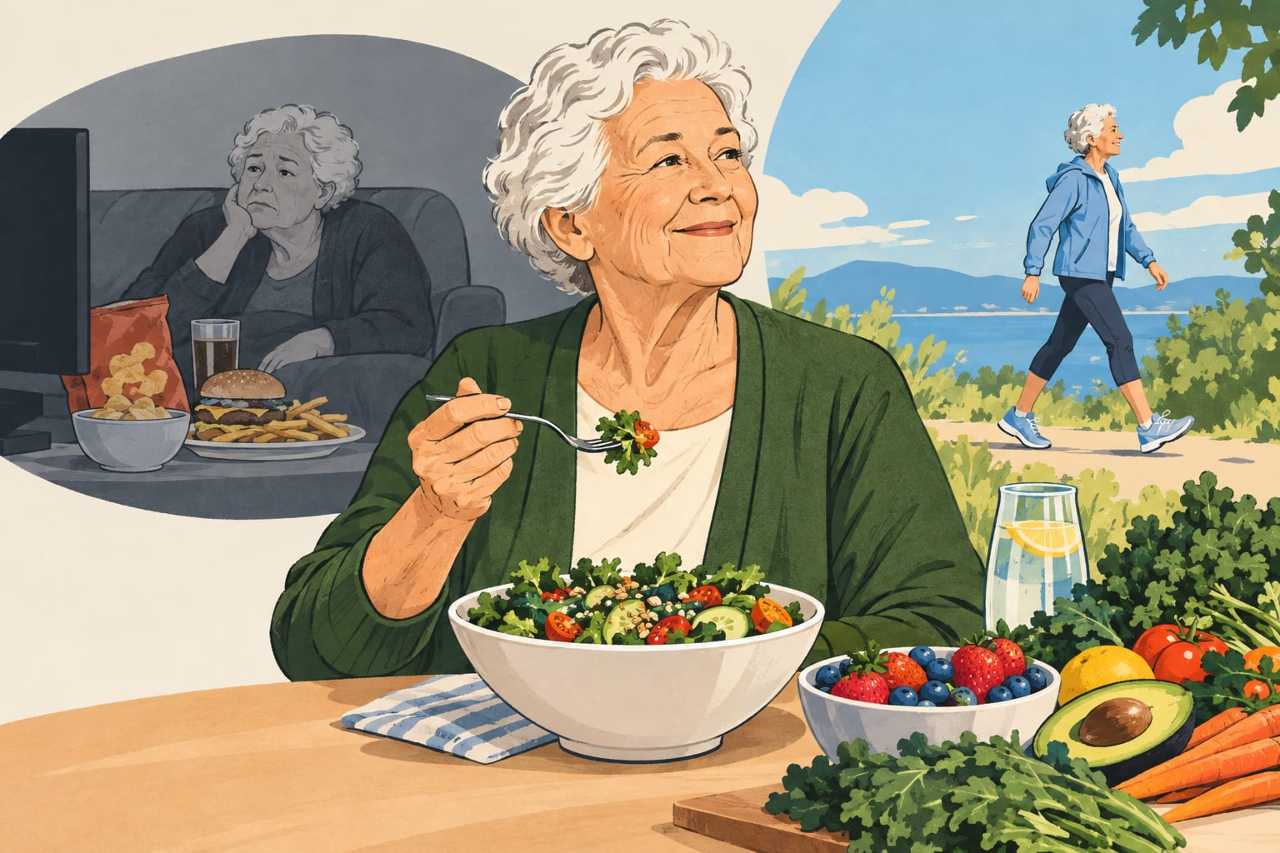
A geriatric dietitian in Israel keeps hearing the same question from her older patients: "Does it still matter now?"
They sit in her office, often dragged in by a daughter or sent by a doctor, bracing for bad news about bread. Many assume the damage is done. That after 40 or 50 years of eating a certain way, all that's left is managing the slide downhill.
I get why people think that. Most nutrition advice is aimed at the young — prevention, longevity, that whole game. Nobody's writing headlines for the 80-year-old who just wants to get up from a chair without help, or walk to the store, or play with their grandkids a little longer.
Turns out the body disagrees with that assumption.
Dr. Abigail Goshen and Prof. Yariv Gerber, researchers from Haifa University and Tel Aviv University, dug into a question nobody had really answered well: does diet quality in your 70s actually change your odds of becoming frail? They went back to older Israelis who'd taken part in a national nutrition survey more than a decade earlier. By the time they followed up, in a study published in 2023 in Mayo Clinic Proceedings, the average participant was 84.
The people who'd eaten the best had about a 40% lower risk of becoming frail — frailty meaning the combination of weaker strength, less energy, and slower walking that leads to falls, hospital stays, and losing your independence. That's not a small number. That's the difference between living on your own terms and not.
But here's the catch: that study tells you what good eating over decades can do. It doesn't tell you what happens if you start late. Which is really the question people are asking.
The answer to that one came out of Melbourne.
Researchers there ran a trial across 60 nursing homes with more than 7,000 residents, average age 86 — published in 2021 in the British Medical Journal. Half the homes added dairy to every menu: milk, yogurt, cheese, bumping daily servings from under two up to around three and a half. The other half changed nothing.
Two years later, fractures dropped by a third in the homes that added dairy. Hip fractures — the kind that often mark the end of someone's independence — fell by almost half. Falls dropped 11%, and that improvement showed up in just three months. These were people in their mid-80s, and their bodies still responded to a change that simple.
That's the part that gets me. We love to tell ourselves there's a cutoff point where it's "too late." Eighty-six says otherwise.
I think about this with my own life a lot. I'm closing in on 70, I've been traveling full-time since 2017, and I didn't get here by assuming my best years were behind me. If a nursing home resident can cut her hip fracture risk by adding a glass of milk, what excuse do the rest of us have for coasting?
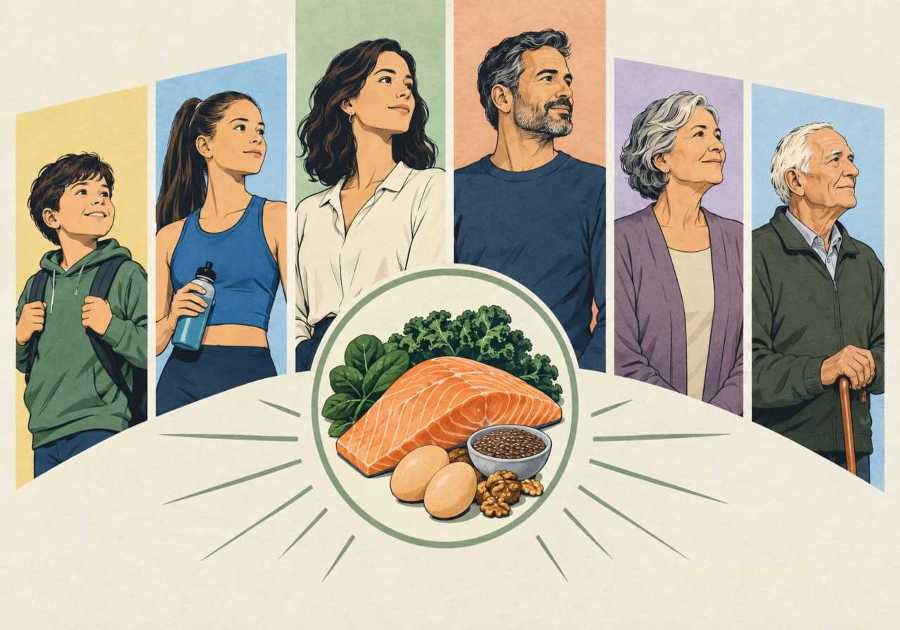
The dietitian's actual advice for her 75-plus patients is refreshingly unglamorous. Protein at every meal, not just lunch — muscle is what keeps you upright, and it gets harder to hold onto with age. Dairy covers both protein and calcium. Fish, eggs, chicken, legumes work too.
Vitamin D matters more than people realize — over 92% of Israelis 65 and older fall short of recommended levels, and the American Endocrine Society now says anyone 75 or older should just take a supplement, no blood test required.
Vegetables and legumes, daily, nothing fancy — lentil soup, hummus, a chopped salad. And she doesn't ask patients to overhaul everything at once. Add yogurt this week. Add soup in two weeks. Build one habit before stacking the next.
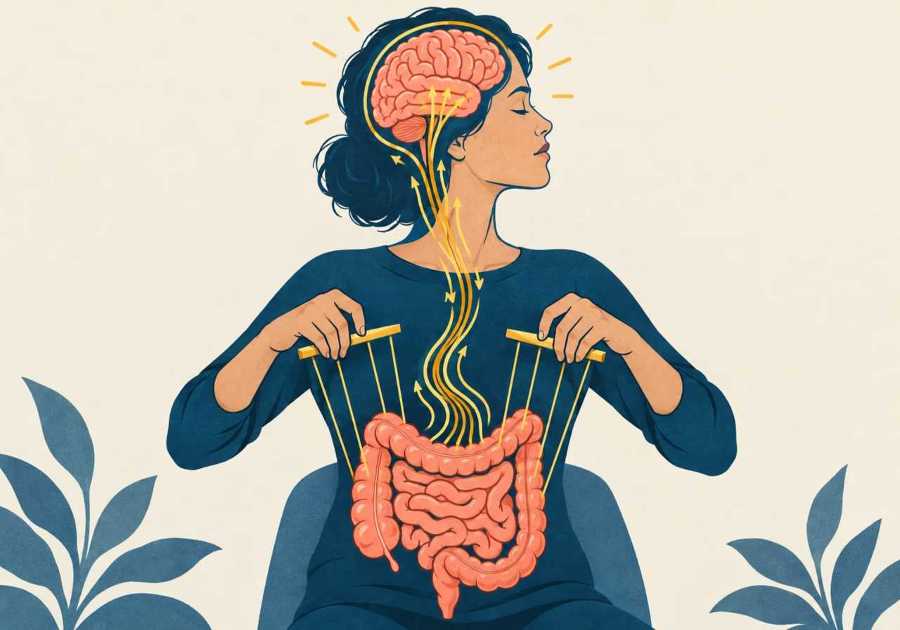
She also flags something people don't like admitting: constipation. Less eating, less drinking, less moving, plus common medications, all slow things down — and an uncomfortable gut makes you eat even less, which snowballs. Fiber, water within arm's reach, a short walk after meals. Small moves, real results.
The thread running through all of it is simple: your body is still listening, at 75, at 85, at 90. The habits aren't locked in. Neither is your story.
So what's one small thing you'd change starting tomorrow?
Source: The Jerusalem Post
Missed the last one? Can You Trick Your Body Into Thinking It's Fasting?