I was standing in a gas station in rural Montana last year, staring at a shelf of snack cakes with a shelf life longer than some of my friendships, when it hit me: I genuinely don't know what's in half of what people eat anymore.
That question followed me out of the gas station and straight into a pile of research on ultra-processed foods and brain aging. Turns out I'm not the only one asking it.
What even counts as "ultra-processed"?
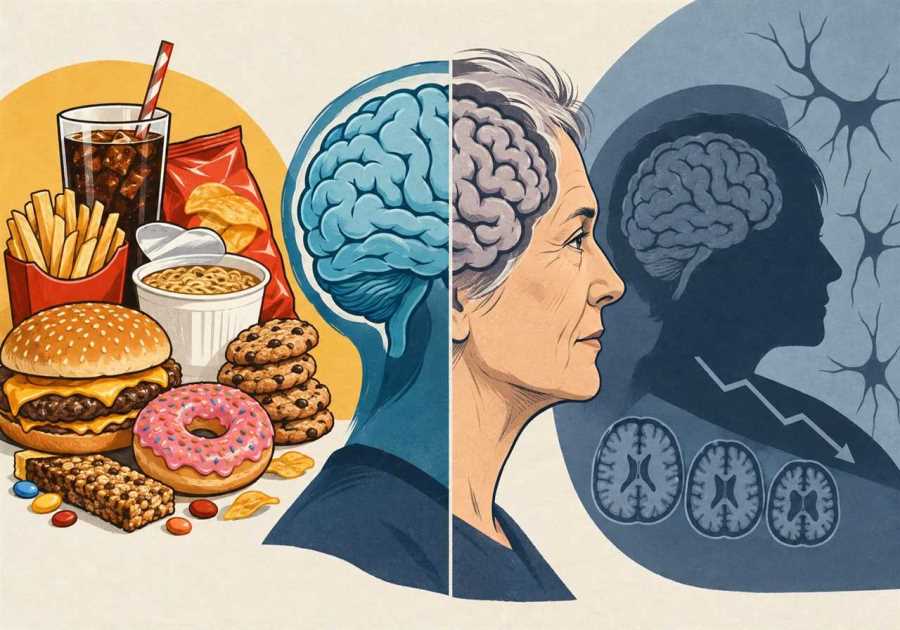
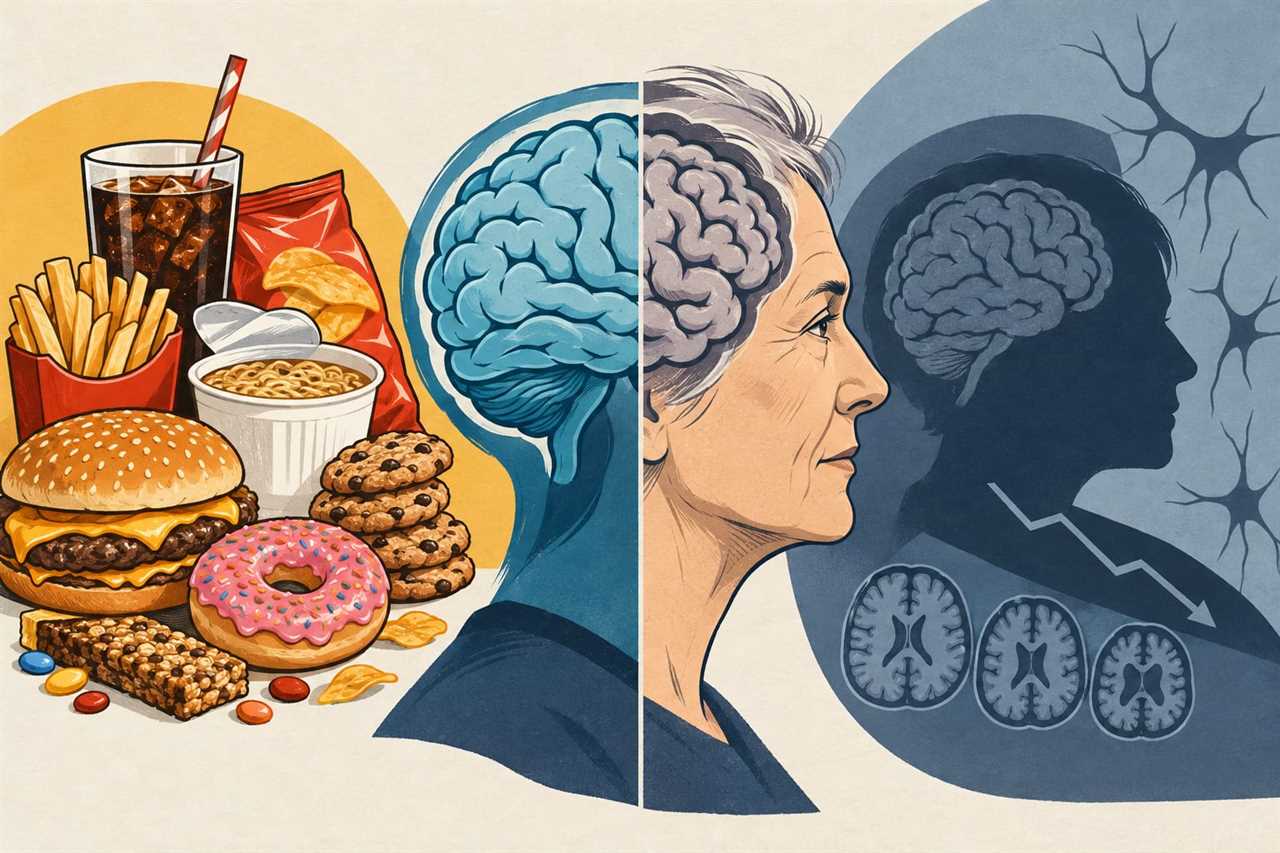
Here's where it gets interesting. We're not talking about a can of beans or a bag of frozen peas. Ultra-processed foods are the stuff built in a lab more than grown in a field — packaged snacks, sugary cereals, sodas, reconstituted chicken nuggets, frozen dinners loaded with additives, emulsifiers, and preservatives most of us can't pronounce.
The scary part? For a lot of people, these foods aren't the occasional treat. They're the bulk of the daily diet.
So the question researchers have been chasing is simple: if you eat this stuff for decades, what does it do to your brain as you get older?
Why the brain, specifically?
Your brain is hungry. It's a small organ with an outsized appetite for energy, and it's incredibly sensitive to inflammation, blood sugar swings, and the quality of fats circulating in your bloodstream. Ultra-processed foods tend to hit all three of those in the wrong direction — high in refined sugar, low in fiber, loaded with additives that some researchers believe disrupt the gut microbiome, which talks to the brain more than we ever realized.
That gut-brain connection is one of the more fascinating threads in aging research right now. Your gut bacteria produce compounds that influence inflammation throughout your body, including your brain. Feed your gut a steady diet of highly processed junk, and the conversation between gut and brain changes. Not for the better.
The part that should make you pay attention
This isn't just about memory lapses or feeling foggy after lunch. The concern researchers keep circling back to is cognitive decline — the kind that shows up as you move into your 60s, 70s, and beyond. Dementia. Reduced processing speed. Trouble with recall.
And here's the thing that gets me: brain aging isn't something that starts at 70. It starts decades earlier, quietly, based on choices you're making right now without thinking twice about them.
I'm closing in on 70 myself, and if there's one thing six years of full-time travel has taught me, it's that your brain is the one piece of gear you can't replace on the road. I don't care how good your knees are or how strong your back is — if your head isn't sharp, the adventure stops.
So what do you actually do with this?
You don't need to swear off every packaged food and become a kitchen purist. That's not realistic, and honestly, it's not necessary. What's worth doing is getting curious about your own plate the way I got curious about that gas station shelf.
Start asking: Is this something my grandmother would recognize as food? How many ingredients are in this, and can I pronounce them? Am I eating real, whole stuff most of the time, with processed food as the occasional exception rather than the daily default?
I've eaten in enough countries now to notice a pattern. The places where people seem to age the most vigorously — still hiking, still dancing, still arguing passionately about politics at 85 — tend to be places where food comes from a market, not a vending machine.
The bigger lesson
Here's what keeps me optimistic about all this: brain aging isn't fixed. It responds to what you do. Diet, movement, curiosity, new experiences — they all seem to matter, and none of them require you to be young to start.
I didn't quit eating convenience food entirely. I just started asking better questions about what's on my plate, the same way I ask better questions about where I'm headed next.
Maybe that's the real takeaway here. Your brain, like the rest of your life, isn't done changing just because you've gotten older. What you feed it — literally and otherwise — still matters. So what's on your plate tonight?
Source: Technology Networks
Read our previous article: There's a Gene That's Quietly Aging Your Muscles—And Exercise Can Switch It Off