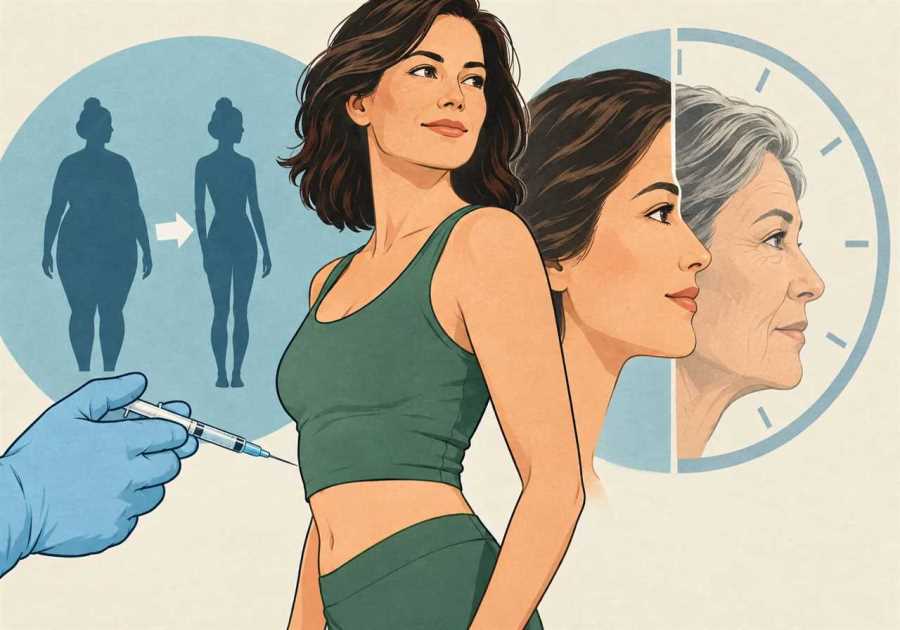
I've eaten some strange things chasing longevity theories around the world. Fermented shark in Iceland. A breakfast of eggs, rice, and whatever vegetable was in season from an Okinawan woman who claimed she was 94 and biking to market every day. You start to notice that the people who live the longest don't always eat the way the wellness blogs tell you to.
Now there's a new study out of China that's going to mess with a few assumptions.
Researchers tracked more than 5,000 people over 80 years old, comparing 1,459 who made it past 100 with 3,744 who were "only" in their 80s and 90s. The team came from Fudan University, the Chinese Center for Disease Control and Prevention, and Shanghai Jiao Tong University, and they pulled their data from something called the Chinese Longitudinal Healthy Longevity Survey.
What They Found
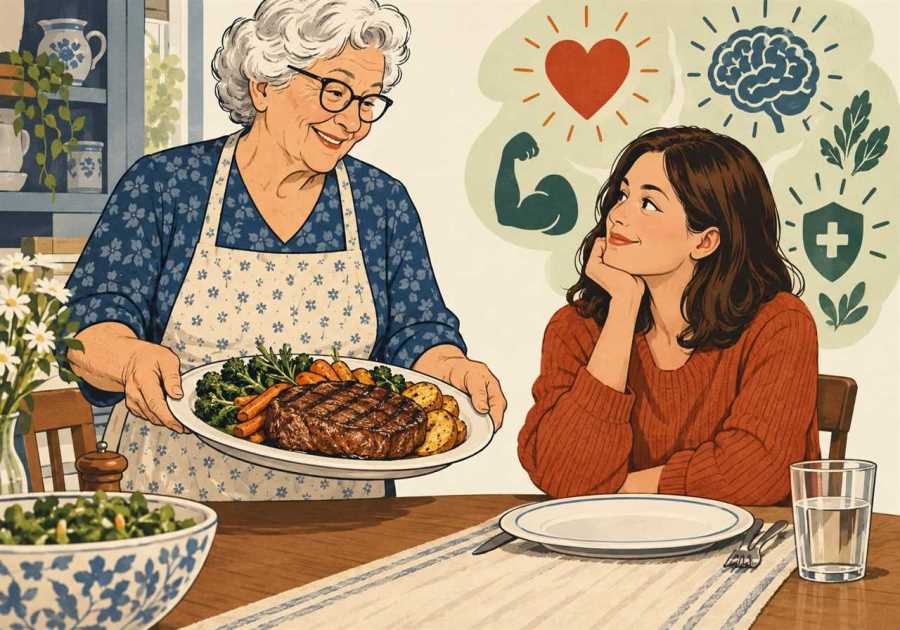
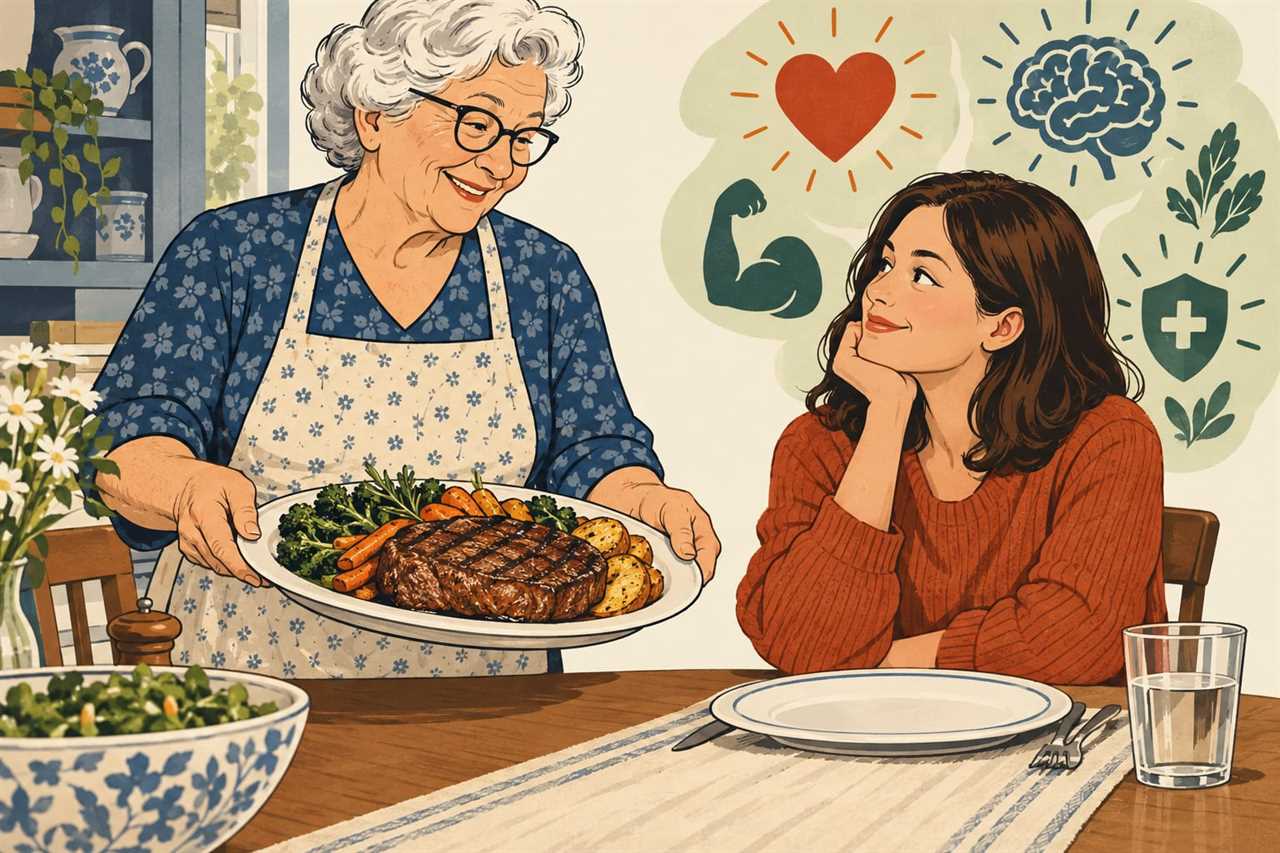
Here's the twist: women who ate meat were more likely to reach 100 than women who stuck to a vegetarian diet. For men, it made no difference either way.
But before you run out and order a steak, there's a catch. The meat advantage only showed up clearly in women who were underweight. In that group, eating meat daily was linked to a 44 percent higher chance of reaching 100 compared to going vegetarian. For women at a normal weight or who carried extra pounds, the diet type didn't seem to matter at all.
And if a vegetarian woman still ate fish, dairy, or eggs, her odds matched the meat-eaters. So this isn't really an argument for steak over salad. It's more specific than that.
Why would being underweight change the equation? The researchers think body mass index is doing some of the work here. There's a well-documented pattern called the "obesity paradox," where carrying a bit more weight actually seems protective once you get into your 80s and 90s. Thin and vegetarian, apparently, is a tougher combination to age well with.
Why I Find This Fascinating
I'm not a scientist. I'm a guy who's spent almost nine years living out of a suitcase, watching how people eat in dozens of countries, and asking a lot of "why" questions along the way. And this study is a good reminder that longevity science rarely gives you a clean answer.
The researchers themselves are careful about that. This only shows an association, not cause and effect. They didn't track how people's diets changed over the decades, just what they were eating in old age. So maybe some of these women switched to meat later in life for reasons tied to health, not the other way around. We don't know.
The Bigger Picture
Context matters here. In younger populations, plant-based diets and lower meat intake are consistently linked to lower rates of heart disease, stroke, diabetes, and obesity. Processed and red meat, over a lifetime, tends to correlate with worse outcomes. That part of the story hasn't changed.
But there's a separate study of more than 65,000 people showing vegetarians may face a higher fracture risk, likely from lower calcium and protein intake. And a 2026 review from the University of Wisconsin-Madison argues the opposite side of that coin, suggesting lower protein intake might actually support healthier aging. Nobody's fully agreeing with anybody here.
What does seem fairly solid: about 70 percent of your odds of reaching 90 come down to things you control. Sleep. Movement. What's on your plate.
So What Do You Do With This?
Honestly? Don't overhaul your diet based on one Chinese study, no matter how big the sample size. What I take from it is simpler. The rules change as you age. What worked for you at 40 might not be the right playbook at 85.
I'm closing in on 70 myself, and I've stopped assuming any single diet, routine, or rulebook has all the answers. I'd rather stay curious, keep asking what happens if I try something different, and adjust based on what my own body tells me.
That Okinawan woman on her bike? She wasn't following a study. She was just living, paying attention, and doing what worked for her.
Maybe that's the real finding here.
Source: www.mojkraj.hr
Still catching up? Start with Ultra-Processed Foods and the Aging Brain: What Does the Science Say?